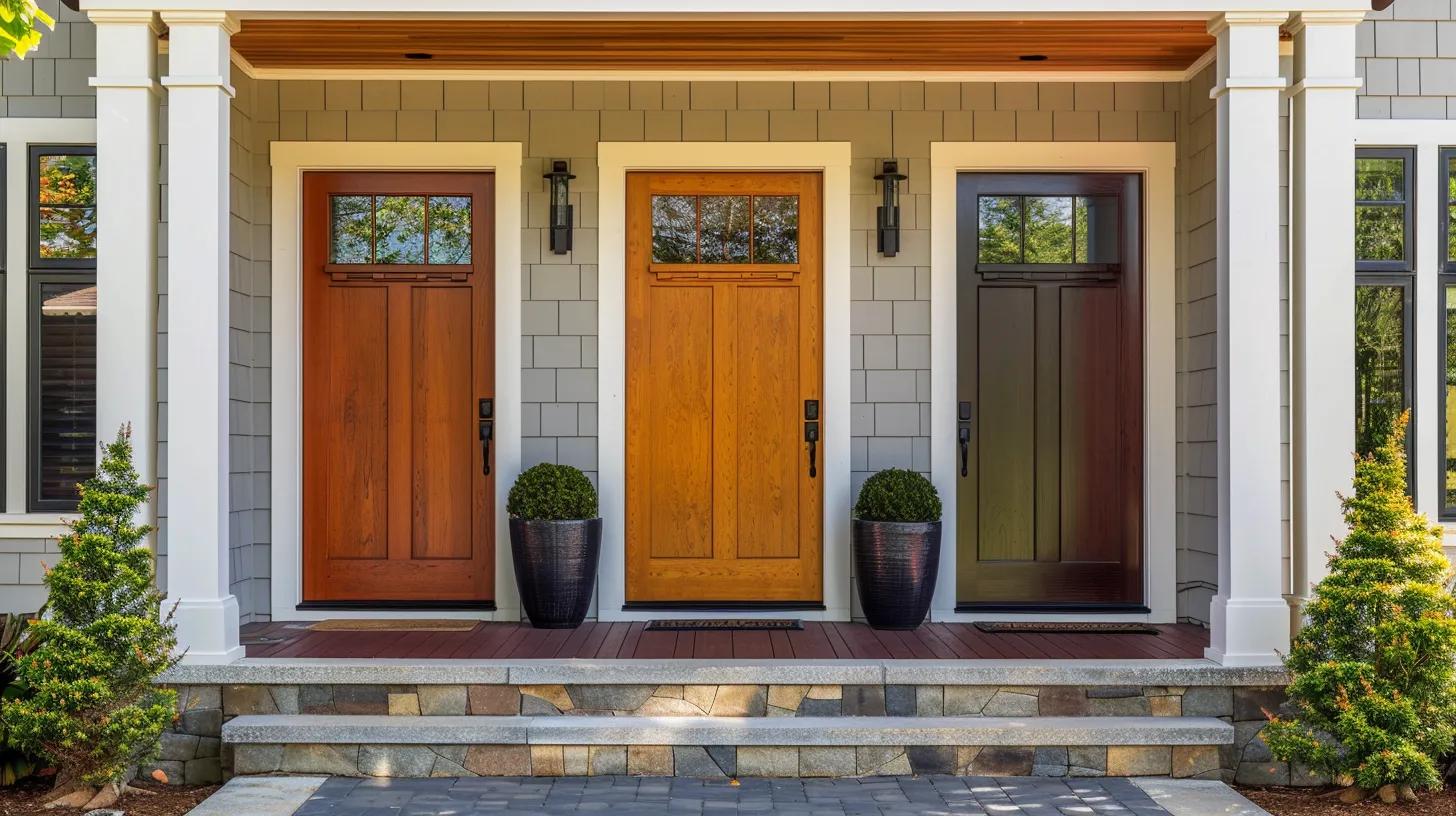
Comparing Exterior Door Styles: Which One Is Right for You?
Comparing Exterior Door Styles: How to Choose the Right Door Material and Design for Your Home
Selecting an exterior door is a significant decision for homeowners because it affects both a home’s appearance and its functionality. With multiple materials and styles available, understanding their differences enables an informed choice. This article reviews the primary exterior door materials, their benefits, and guidance for selecting an appropriate style. It examines wood, fiberglass, and steel doors, as well as energy efficiency considerations and installation requirements. After reading, you will have a clearer sense of which door material and design best meet your needs and improve curb appeal. For professional assistance, visit our contact page.
Key Takeaways
- Wood, fiberglass, and steel are the main exterior door materials, each with unique benefits and maintenance needs.
- Steel doors offer superior durability and security but require proper framing and occasional repainting.
- Fiberglass doors provide a wood-like appearance with excellent energy efficiency and low maintenance requirements.
- Wood doors deliver classic aesthetics and good insulation but need regular upkeep to prevent moisture damage.
- Energy-efficient doors feature insulation, weatherstripping, and energy ratings like U-factor and R-value for performance.
- Door styles such as modern, craftsman, and rustic complement different home architectures and enhance curb appeal.
- Professional installation ensures optimal door performance, longevity, warranty protection, and energy efficiency. Learn more about our residential exterior door replacement services.
- Regular maintenance, including inspections, cleaning, and protective coatings, extends door lifespan and improves security.
- Choosing energy-efficient exterior doors reduces heating and cooling costs while maintaining indoor comfort year-round.
What Are the Key Exterior Door Materials and Their Benefits?
Exterior doors are available in several materials, each with specific advantages. The three most common options are wood, fiberglass, and steel, and each addresses different priorities such as appearance, durability, and maintenance.
- Wood Doors: Known for their natural beauty and warmth, wood doors can be customized in various styles and finishes. They provide excellent insulation but require regular maintenance to prevent warping and damage from moisture.
- Fiberglass Doors: These doors mimic the appearance of wood while offering superior durability and energy efficiency. Fiberglass doors resist dents, scratches, and rust, making them a low-maintenance option that can withstand harsh weather conditions. For expert fiberglass door options, see our exterior door replacement services.
- Steel Doors: Steel doors are known for their strength and security. They are energy-efficient and can be insulated to improve thermal performance. While they may not offer the same aesthetic appeal as wood, they can be painted or finished to match your home’s design.
Although traditional wood requires regular maintenance, modern construction methods can materially increase its strength and service life.
Reinforced Wood Doors: Strength & Durability
Wood doors that are reinforced with epoxy and fiberglass are stronger and more durable than traditional wood doors.
Comparing energy use and environmental emissions of reinforced wood doors and steel doors, 2005
A clear understanding of these material characteristics enables homeowners to choose a door that matches their aesthetic preferences and functional requirements. For more about our company and expertise, visit our About Us page.
How Do Wood, Fiberglass, and Steel Doors Compare in Durability and Appearance?
Durability and appearance vary across wood, fiberglass, and steel doors; these factors should guide selection based on site conditions and design priorities.
- Durability: Steel doors are the most durable, providing excellent resistance to impact and weather. Fiberglass doors follow closely, offering a good balance of durability and aesthetic appeal. Wood doors, while beautiful, are more susceptible to damage from moisture and require regular maintenance to maintain their integrity.
- Appearance: Wood doors are often favored for their classic and elegant look, available in various styles and finishes. Fiberglass doors can be designed to resemble wood, providing a similar aesthetic without the maintenance. Steel doors, while less visually appealing, can be customized with paint and decorative elements to enhance their appearance.
Although fiberglass typically provides a good balance of properties, some analyses note potential durability limitations when compared with steel or reinforced wood.
Fiberglass vs. Steel Doors: Durability Insights
The one major downside to fiberglass doors is their lack of durability compared to steel and wood, and lower quality fiberglass doors can begin to deteriorate after only a few years.
Fiberglass or Steel Doors: Which Wins in Durability?
This comparison underscores the importance of weighing both durability and appearance when selecting an exterior door.
What Energy Efficiency Advantages Does Each Door Material Offer?
Energy efficiency directly affects heating and cooling expenses, and each material delivers particular advantages in thermal performance.
- Wood Doors: While wood has natural insulating properties, the energy efficiency of wood doors can vary based on the quality of the wood and the construction methods used. Proper sealing and insulation are essential to maximize their efficiency.
- Fiberglass Doors: Fiberglass doors are highly energy-efficient due to their excellent insulation properties. They often come with energy-efficient cores that help reduce heat transfer, making them a great choice for energy-conscious homeowners.
- Steel Doors: Steel doors can also be energy-efficient, especially when they are insulated. They typically have a higher R-value, which measures thermal resistance, making them effective at keeping homes warm in winter and cool in summer.
Selecting an energy-efficient door improves interior comfort and reduces long-term energy costs. For related home improvement, consider our residential windows replacement services.
Which Exterior Door Styles Best Complement Modern and Traditional Home Designs?
A door’s style should harmonize with the overall architectural character of the home.
- Modern Styles: For contemporary homes, sleek and minimalist designs work best. Fiberglass doors with clean lines and bold colors can enhance the modern aesthetic. Glass inserts can also add a touch of elegance while allowing natural light to enter.
- Traditional Styles: Classic homes benefit from traditional wood doors with intricate details and rich finishes. Craftsman-style doors, characterized by their sturdy construction and decorative elements, are particularly popular in traditional settings.
Choosing a door style that aligns with your home’s architecture delivers a cohesive exterior and strengthens curb appeal. For inspiration and professional installation, visit our exterior door replacement page.
What Are the Characteristics of Modern, Craftsman, and Rustic Door Styles?
Each door style presents distinct attributes that suit different design preferences and architectural contexts.
- Modern Doors: These doors often feature minimalist designs, smooth surfaces, and bold colors. They may incorporate materials like glass and metal for a sleek look.
- Craftsman Doors: Known for their handcrafted appearance, Craftsman doors typically include decorative glass panels and wood detailing. They emphasize natural materials and craftsmanship, making them ideal for traditional homes.
- Rustic Doors: Rustic doors often feature rough-hewn wood, distressed finishes, and wrought iron accents. They evoke a sense of warmth and charm, perfect for country or farmhouse-style homes.
Recognizing these characteristics helps homeowners select a door that reflects personal style and complements the home’s architecture.
How Can Front Door Design Ideas Enhance Your Home’s Curb Appeal?
The front door serves as a primary focal point; its design choices substantially influence curb appeal. Consider targeted design decisions to enhance that impact.
- Color Choices: Bold colors can make a statement, while neutral tones offer a classic look. Consider the overall color scheme of your home when selecting a door color.
- Hardware and Accessories: Unique door handles, knockers, and decorative elements can enhance the door’s appearance. Choose hardware that complements the door style and overall home design.
- Lighting: Adding stylish lighting fixtures around the door can create an inviting atmosphere. Consider wall sconces or pendant lights that match the door’s aesthetic.
When combined, these design elements create a welcoming entrance and improve the home’s overall visual appeal.
How Do Energy Efficient Exterior Doors Impact Home Comfort and Savings?
Energy-efficient exterior doors reduce heat transfer, help stabilize indoor temperatures, and improve year-round comfort.
- Lower Energy Bills: With improved insulation, energy-efficient doors reduce the workload on heating and cooling systems, leading to lower energy bills.
- Improved Comfort: By preventing drafts and maintaining consistent temperatures, these doors enhance overall comfort within the home.
Investing in energy-efficient exterior doors is a practical decision for homeowners seeking improved comfort and measurable energy savings.
What Features Make an Exterior Door Energy Efficient?
Several design and component features determine a door’s energy performance:
- Insulation: High-quality insulation materials within the door can significantly reduce heat transfer, improving energy efficiency.
- Weatherstripping: Proper weatherstripping around the door frame prevents drafts and air leaks, enhancing insulation.
- Glass Options: Double or triple-pane glass with low-E coatings can improve thermal performance while allowing natural light into the home.
These features are essential for homeowners who aim to maximize thermal efficiency and reduce energy consumption.
How to Evaluate Energy Ratings When Choosing Exterior Doors?
Understanding energy ratings is essential when evaluating exterior doors. Key metrics provide a consistent basis for comparison.
- U-Factor: This rating measures the rate of heat transfer through the door. A lower U-factor indicates better insulation and energy efficiency.
- R-Value: This value measures the door’s resistance to heat flow. Higher R-values indicate better insulating properties.
- ENERGY STAR Certification: Look for doors that meet ENERGY STAR standards, which indicate superior energy efficiency.
Assessing these ratings enables homeowners to make informed selections based on quantifiable energy performance.
What Are the Installation Considerations and Costs for Different Exterior Door Styles?
Installation is a critical consideration when selecting an exterior door. Proper installation affects performance, longevity, and cost.
- Door Type: Different materials may require specific installation techniques. For example, steel doors may need additional framing for support.
- Professional Installation: Hiring professionals ensures proper installation, which is crucial for performance and longevity. Learn more about our professional exterior door installation.
- Cost Factors: Installation costs can vary based on the door type, complexity of the installation, and local labor rates.
Awareness of these installation factors helps homeowners plan and budget effectively for their door projects.
How Does Professional Door Installation Ensure Longevity and Performance?
Professional installation is fundamental to achieving long service life and reliable performance from exterior doors.
- Expertise: Professionals have the knowledge and experience to handle various door types and installation challenges, ensuring a proper fit.
- Warranty Protection: Many manufacturers require professional installation to maintain warranty coverage, protecting your investment.
- Optimal Performance: Properly installed doors function better, providing enhanced energy efficiency and security.
Engaging professional installers is a prudent choice for homeowners who wish to maximise the benefits of their new exterior doors. Contact us today via our contact page to schedule a consultation.
What Are Typical Installation Costs in Beverly MA and Surrounding Areas?
In Beverly, MA, and surrounding areas, installation costs for exterior doors vary according to several factors, including door material, installation complexity, and local labour rates.
- Type of Door: Different materials and styles have varying installation costs. For example, fiberglass doors may have different labor requirements compared to wood or steel doors.
- Complexity of Installation: If structural modifications are needed, costs may increase.
- Local Market Rates: Labor costs can vary by region, so it’s essential to get quotes from local contractors.
Homeowners should obtain multiple quotes and budget accordingly to secure competitive pricing.
How Should You Maintain and Care for Various Exterior Door Materials?
Proper maintenance extends the service life of exterior doors. Follow material-specific care guidelines to preserve performance and appearance.
- Wood Doors: Regularly inspect for signs of wear and apply protective finishes to prevent moisture damage. Clean with mild soap and water to maintain appearance.
- Fiberglass Doors: Clean with a soft cloth and mild detergent. Inspect seals and weatherstripping for wear and replace as needed.
- Steel Doors: Check for rust and repaint as necessary. Ensure seals are intact to maintain energy efficiency.
Routine maintenance ensures that exterior doors remain functional and visually appealing over time.
What Maintenance Practices Extend the Life of Wood, Fiberglass, and Steel Doors?
To extend the service life of exterior doors, adopt the following maintenance practices consistently.
- Regular Inspections: Check for signs of damage, wear, or deterioration. Addressing issues early can prevent costly repairs.
- Cleaning: Keep doors clean to maintain their appearance and prevent buildup that can lead to damage.
- Protective Coatings: For wood doors, applying protective finishes can prevent moisture damage. Steel doors may require repainting to prevent rust.
Applying these practices helps maintain doors in good condition, improving both longevity and operational performance.
How Does Proper Maintenance Affect Door Energy Efficiency and Security?
Consistent maintenance materially affects both energy performance and security of exterior doors.
- Energy Efficiency: Well-maintained doors with intact seals and insulation perform better, reducing energy costs and improving comfort.
- Security: Regularly checking locks, hinges, and frames ensures that doors remain secure against potential intruders.
Regular maintenance increases service life and contributes to a safer, more energy-efficient home.
For more information or to contact us, visit our website.
Frequently Asked Questions
What factors should I consider when choosing the color of my exterior door?
When choosing an exterior door color, evaluate the home’s overall color palette, including siding, trim, and roof. Bold colors create focal points; neutral tones provide a classic appearance. Match color choices to the architectural style—modern homes may suit vibrant hues, while traditional homes often favor more subdued tones. Also consider local climate and any effect on heat absorption and energy performance.
How can I improve the security of my exterior door?
Improve door security by specifying a high-quality deadbolt and reinforcing the frame and hinges with longer screws. Consider a door viewer or a smart lock for monitoring and convenience. Select durable door materials, such as steel or reinforced wood, and supplement with exterior security measures like cameras or motion-activated lighting.
What are the benefits of choosing ENERGY STAR certified doors?
ENERGY STAR certified doors meet defined energy-performance criteria, which typically result in lower heating and cooling costs and reduced drafts. They help maintain consistent indoor temperatures and can reduce a home’s carbon footprint. In some cases, ENERGY STAR products may also qualify for rebates or incentives from utilities or energy programs.
How often should I inspect and maintain my exterior doors?
Inspect exterior doors at least twice annually, preferably in spring and fall. During inspections, check for cracks, warping, or rust, and clean doors regularly to prevent dirt accumulation. Apply protective finishes to wood as needed, and inspect fiberglass and steel doors for scratches or corrosion. Regular maintenance sustains energy performance and security.
What are the common signs that my exterior door needs to be replaced?
Signs that replacement may be necessary include visible damage such as cracks, warping, or rust, persistent drafts, and rising energy costs that indicate poor sealing. Difficulty operating the door or failing lock mechanisms also signal significant wear. Regular assessments help identify issues before they require full replacement.
Can I install an exterior door myself, or should I hire a professional?
Although some homeowners perform door installation, professional installation is recommended to ensure correct alignment, sealing, and insulation. Many manufacturers require professional installation to maintain warranty coverage. If you lack experience or the necessary tools, hiring a qualified installer is often more cost-effective over the long term. For professional installation services, see our exterior door replacement page.
Conclusion
Selecting the right exterior door can materially enhance a home’s appearance, energy performance, and security. By understanding the advantages of wood, fiberglass, and steel doors, you can choose a solution that aligns with both style and functional requirements. Explore our range of premium doors to identify the best option for your home, and consult with experts for professional guidance and installation. Contact us anytime through our contact page.