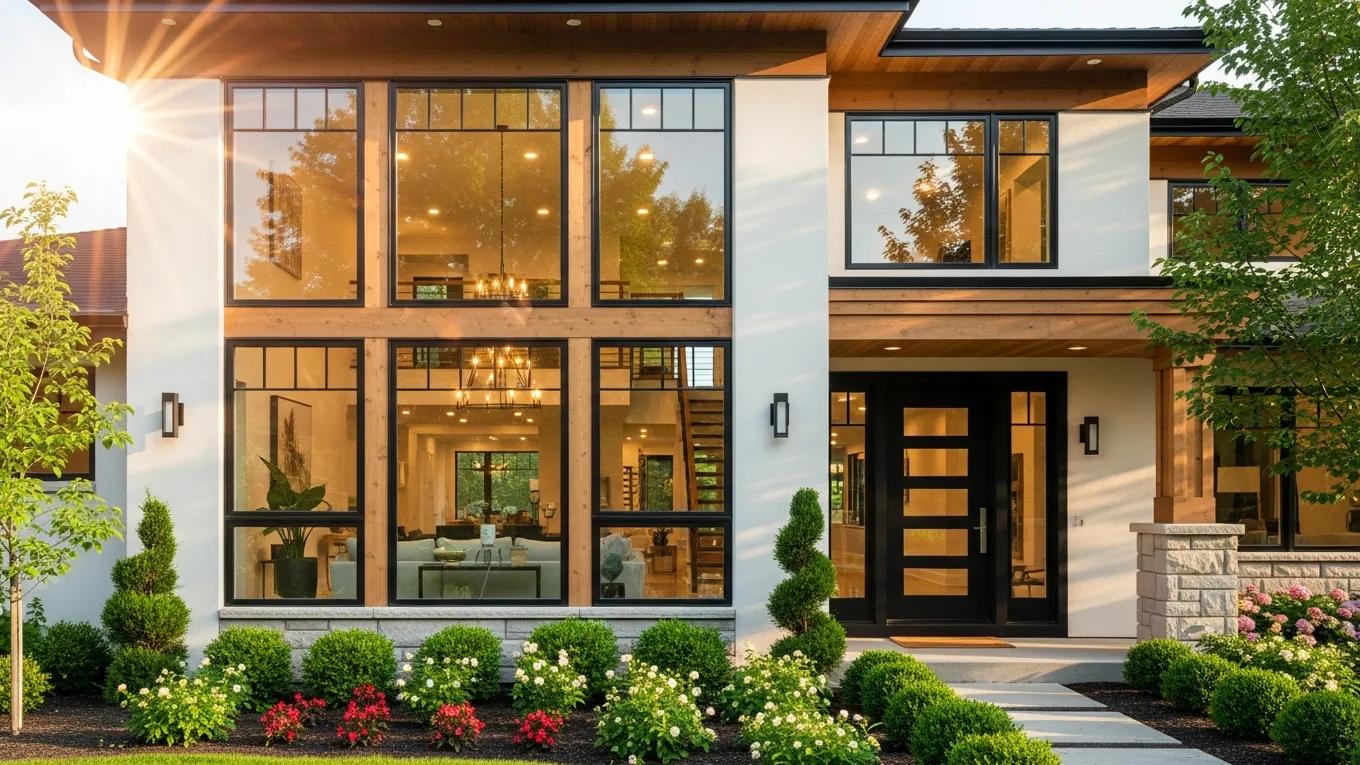
Are Our Window and Door Installations Cost-Effective? Discover Energy Savings for Your Budget
By Reed Rappoli, First Light Windows & Doors
Homeowners seeking improved comfort and lower utility bills often consider energy-efficient windows and doors. These products reduce heat transfer and air leakage, which can produce measurable savings over time. This article examines the cost-effectiveness of such installations, explains how the products operate, and summarises the expected impact on heating and cooling expenses. It also addresses the role of professional installation, available financing, and government incentives that can improve affordability.
Key Takeaways
- Energy-efficient windows and doors reduce heating and cooling costs by improving insulation and minimizing air leakage.
- Key features include Low-E coatings, multi-pane designs, and insulated frames that enhance thermal performance.
- Homeowners can save up to 25-30% on energy bills by installing energy-efficient windows and doors.
- Energy Star certified products offer superior efficiency and provide a strong return on investment.
- Professional installation is essential to prevent air leaks and maximize energy savings and product longevity.
- Financing options and government incentives make energy-efficient upgrades more affordable for homeowners.
- Understanding energy ratings like U-Value and SHGC helps homeowners select the most efficient products.
- Local factors such as climate and energy costs in Beverly, MA, influence savings and return on investment.
- Personalized service and reputable brands improve installation quality and overall energy efficiency benefits.
How Do Energy Efficient Windows and Doors Reduce Home Energy Costs?
Energy-efficient windows and doors reduce energy consumption by improving the building envelope. Improved glazing, insulated frames and precise sealing limit heat transfer and air infiltration. These measures reduce the demand on heating and cooling systems and, over time, lower utility expenses. The initial installation cost is commonly offset by reduced energy bills and the longer service life of quality products. In addition, lower energy consumption contributes to reduced greenhouse gas emissions.
For homeowners evaluating options, First Light Windows and Doors provides specialised installations designed to optimise thermal performance and long-term savings. Their experience helps match product selection to project requirements.
What Are the Key Features of Energy Efficient Windows and Doors?
Energy-efficient windows and doors incorporate specific features to improve thermal performance:
- Low-E Coatings: Thin metallic coatings that reflect infrared heat while admitting visible light, helping to stabilise indoor temperatures.
- Multi-Pane Designs: Double- or triple-pane assemblies reduce conductive heat transfer compared with single-pane glazing.
- Insulated Frames: Frame materials such as vinyl or fiberglass, and internal insulation, limit thermal bridging and improve overall R‑value.
These components operate together to reduce heat gain and loss, maintaining comfort throughout the year.
How Much Can Homeowners Save on Heating and Cooling Bills?
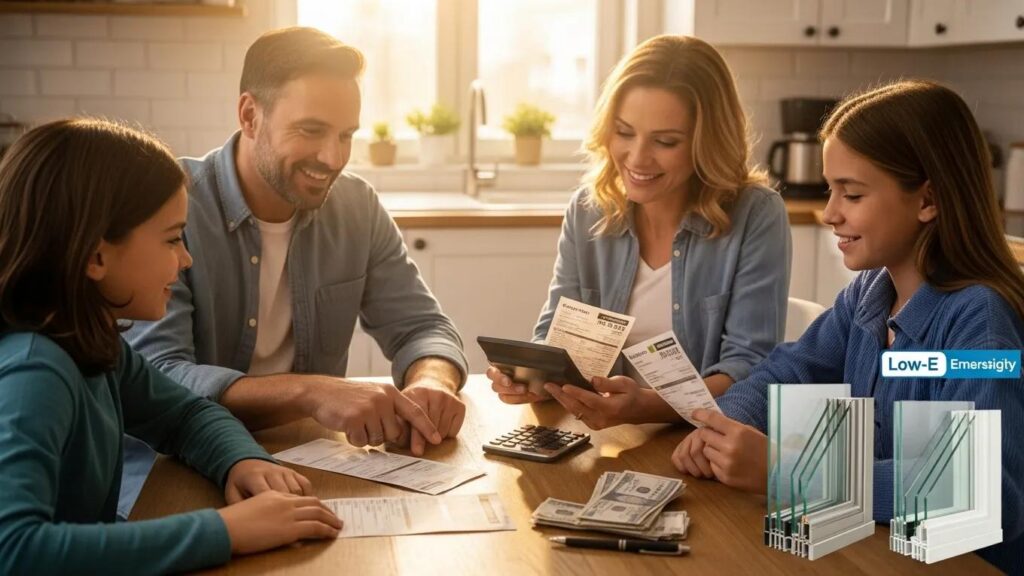
Estimates indicate that energy-efficient windows and doors can reduce heating and cooling expenses by as much as 25–30%, depending on product selection and site conditions. Actual savings depend on factors such as the existing envelope performance, local climate and energy prices. Over multiple years, these reductions accumulate and can substantiate the initial expenditure.
Which Energy Star Certified Products Offer the Best Return on Investment?
Energy Star certified products are endorsed for meeting established efficiency criteria. Preferred options for homeowners include:
- Double-Glazed Windows: Provide effective insulation and are commonly eligible for rebates.
- Triple-Pane Doors: Deliver enhanced thermal resistance and reduced conductive loss.
- ENERGY STAR Products: Comply with EPA guidelines that promote sustained energy savings.
Selecting certified products supports comfort and typically improves the payback profile through lower energy consumption and available incentives.
How Do Energy Ratings Like U-Value and SHGC Impact Savings?
Energy ratings offer objective measures of performance. The U‑Value indicates the rate of heat transfer; lower U‑Values denote better insulation. The Solar Heat Gain Coefficient (SHGC) quantifies solar radiation admitted through glazing; lower SHGC values reduce cooling demand in warm climates. Evaluating these ratings helps match product characteristics to local climatic needs and maximises potential savings.
Energy Star Windows: U-Factor, SHGC, and Energy Savings
High-performance windows that meet specified energy-efficiency criteria qualify under the program. The ENERGY STAR Tax Credit program establishes U-factor and Solar Heat Gain Coefficient (SHGC) standards for windows across four climate zones. Research indicates that buildings with well-designed and constructed fenestration systems can reduce heating, cooling and lighting demands during operation.
Energy Star windows’ performance and orientation, CM Clevenger, 2015
What Are the Benefits of Choosing Mathews Brothers and Therma-Tru Products?
Selecting established manufacturers such as Mathews Brothers and Therma‑Tru delivers predictable performance and documented specifications. These brands offer engineered solutions designed to meet energy-efficiency targets and building-code requirements.
- Energy Savings: Both brands produce products that reduce heat transfer and lower utility consumption.
- Durability: Manufactured components are designed to withstand typical weather exposures and deliver extended service life.
- Cost-Effectiveness: Higher-quality products can reduce repair and replacement costs over time.
For homeowners seeking reliable energy performance, these manufacturers represent a practical choice that aligns product quality with long-term value.
How Does Professional Installation Affect Energy Savings and Cost-Effectiveness?
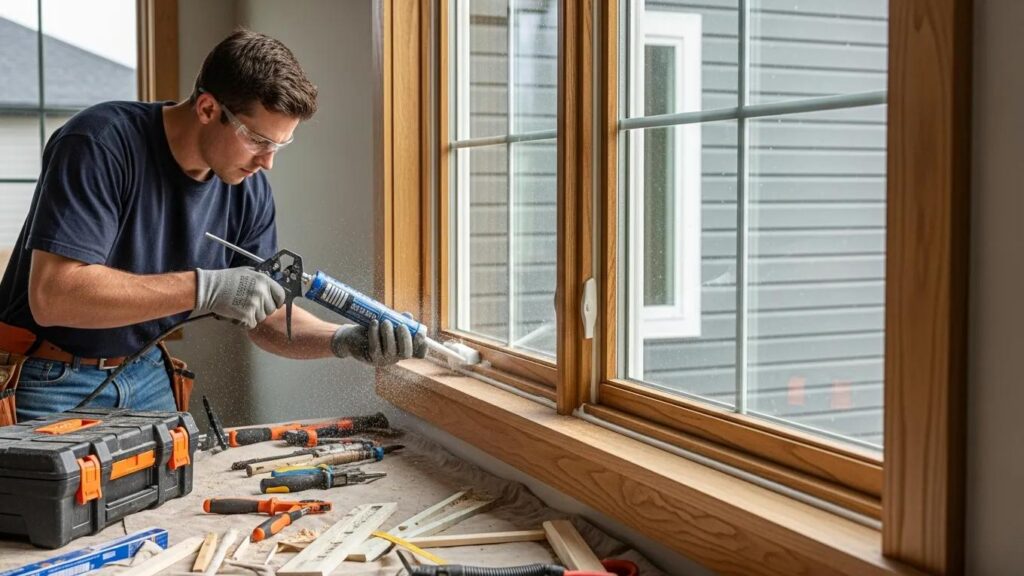
Professional installation is essential to ensure designed performance is realised on site. Correct fitting, sealing and insulation prevent air leakage and thermal bridging. Installations completed by qualified teams also typically include workmanship warranties and quality checks, which protect the homeowner’s investment and maintain expected energy savings.
Why Is Installation Quality Critical for Maximizing Energy Efficiency?
Installation quality determines the operational effectiveness of windows and doors. Inadequate installation can produce air leaks, condensation and reduced thermal performance. Important considerations include:
- Sealing and Insulation: Accurate sealing prevents unwanted air movement and preserves conditioned air.
- Material Performance: Components perform according to specification when installed per manufacturer guidelines.
- Long-Term Value: Correct installation extends product service life and sustains energy benefits.
Allocating resources to professional installation is a practical measure to secure projected energy savings and product longevity.
What Are the Steps in First Light Windows and Doors’ Installation Process?
- Initial Consultation: Understanding the homeowner’s needs and preferences.
- Removal of Existing Units: Safely removing old windows and doors to prepare for new installations.
- Final Inspection and Cleanup: Ensuring everything is installed correctly and leaving the site clean.
The company follows a defined process that includes consultation, removal, installation and final inspection to ensure compliance with specifications and client expectations.
What Financing Options and Incentives Are Available for Energy Efficient Upgrades?
Homeowners can access several financial mechanisms to support upgrades, including:
- Low-Interest Loans: Credit products tailored to home improvements.
- Rebates and Tax Credits: Government programmes that reduce net project cost.
- Flexible Payment Plans: Vendor-provided options to spread payments over time.
Applying these options can materially reduce upfront expenditure and improve project affordability.
Which Government Rebates and Programs Support Window and Door Replacement?
Various government and utility programmes offer financial support for energy-efficiency measures. Typical examples include federal tax credits, state-specific rebate schemes and local utility incentives aimed at reducing energy consumption. These programmes can offset a portion of the replacement cost and improve the investment return.
Evaluating Cost-Effectiveness of Energy Efficiency Programs for Window Installation
This paper evaluates a regional energy-efficiency programme implemented in two départements of France. Électricité de France (EDF) provided refurbishment advice and financial incentives to residential end-users and offered training and certification to local installation contractors and building firms. Measures analysed include efficient space-heating equipment (condensing boilers, heat pumps and wood stoves or boilers), solar water heating systems and the installation of double-glazed windows. The study uses billing analysis from a participant survey to calculate the energy savings attributed to the programme.
Cost-effectiveness of energy efficiency programmes—evaluating the impacts of a regional programme in
France, D Osso, 2012
How Can Financing Plans Make Upgrades More Affordable?
Financing plans reduce the initial cost barrier by distributing payments over a defined term. The principal advantages are lower upfront expenditure, adaptable repayment schedules and the ability to select higher-quality products that improve long-term outcomes. Properly structured financing supports energy upgrades without undue strain on household finances.
How Can Homeowners Calculate Cost Savings and Payback Periods for Window and Door Replacements?
Calculating savings and payback requires three steps:
- Initial Cost Calculation: Determine the total project cost, including materials and labour.
- Energy Savings Estimation: Estimate annual energy bill reductions using local rates and expected performance improvements.
- Payback Period Calculation: Divide the initial cost by the estimated annual savings to determine the payback period.
Following this method provides a quantitative basis to assess the financial viability of upgrades.
What Tools and Methods Estimate Energy Savings Accurately?
Accurate estimation relies on professional assessments and validated tools. Options include comprehensive energy audits conducted by certified auditors, online calculators that model energy use with specific inputs, and resources provided by local utilities. Combining these methods produces a reliable projection of potential savings.
How Do Local Factors in Beverly MA Influence Savings and ROI?
Local conditions in Beverly, MA affect projected savings and return on investment. Important factors are the regional climate, which dictates heating and cooling demands, local energy prices that determine cost savings, and prevailing property values that influence resale premiums for energy-efficient homes. Accounting for these variables yields a more accurate financial assessment.
Why Choose First Light Windows and Doors for Energy Efficient Installation in Beverly MA?
First Light Windows and Doors offers local expertise aligned with area-specific requirements. Their approach emphasises quality installations and customer satisfaction. Past client feedback indicates consistent performance and professional service, making them a reliable option for homeowners pursuing energy-efficient upgrades.
What Customer Testimonials Demonstrate Proven Energy Savings?
Customer testimonials frequently report measurable reductions in energy consumption following upgrades. These accounts highlight lower monthly bills and improved thermal comfort, reinforcing the practical benefits of combining quality products with professional installation.
How Does Personalized Service Enhance Installation Value?
Personalised service improves outcomes by aligning product selection and installation methods with the homeowner’s specific conditions. Key elements include tailored consultations, transparent communication throughout the project, and bespoke solutions that address unique building characteristics. This client-centred approach increases satisfaction and the likelihood of achieving projected energy savings.
Frequently Asked Questions
What are the long-term benefits of investing in energy-efficient windows and doors?
Long-term benefits include improved thermal comfort due to reduced drafts and better insulation, lower ongoing energy costs and potential increases in property value. Over time, cumulative energy savings can offset the initial investment, resulting in a positive return. Many energy-efficient products also include manufacturer warranties that support long-term reliability and performance.
How do energy-efficient installations contribute to environmental sustainability?
Energy-efficient windows and doors reduce the energy required for heating and cooling, which lowers overall demand for energy production. When that energy is generated from fossil fuels, reduced demand translates directly into lower greenhouse gas emissions. Therefore, these installations contribute to a reduction in household carbon footprints and support broader sustainability objectives.
What maintenance is required for energy-efficient windows and doors?
Maintenance is straightforward and focuses on preserving seals and cleanliness. Regular cleaning of glass and frames prevents debris buildup. Periodic inspection of seals and weatherstripping identifies wear that could cause air leakage. Condensation between panes may indicate seal failure and should be assessed by a professional. Minimal, timely maintenance preserves performance and extends service life.
Are there specific energy-efficient products recommended for different climates?
Product selection should reflect local climate conditions. In colder climates, choose glazing and frames with lower U‑Values to reduce heat loss. In warmer climates, select products with lower SHGC to limit solar heat gain and reduce cooling loads. Matching product specifications to climatic requirements optimises year-round performance and savings.
How can homeowners find reputable contractors for installation?
Begin by requesting recommendations from trusted contacts and reviewing online ratings. Verify contractor credentials, including licences and insurance, and obtain multiple written quotes. Request references and review prior project examples. These steps reduce risk and help ensure the contractor has the required experience for energy-efficient installations.
What are the common misconceptions about energy-efficient windows and doors?
Common misconceptions include the belief that such products are prohibitively expensive or offer limited benefit. While upfront costs can be higher than standard options, the long-term energy savings and reduced maintenance often justify the investment. Another misconception is that all windows and doors perform similarly; however, features like Low‑E coatings and multi-pane assemblies materially affect performance.
Conclusion
Energy-efficient windows and doors deliver measurable improvements in comfort and energy costs when selected and installed correctly. Understanding product features, installation quality and available financial incentives enables homeowners to make informed, cost-effective decisions. To evaluate options for your property, contact us to arrange a personalised consultation and a detailed cost‑benefit assessment.