Fiberglass vs. Steel Doors: Evaluating Insulating Properties for Your Home
Fiberglass vs. Steel Doors: Which Insulates Better for an Energy-Smart Home?
Choosing the right door material makes a real difference to your home’s comfort and energy bills. Fiberglass and steel doors each bring different insulating qualities that affect heat loss, draft control, and long‑term costs. This article walks through thermal resistance, typical R-values, and the practical pros and cons of each material — plus why professional installation matters. By the end you’ll be better able to pick the door that fits your priorities.
Key Takeaways
- Fiberglass doors often deliver stronger insulation, with R-values commonly between 5 and 7, improving overall energy efficiency.
- Steel doors usually have moderate insulation, with R-values around 2 to 5, which can balance upfront cost and savings.
- Both door types use insulated cores to slow heat transfer and boost indoor comfort.
- Fiberglass resists warping, cracking, and fading, so it stays looking and performing well with minimal upkeep.
- Steel doors are very durable and weather‑resistant but typically need more routine seal and paint maintenance to stay protected.
- Good installation is key for either material — proper sealing prevents drafts and makes the insulation work as intended.
- Higher R-values help stabilize indoor temperatures and can lower energy bills over time.
- Consider initial cost, expected energy savings, and maintenance needs when choosing a door material.
- Simple care — cleaning, checking seals, and oiling moving parts — keeps insulation performance at its best.
Fiberglass Doors
Fiberglass doors are prized for their insulating performance, making them a go‑to for homeowners focused on efficiency and low maintenance. Built around an insulated core, these doors limit heat transfer and help keep indoor temperatures steady. That can mean lower heating and cooling costs plus a more comfortable home year‑round. Learn more about fiberglass door replacement options.
What Are the Key Insulating Benefits of Fiberglass Doors?
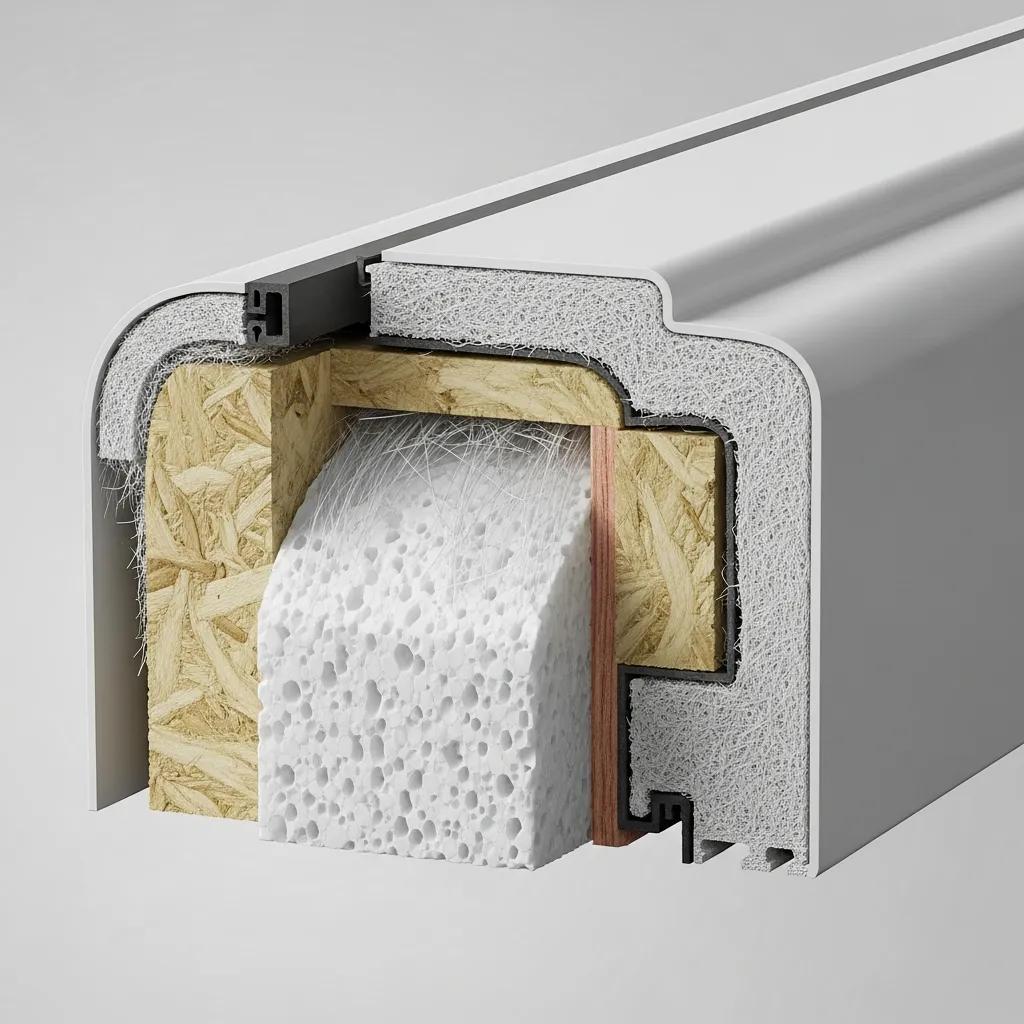
Fiberglass doors offer several practical insulating benefits that many homeowners appreciate:
- Energy efficiency: Their construction limits heat transfer so your HVAC system doesn’t have to work as hard.
- Lower operating costs: Better insulation can translate to noticeable savings on utility bills over time.
- Durability with low upkeep: Fiberglass stands up to warping, cracking, and fading, keeping its shape and finish with minimal maintenance.
How Does Fiberglass Material Enhance Thermal Resistance?
The insulating strength of fiberglass doors comes from two things: the material itself, which has low thermal conductivity, and a dense insulation core that acts as a thermal barrier. Together they slow the flow of heat, keeping cold air out in winter and hot air out in summer — which helps your home stay comfortable without overworking your heating or cooling system.
What Are the Typical R-Values for Fiberglass Doors?
R-value measures a material’s resistance to heat flow. Fiberglass entry doors commonly fall between R‑5 and R‑7, which is strong compared with many other door materials. Keep in mind that R-values vary by model and construction, so check specifications when shopping to match performance to your climate and goals.
Longstanding research has documented fiberglass insulation’s thermal properties and how R-values relate to material thickness and density.
Fiberglass Insulation R‑Value Technical Summary
A 1977 study evaluated full‑thickness thermal performance of mineral‑fiber batt insulations, including fiberglass and rock wool. The work measured density, thickness, and R‑value across samples available at the time, establishing mean R‑values for nominal batt thicknesses (for example, label R‑11 and R‑19 fiberglass batts). The experimental results provided baseline R‑value estimates for low‑density mineral‑fiber building insulations. (AO Desjarlais, 1977)
Steel Doors
Steel doors are a solid choice for homeowners who want strength and security along with reasonable insulating performance. Modern steel doors usually include an insulated core to help reduce heat transfer, and they’ve improved significantly in thermal design over the years. Explore steel door replacement services for your home.
How Do Steel Doors Compare in Energy Efficiency and Insulation?
Steel doors can provide good energy performance, with many models rated between R‑2 and R‑5 depending on core type and construction. While they may not reach the top R‑values you’ll see with fiberglass, steel doors can be a cost‑effective choice that still cuts drafts and boosts comfort — especially when paired with proper weatherstripping and installation.
What Thermal Performance Characteristics Define Steel Doors?
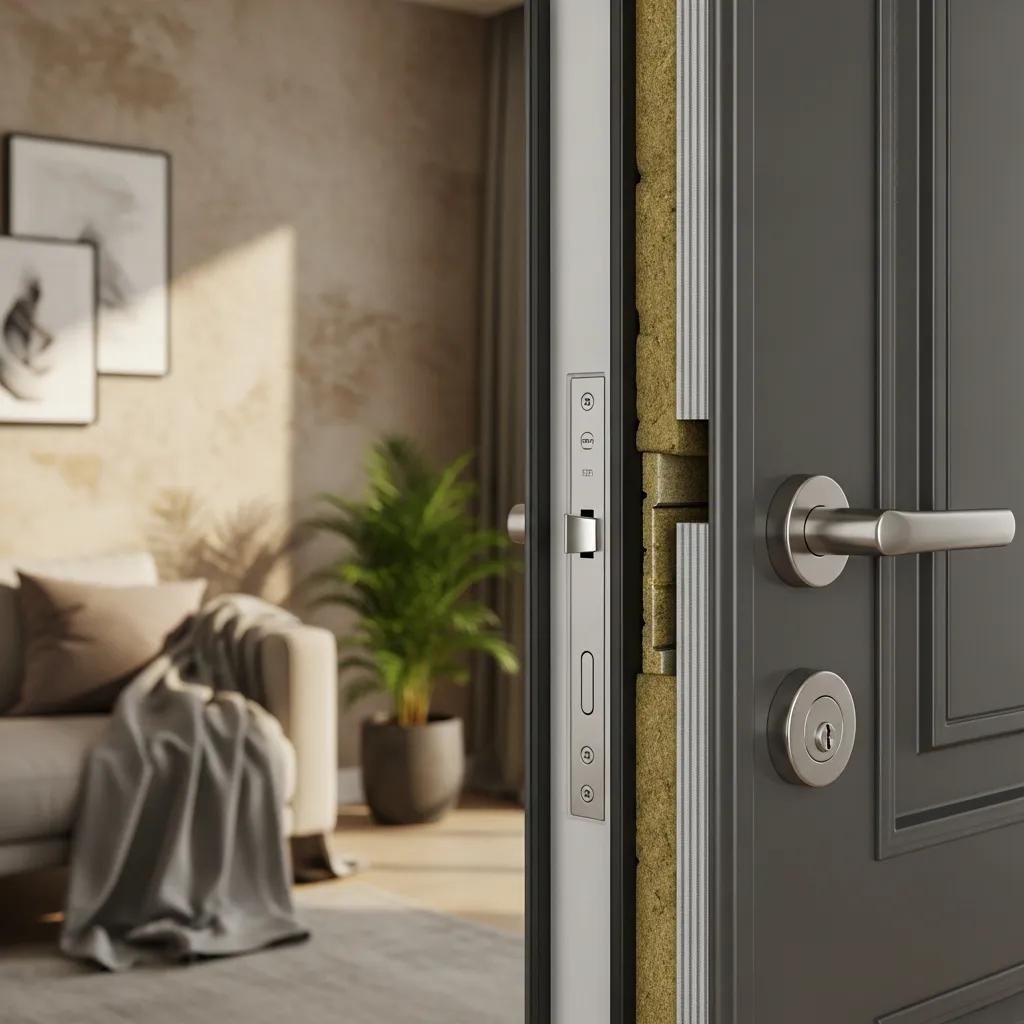
The thermal performance of a steel door depends on the core material and how the door is built. Solid‑core or foam‑filled steel doors insulate much better than hollow options. Equally important are seals, thresholds, and weatherstripping — these prevent leaks that undermine even the best core insulation.
How Do Steel Doors Maintain Durability While Providing Insulation?
Steel doors are prized for durability and resistance to impact and severe weather. The insulation inside doesn’t weaken the structure; it complements the door’s strength. To keep a steel door performing well, regular checks of seals and finish are advisable, and periodic repainting in harsher climates helps prevent corrosion and prolongs service life.
Summary
Both fiberglass and steel doors can improve a home’s energy performance, but they do so in different ways. Fiberglass generally offers higher thermal resistance and lower maintenance, while steel delivers rugged durability and a lower upfront price point. Balance R‑values, expected savings, and upkeep needs against your budget and local climate to decide which fits your project.
What Are the Comparative Insulation Ratings and Long-Term Savings of Fiberglass vs. Steel Doors?
Compare R‑values and lifecycle costs to understand long‑term savings. Fiberglass’s higher R‑values often mean better year‑over‑year energy savings, while steel can be more economical initially. Consider the expected payback from lower energy bills versus the initial purchase and installation costs to make the best choice for your home.
How Do R-Values Influence Energy Savings Between Door Types?
R‑value is a key indicator of insulating performance: higher R‑values help maintain steady indoor temperatures and reduce HVAC runtime. When energy savings are a priority, prioritize doors with higher R‑values and ensure the surrounding frame and seals are done correctly — the whole assembly matters more than the door alone.
What Are the Cost Implications and Maintenance Requirements?
Upfront and ongoing costs differ between materials. Fiberglass usually costs more to buy but often saves more on energy and requires less maintenance. Steel tends to be cheaper initially but may need more attention to seals and finishes over time. Weigh immediate budget constraints against long‑term energy and maintenance considerations.
How Does Professional Installation Affect Door Insulation Performance in Beverly MA?
Installation quality has a major impact on how well a door insulates. Proper alignment, tight seals, and correctly installed thresholds stop drafts and prevent moisture issues. In Beverly, MA, where seasonal temperature swings matter, professional installation ensures the door performs as specified and protects your investment.
Why Is Expert Installation Critical for Maximizing Energy Efficiency?
Even the best door won’t perform if it’s poorly installed. Gaps, misalignment, or inadequate weatherproofing let air bypass the door’s insulation and erode expected energy savings. Hiring an experienced installer ensures the door and frame work together to deliver the efficiency you paid for. Contact First Light Windows and Doors for expert service.
What Local Services Does First Light Windows and Doors Provide?
First Light Windows and Doors offers fiberglass and steel entry doors with professional installation tailored to Beverly, MA homeowners. Our team focuses on correct fit, reliable sealing, and workmanship that maximizes energy performance and longevity. Visit First Light Windows and Doors to learn more about our products and services, including residential sliding door replacement.
What Are Common Questions About Fiberglass and Steel Door Insulation?
Homeowners commonly ask about R‑value differences, how installation affects performance, and what maintenance looks like. Clear answers on those topics help you choose the right door and keep it working efficiently for years.
Which Door Material Offers Better Insulation: Fiberglass or Steel?
On average, fiberglass provides better insulation thanks to higher R‑values and strong thermal resistance. That said, steel doors with quality cores can still be a solid, more affordable choice. The best option depends on your climate, budget, and how long you plan to stay in the home.
How Should Homeowners Maintain Fiberglass and Steel Doors for Optimal Insulation?
Regular upkeep keeps both door types performing well. Follow these basic maintenance steps:
- Regular cleaning: Wipe the door surface to remove dirt and debris that can hide wear.
- Inspect seals: Check weatherstripping and thresholds and replace worn parts to stop drafts.
- Lubrication: Oil hinges and locks so moving parts work smoothly and don’t stress the frame.
These simple habits help protect insulation performance and prolong the door’s life.
To learn more about door installation, contact First Light Windows and Doors for expert guidance and service.
Frequently Asked Questions
What Factors Should I Consider When Choosing Between Fiberglass and Steel Doors?
Think about R‑values, upfront cost, long‑term energy savings, maintenance needs, and appearance. Fiberglass typically offers better insulation and lower upkeep, while steel can be more budget‑friendly and very durable. Also consider local weather patterns and how long you expect the door to last.
How Do Weather Conditions Affect the Performance of Fiberglass and Steel Doors?
Weather plays a role: fiberglass handles temperature swings and moisture without warping, while steel is strong in storms but can be prone to rust if finishes and seals are neglected. Proper installation and periodic maintenance keep both door types performing well in varied conditions.
Can I Improve the Insulation of My Existing Doors?
Yes. You can add or replace weatherstripping, install a door sweep, use insulated storm doors, or hang thermal curtains to reduce heat loss. For older or badly damaged doors, replacing them with a modern, well‑insulated unit is often the most effective long‑term solution. Explore replacement options at First Light Windows and Doors.
What Maintenance Practices Are Essential for Steel Doors?
For steel doors, regularly check seals and weatherstripping, clean the surface, and touch up paint as needed to prevent corrosion. Lubricate hinges and locks and address any dents or finish damage promptly to preserve both appearance and insulating performance.
Are There Any Environmental Benefits to Choosing Fiberglass or Steel Doors?
Both materials can support greener homes. Fiberglass doors often include recycled content and reduce energy use through better insulation. Steel is highly recyclable at end of life. Upgrading to a more efficient door reduces energy demand and can lower your home’s carbon footprint.
How Do I Know If My Door Installation Was Done Correctly?
Check for smooth operation, tight alignment, and no visible gaps around the frame. Feel for drafts with your hand or a candle and inspect weatherstripping for proper contact. If the door sticks, rattles, or shows gaps, schedule a professional assessment to correct the installation by contacting First Light Windows and Doors.
Conclusion
Choosing between fiberglass and steel affects your home’s insulation, maintenance needs, and costs. Fiberglass tends to deliver higher R‑values and low upkeep, while steel offers durability and a lower entry price. Consider R‑value, installation quality, and long‑term goals when making your decision. For help selecting and installing the right door for your Beverly, MA home, reach out to First Light Windows and Doors — we’ll guide you to the best fit for comfort, performance, and value.