Which Door Insulates Better? A Deep Dive Into Fiberglass and Steel Doors
Which Door Insulates Better? Fiberglass vs. Steel — Energy Efficiency and Durability Explained
Choosing a door means weighing insulation, energy performance and long-term durability. Homeowners often narrow the decision to fiberglass or steel because each material brings clear advantages and trade-offs. Below we explain how they compare for thermal performance, what the common ratings mean, how installation affects real-world results, and the practical questions homeowners ask — so you can pick the right door for your home.
Key Takeaways
- Fiberglass doors generally provide better insulation and higher R-values than many steel doors.
- Steel doors’ efficiency depends largely on the insulation type, thickness and construction quality.
- Correct installation and tight seals are essential to achieve a door’s rated performance and prevent drafts.
- Fiberglass resists dents, scratches and moisture, and requires minimal upkeep for long life.
- Steel doors offer strong security but need rust prevention and finish maintenance in humid or coastal areas.
- R-value and U-factor are the standard measures for thermal resistance and heat transfer — use both when comparing doors.
- Well-insulated doors reduce HVAC runtime and can lower heating and cooling costs over time.
- Fiberglass may cost more upfront but often delivers greater energy savings over the door’s lifespan.
- Your best choice balances insulation, durability, security and the routine maintenance you’re willing to do.
Comparison of Fiberglass and Steel Doors
Focus on how each material affects heat flow, comfort and upkeep. Fiberglass typically slows heat transfer more effectively; steel’s performance varies widely with insulation and build quality. The sections below break down those differences so you can choose based on what matters most to you.
Insulation Properties
Fiberglass doors usually have a solid, insulated core that delivers consistent thermal resistance, so they often post higher R-values. Steel doors can be insulated, but results depend on the core material, thickness and how the door is assembled. Always compare the insulation specs rather than assuming one material is always superior.
Energy Efficiency
Reducing heat transfer is key to lowering energy use. Because fiberglass commonly limits heat flow better, it helps stabilize indoor temperatures and may cut heating and cooling needs. That said, a well-insulated, properly installed steel door can offer comparable efficiency. Look at U-factor and real-world installation quality when estimating energy impact.
Durability
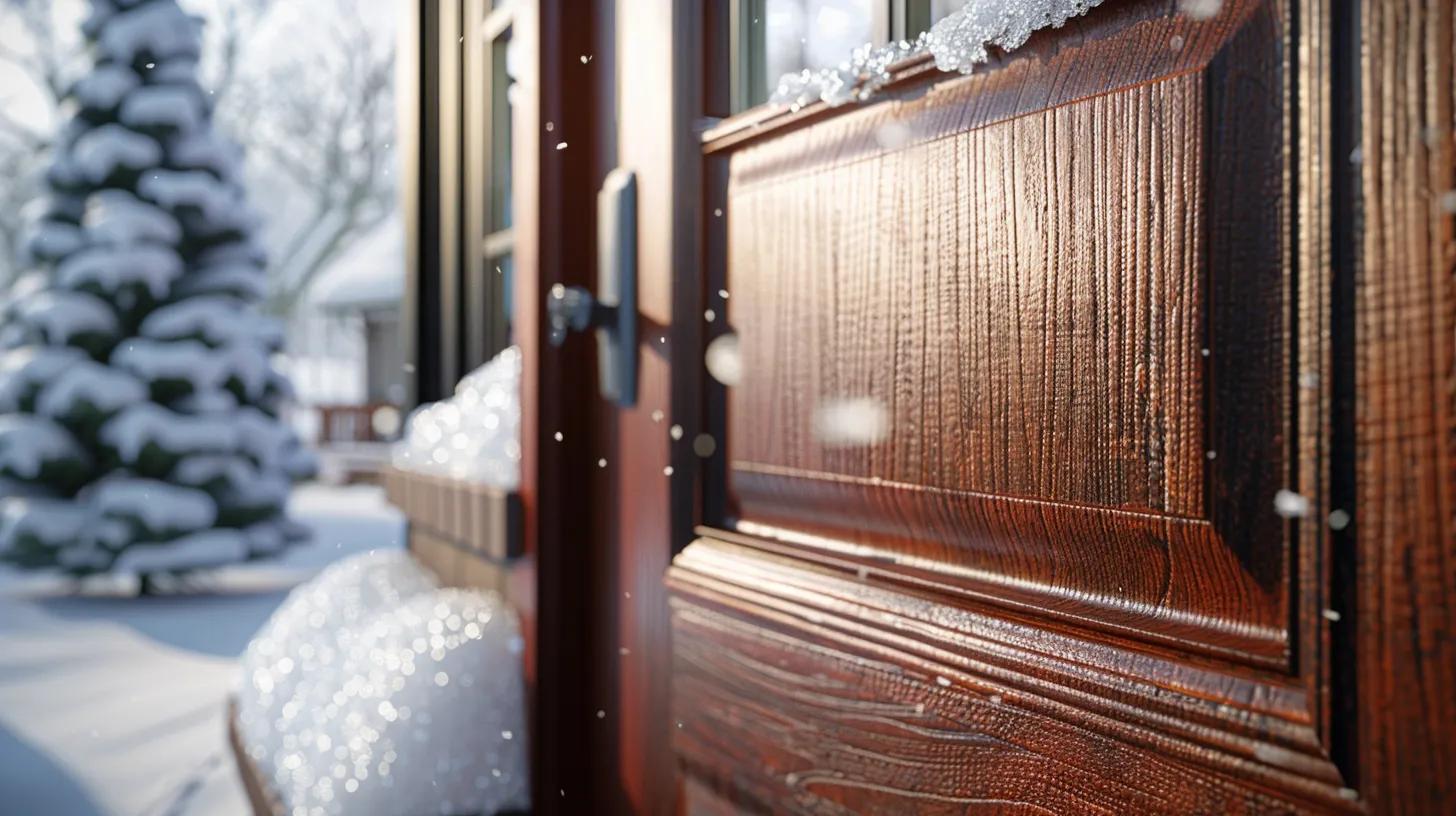
Durability and maintenance matter for long-term performance. Fiberglass resists dents, won’t warp from moisture, and typically needs only simple cleaning — traits that support a long service life. Steel doors deliver strong impact resistance and security benefits but require periodic care, including paint touch-ups and rust control, to stay attractive and functional.
What Are Door Insulation Ratings and Why Do They Matter?
R-value and U-factor give objective ways to compare a door’s thermal behavior. These ratings provide a baseline for expected energy performance and help you match products to your climate and efficiency goals.
How Do R-Value and U-Factor Measure Door Insulation?
R-value measures resistance to heat flow — higher is better for keeping heat in or out. U-factor measures the rate of heat transfer — lower is better. Use both numbers together: R-value indicates resistance, while U-factor reflects overall heat transfer. They let you compare doors fairly.
What Impact Does Door Insulation Have on Home Energy Efficiency?
Good door insulation reduces HVAC workload by limiting heat gain or loss and cutting air infiltration. That stabilises indoor temperatures, can extend HVAC life, and typically lowers energy costs — especially in climates with wide seasonal temperature swings.
How Do Fiberglass Doors Perform in Insulation and Energy Efficiency?
Fiberglass doors are often built with insulation cores and materials designed to limit heat transfer. That makes them a solid choice for homeowners focused on thermal performance and year-round comfort.
What Are the Insulation Properties and R-Values of Fiberglass Doors?
Because many fiberglass doors include dense core insulation and thermally efficient construction, they typically report higher R-values than comparable steel doors. Higher R-values reduce drafts and heat loss, which can lower heating and cooling bills depending on your climate and installation quality.
What Benefits Do Fiberglass Doors Offer for Durability and Maintenance?
Fiberglass combines strong insulation with low maintenance: it resists dents, won’t warp from moisture, and usually needs only occasional cleaning and minor touch-ups. That durability lowers routine upkeep and helps the door perform reliably for decades.
How Do Steel Doors Compare in Insulation and Energy Efficiency?
Steel doors can be energy-efficient, but thermal performance varies more by model. The deciding factors are the type and thickness of insulation, the presence of thermal breaks, and overall manufacturing quality.
What Are the Insulation Ratings and Thermal Performance of Steel Doors?
Insulated steel doors can reach good U-factors and R-values when built with quality cores and thermal breaks. Ratings differ across manufacturers, so choose steel models with verified insulation data if efficiency is important to you.
How Do Steel Doors Perform in Security and Longevity?
Steel doors are known for security and resistance to forced entry. With regular maintenance to manage corrosion — especially near the coast — they can provide long service life and dependable protection for homeowners who prioritize security.
What Are the Key Differences Between Fiberglass and Steel Doors?
Match a door to your priorities: thermal performance, upkeep, appearance and security. Fiberglass usually leads on insulation and low maintenance, while steel offers superior strength and security when properly cared for.
How Do Fiberglass and Steel Doors Compare in R-Value and Energy Savings?
On average, fiberglass doors report higher R-values and therefore tend to deliver greater long-term energy savings. That benefit is most noticeable when doors are professionally installed and sealed to prevent air leaks.
What Are the Cost and Maintenance Considerations for Each Door Type?
Fiberglass doors often cost more up front but usually require less maintenance, which can lower lifetime ownership costs. Steel doors may be less expensive initially but can require repainting and rust control over time. Consider both purchase price and expected upkeep when deciding.
How Does Professional Installation Affect Door Insulation Performance?
Installation quality is critical. Even a high-rated door will underperform if it’s out of square, poorly shimmed or missing proper weatherstripping. Professional installation ensures tight seams, correct adjustments and proper flashing so the door delivers its rated efficiency.
What Installation Services Does First Light Windows and Doorsoffer in Beverly MA?
First Light Windows and Doors installs fiberglass and steel doors throughout Beverly, MA and the surrounding communities. Our technicians focus on precise fit, professional sealing and following manufacturer specifications to maximize energy performance and longevity. We also provide residential sliding door replacement and residential window replacement services to complement your home improvement projects.
Why Is Proper Installation Critical for Maximizing Door Energy Efficiency?
Correct installation removes gaps and thermal bypasses that negate a door’s insulation. Tight seals, accurate alignment and proper flashing reduce air leakage, keep conditioned air inside, and help your HVAC run less often.
What Are Common Questions About Fiberglass and Steel Door Insulation?
Homeowners want clear answers about insulation, cost and comfort. Below are the practical points that matter most when choosing between fiberglass and steel.
Which Door Material Insulates Best According to Industry Standards?
Industry standards and typical product specs usually show fiberglass outperforming steel because fiberglass doors often have higher R-values and more continuous thermal construction. For energy-focused installs, fiberglass is commonly recommended.
How Does Door Insulation Affect Energy Bills and Comfort?
Insulated doors reduce heat flow and limit drafts, which cuts HVAC run time and evens out indoor temperatures. That leads to more consistent comfort and lower energy bills, especially in climates with extreme cold or heat.
To discuss options or schedule an installation estimate, contact First Light Windows and Doors today.
Frequently Asked Questions
What factors should I consider when choosing between fiberglass and steel doors?
Consider insulation performance, durability, maintenance needs, security and cost. Fiberglass typically offers better insulation and lower upkeep; steel provides strong security but needs more maintenance to prevent corrosion. Factor in your local climate and how much maintenance you’re willing to do.
How can I improve the energy efficiency of my existing doors?
Check for air leaks and add quality weatherstripping or caulk where needed. A storm door adds thermal resistance, and insulation kits or foam panels help poorly insulated doors. Regular maintenance of finishes and seals also preserves thermal performance.
What is the lifespan of fiberglass and steel doors?
Fiberglass doors commonly last 20–30 years depending on construction and care. Steel doors typically last 15–30 years, with longevity tied to corrosion control and routine maintenance like repainting and sealing.
Are there any environmental benefits to choosing fiberglass or steel doors?
Both materials have environmental pros. Fiberglass can include recycled content and reduces operational energy through better insulation. Steel requires more energy to manufacture but is highly recyclable at end of life. Choosing insulated doors reduces home energy use and emissions over time.
How do I maintain my fiberglass and steel doors?
Fiberglass doors need simple care: clean with mild soap and water and address surface damage quickly to avoid problems. Steel doors should be inspected for rust, repainted or resealed as needed, and hardware lubricated. Regular checks keep both types performing well.
What are the best practices for installing fiberglass and steel doors?
Hire a professional installer when possible. Ensure the frame is square and level, use quality weatherstripping and sealants, and follow the manufacturer’s installation steps to keep warranties valid. Proper installation is the best way to secure energy performance and long-term function.
Conclusion
The right door improves comfort and reduces energy use. Fiberglass doors generally deliver better insulation and lower maintenance, while steel doors provide strong security when properly cared for. Balance insulation, durability, upkeep and security needs, and use professional installation to capture the full energy benefits. Review high-quality models to find the best fit for your home and climate.