Understanding Entry Door Energy Standards in Beverly MA: A Guide to Energy Efficiency Ratings and Compliance
By Reed Rappoli, First Light Windows & Doors
In Beverly, MA, understanding entry door energy standards is crucial for homeowners looking to enhance their property’s energy efficiency. These standards not only dictate the quality and performance of doors but also influence energy consumption and costs. This guide will delve into the key energy efficiency standards applicable to entry doors, including the significance of U-Factor and R-Value, and the role of ENERGY STAR certification. Homeowners often face challenges in selecting the right doors that comply with these standards while also providing aesthetic appeal and durability. By exploring the various energy ratings and materials, as well as installation best practices, this article aims to equip readers with the knowledge needed to make informed decisions about their entry doors.
Key Takeaways
- Entry door energy standards in Beverly, MA, are governed by the Massachusetts Energy Code focusing on insulation and performance.
- The U-Factor measures heat transfer rate, while the R-Value indicates resistance to heat flow in entry doors.
- ENERGY STAR certified doors meet strict efficiency criteria, reducing energy consumption and utility costs.
- Proper door installation, including sealing and alignment, is essential to maximize energy efficiency and code compliance.
- Fiberglass, steel, and wood are common door materials that meet Massachusetts energy standards when properly insulated.
- Energy-efficient doors contribute to long-term energy savings by minimizing heat loss and maintaining indoor comfort.
- Homeowners in Massachusetts can benefit from rebates and incentives for installing ENERGY STAR certified energy-efficient doors.
- Thermal bridges can reduce door insulation effectiveness, so selecting materials that minimize thermal transfer is important.
- Combining energy-efficient doors with other home improvements enhances overall energy savings and environmental sustainability.
What Are the Key Energy Efficiency Standards for Entry Doors in Beverly MA?
Energy efficiency standards for entry doors in Beverly, MA, are primarily defined by the Massachusetts Energy Code, which sets specific requirements for insulation and performance metrics. These standards are designed to ensure that doors contribute to overall energy savings in residential buildings. The U-Factor and R-Value are two critical metrics that homeowners should understand. The U-Factor measures the rate of heat transfer through the door, while the R-Value indicates the door’s resistance to heat flow. Higher R-Values and lower U-Factors signify better insulation and energy efficiency.
Further research highlights the historical analysis of the Massachusetts Energy Code‘s cost-effectiveness in residential settings.
Massachusetts Energy Code: Cost-Effectiveness for Residential Buildings
This report documents an analysis of the cost effectiveness of the Council of American Building Officials` 1995 Model Energy Code (MEC) building thermal-envelope requirements for single-family houses and multifamily housing units in Massachusetts. The goal was to compare the cost effectiveness of the 1995 MEC to the energy conservation requirements of the Massachusetts State Building Code-based on a comparison of the costs and benefits associated with complying with each.
Cost effectiveness of the 1995 model energy code in Massachusetts, 1995
Incorporating ENERGY STAR certified doors can further enhance compliance with these standards. ENERGY STAR certification indicates that a door meets strict energy efficiency guidelines set by the U.S. Environmental Protection Agency. This certification not only helps in reducing energy bills but also contributes to a more sustainable environment.
How Do Massachusetts Energy Codes Define Door Insulation Requirements?
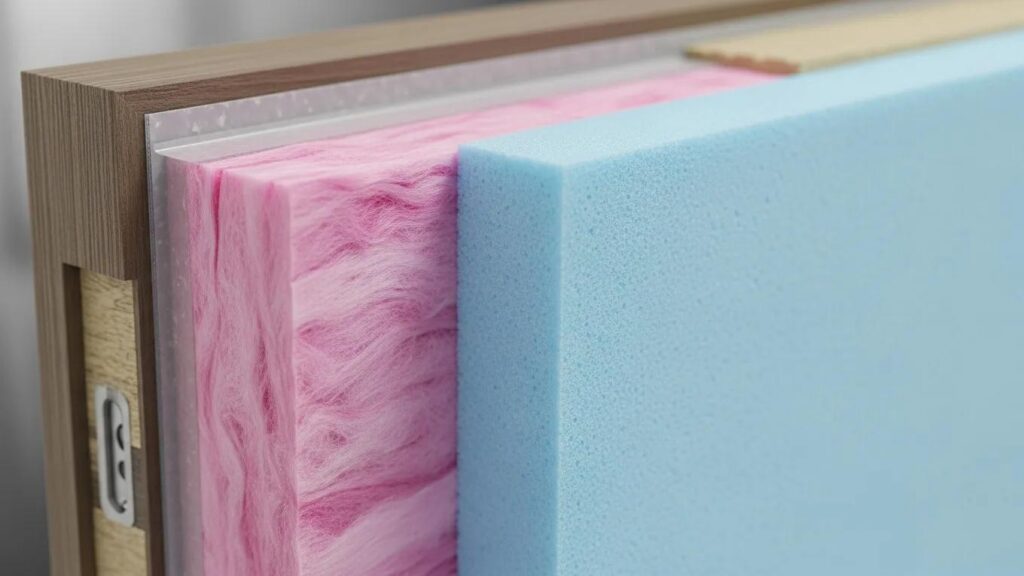
Massachusetts Energy Codes specify insulation requirements for entry doors to ensure optimal energy performance. The codes mandate minimum R-Values for different door types, which vary based on the climate zone. For instance, exterior doors must typically have an R-Value of at least 5.0 to meet energy efficiency standards. This requirement emphasizes the importance of selecting doors with adequate insulation to minimize heat loss during colder months.
Understanding these requirements often involves adhering to prescriptive compliance standards, which detail specific performance levels for building components.
Building Code Compliance: Prescriptive Standards & U-Factor Explained
for achieving compliance. The first is prescriptive compliance, which mandates adherence to specific construction methods, materials, and component performance levels, such as minimum insulation R-values or maximum U-factors. The U-factor, measures the rate of heat transfer through a building component, indicating its insulating effectiveness.
Design Guidelines for FRP-Faced Foam Core Sandwich Panels: Review and Building Code Compliance, R Kassab, 2025
Additionally, the codes outline specific testing methods to verify the insulation performance of doors. Homeowners should look for doors that have been tested and certified to meet these standards, ensuring compliance and energy efficiency. Proper insulation not only enhances comfort but also reduces the workload on heating and cooling systems, leading to long-term energy savings.
What Role Does the Energy Star Certification Play in Door Standards?
The ENERGY STAR certification plays a significant role in establishing energy efficiency standards for entry doors. To earn this certification, doors must meet stringent performance criteria, including specific U-Factor and R-Value thresholds. ENERGY STAR certified doors are designed to reduce energy consumption, which can lead to substantial savings on utility bills.
Moreover, choosing ENERGY STAR certified doors can qualify homeowners for various rebates and incentives offered by local utility companies. These financial benefits can offset the initial investment in energy-efficient doors, making them a cost-effective choice in the long run. By selecting certified products, homeowners not only enhance their property’s energy efficiency but also contribute to environmental sustainability.
How to Compare Entry Door Energy Ratings: U-Factor and Insulation Materials
When comparing entry door energy ratings, understanding the U-Factor is essential. The U-Factor indicates how well a door insulates against heat transfer. A lower U-Factor signifies better insulation, which is crucial for maintaining comfortable indoor temperatures and reducing energy costs. Homeowners should aim for doors with a U-Factor of 0.30 or lower for optimal energy efficiency.
For more information on selecting the right entry door for your home, consider visiting “First Light Windows & Doors”. They offer a variety of options to meet your energy efficiency needs, including residential exterior door replacement and residential sliding door replacement.
In addition to the U-Factor, the choice of insulation materials significantly impacts a door’s energy performance. Common insulation materials include fiberglass, steel, and wood, each offering different benefits. Fiberglass doors, for instance, provide excellent insulation and durability, while steel doors offer strength and security. Understanding the properties of these materials can help homeowners make informed decisions that align with their energy efficiency goals.
What Is the U-Factor and Why Is It Important for Door Performance?
The U-Factor is a critical measurement that quantifies the rate of heat transfer through a door. It is expressed in units of BTUs per hour per square foot per degree Fahrenheit (BTU/h·ft²·°F). A lower U-Factor indicates better insulating properties, which is essential for energy efficiency. For homeowners, selecting doors with a low U-Factor can lead to reduced heating and cooling costs, as these doors minimize heat loss in winter and heat gain in summer.
Understanding the U-Factor is vital for making informed choices about entry doors. Homeowners should look for doors with a U-Factor of 0.30 or lower to ensure optimal performance. This metric not only affects energy bills but also contributes to overall comfort within the home.
Which Door Insulation Materials Meet Massachusetts Standards?
In Massachusetts, several insulation materials are recognized for their effectiveness in meeting energy efficiency standards. Fiberglass, steel, and wood are among the most common materials used in entry doors.
- Fiberglass Doors: These doors offer excellent insulation properties and are resistant to warping and cracking. They typically have high R-Values, making them a popular choice for energy efficiency.
- Steel Doors: Known for their strength and security, steel doors can also be insulated to meet energy standards. They are often filled with foam insulation, providing good thermal performance.
- Wood Doors: While aesthetically pleasing, wood doors require proper maintenance to ensure they meet energy efficiency standards. Solid wood doors can provide decent insulation, but homeowners should ensure they are well-sealed to prevent air leaks.
However, even with insulated materials, factors like thermal bridges can significantly impact a door’s overall U-value and energy performance.
Thermal Bridges & U-Value in Door Insulation
A thermal bridge (also known as a cold bridge) occurs when a material, such as steel, with a higher λ-value than the insulating material creates a path for thermal transfer. The overall U-value of a door is significantly affected by thermal bridges, which can reduce the door’s energy efficiency.
Improving the Thermal Insulation of Industrial Doors, 2024
Selecting the right insulation material is crucial for compliance with Massachusetts energy standards and for achieving long-term energy savings.
What Are the Benefits of Choosing Energy Star Certified Doors in Beverly MA?
Choosing ENERGY STAR certified doors offers numerous benefits for homeowners in Beverly, MA. These doors are designed to meet strict energy efficiency guidelines, which can lead to significant savings on energy bills. By reducing heat loss in winter and heat gain in summer, ENERGY STAR certified doors help maintain comfortable indoor temperatures year-round.
Additionally, these doors contribute to environmental sustainability by lowering overall energy consumption. Homeowners can feel good about their choice, knowing they are making a positive impact on the environment. Furthermore, many local utility companies offer rebates and incentives for installing ENERGY STAR certified products, making them a financially savvy option.
How Do Energy Efficient Doors Contribute to Long-Term Energy Savings?
Energy-efficient doors play a crucial role in reducing long-term energy costs. By minimizing heat transfer, these doors help maintain consistent indoor temperatures, reducing the need for heating and cooling systems to work overtime. This efficiency translates into lower energy bills, providing homeowners with substantial savings over time.
Moreover, energy-efficient doors can enhance the overall comfort of a home. By preventing drafts and maintaining stable temperatures, these doors create a more pleasant living environment. Homeowners can enjoy the benefits of energy savings while also improving their home’s comfort and livability.
What Rebates and Incentives Are Available for Energy Efficient Doors in Massachusetts?
In Massachusetts, homeowners can take advantage of various rebates and incentives for installing energy-efficient doors. Local utility companies often provide financial incentives for upgrading to ENERGY STAR certified products. These programs can significantly reduce the upfront costs associated with purchasing and installing energy-efficient doors.
For more information on available rebates and incentives, contact First Light Windows & Doors to explore your options.
Additionally, the Massachusetts Clean Energy Center offers rebates for energy-efficient home improvements, including door replacements. Homeowners should check with their local utility providers to learn about specific programs and eligibility requirements. Taking advantage of these incentives can make energy-efficient upgrades more affordable and accessible.
How to Ensure Proper Installation for Maximum Energy Efficiency Compliance
Proper installation of entry doors is essential for maximizing energy efficiency and ensuring compliance with local standards. Even the most energy-efficient door can underperform if not installed correctly. Homeowners should consider hiring professional installers who are familiar with local building codes and best practices for energy-efficient installations.
Best practices include ensuring proper sealing and weatherproofing to prevent air leaks. Additionally, installers should verify that the door is aligned correctly within the frame to avoid gaps that can compromise insulation. Following these guidelines can help homeowners achieve optimal energy performance from their entry doors.
What Are Best Practices for Installing Energy Efficient Entry Doors?
To ensure energy-efficient entry doors perform at their best, homeowners should follow several best practices during installation:
- Hire Professionals: Engaging experienced installers can ensure compliance with local codes and standards.
- Check Alignment: Proper alignment within the door frame is crucial to prevent air leaks and ensure effective insulation.
- Seal Gaps: Use weatherstripping and caulking to seal any gaps around the door, enhancing its energy efficiency.
By adhering to these best practices, homeowners can maximize the benefits of their energy-efficient doors and ensure long-term performance.
How Does Installation Affect Door Energy Performance and Code Compliance?
The installation process significantly impacts the energy performance of entry doors. A poorly installed door can lead to air leaks, reducing its effectiveness in maintaining indoor temperatures. This not only affects energy efficiency but can also result in non-compliance with local building codes.
Proper installation techniques, such as ensuring the door is level and securely fastened, are essential for achieving optimal performance. Homeowners should also consider the use of high-quality materials for sealing and weatherproofing to enhance the door’s energy efficiency. By prioritizing proper installation, homeowners can ensure their entry doors meet energy standards and provide lasting benefits.
Frequently Asked Questions
1. What factors should I consider when choosing an entry door for energy efficiency?
When selecting an entry door for energy efficiency, consider the door’s U-Factor and R-Value, which indicate its insulation properties. Look for materials like fiberglass, steel, or wood, each offering different benefits in terms of durability and insulation. Additionally, ensure the door is ENERGY STAR certified, as this guarantees compliance with energy efficiency standards. Proper installation is also crucial; gaps and misalignment can lead to air leaks, undermining the door’s performance. Lastly, consider aesthetic appeal to ensure the door complements your home’s design.
2. How can I verify if my entry door meets Massachusetts energy standards?
To verify if your entry door meets Massachusetts energy standards, check for labels indicating compliance with the Massachusetts Energy Code. Look for the U-Factor and R-Value ratings on the door’s certification label. Additionally, ensure that the door is ENERGY STAR certified, which signifies adherence to strict energy efficiency guidelines. Consulting with a professional installer familiar with local codes can also provide assurance that your door meets the necessary standards. Regular inspections can help maintain compliance over time, especially if the door shows signs of wear.
3. Are there specific maintenance tips for energy-efficient doors?
Maintaining energy-efficient doors is essential for ensuring their longevity and performance. Regularly inspect the door for any signs of wear, such as cracks or gaps, and address them promptly to prevent air leaks. Clean the door and its components, including weatherstripping and seals, to ensure they function effectively. Reapply weatherproofing materials as needed, especially after harsh weather conditions. Additionally, check the door’s alignment within the frame periodically, as settling can cause misalignment over time, impacting energy efficiency.
4. What are the common mistakes to avoid when installing energy-efficient doors?
Common mistakes to avoid when installing energy-efficient doors include improper alignment, which can lead to gaps and air leaks, and neglecting to seal around the door frame. Failing to use appropriate weatherstripping or caulking can compromise insulation. Additionally, not following local building codes can result in non-compliance issues. It’s also important to avoid rushing the installation process; taking the time to ensure everything is level and secure will enhance the door’s performance. Hiring experienced professionals can help mitigate these risks.
5. How do energy-efficient doors impact home resale value?
Energy-efficient doors can positively impact a home’s resale value by appealing to environmentally conscious buyers and those looking to reduce energy costs. Homes equipped with ENERGY STAR certified doors often attract higher offers due to their lower utility bills and enhanced comfort. Additionally, energy-efficient upgrades can be a selling point, showcasing the homeowner’s commitment to sustainability. Potential buyers may also appreciate the long-term savings associated with energy-efficient features, making the home more attractive in a competitive market.
6. What are the environmental benefits of installing energy-efficient doors?
Installing energy-efficient doors contributes to environmental sustainability by reducing overall energy consumption. These doors minimize heat loss in winter and heat gain in summer, leading to lower greenhouse gas emissions from heating and cooling systems. By decreasing energy demand, homeowners can help reduce reliance on fossil fuels and lower their carbon footprint. Additionally, many energy-efficient doors are made from sustainable materials, further enhancing their eco-friendly profile. Choosing such doors not only benefits individual homeowners but also supports broader environmental goals.
7. Can I combine energy-efficient doors with other home improvements for better results?
Yes, combining energy-efficient doors with other home improvements can significantly enhance overall energy efficiency. Consider upgrading windows to ENERGY STAR certified models, adding insulation in walls and attics, and sealing air leaks throughout the home. Implementing smart home technology, such as programmable thermostats, can also optimize energy use. Landscaping improvements, like planting trees for shade, can further reduce heating and cooling demands. Together, these upgrades create a comprehensive approach to energy efficiency, maximizing comfort and savings while minimizing environmental impact.
Conclusion
Understanding entry door energy standards in Beverly, MA, empowers homeowners to make informed choices that enhance energy efficiency and reduce costs. By selecting ENERGY STAR certified doors and adhering to local building codes, you can significantly lower energy bills while contributing to environmental sustainability. Explore our range of energy-efficient doors to find the perfect fit for your home. Take the next step towards a more energy-efficient future today!