How to Match Windows and Doors With Your Home's Style and Energy Efficiency
Selecting windows and doors is a consequential decision that affects both your home’s appearance and its energy performance. The wide range of styles, materials, and energy ratings can be difficult to evaluate. This guide explains the key factors to consider so you can choose products that respect your home’s architecture and reduce energy use. It covers aesthetic considerations, energy performance, functionality, material selection, installation quality, and maintenance to provide a comprehensive framework for balanced decisions.
Key Takeaways
- Choosing windows and doors impacts both your home’s aesthetic appeal and energy efficiency significantly.
- Matching window and door styles to your home’s architecture creates a cohesive and inviting appearance.
- Energy-efficient windows and doors minimize heat loss and gain, reducing utility bills and environmental impact.
- Material selection affects durability, maintenance needs, and insulation performance of windows and doors.
- Professional installation is crucial to prevent air leaks and ensure optimal energy efficiency and longevity.
- Regular maintenance, including cleaning and weatherproofing, preserves functionality and energy-saving properties.
- Understanding energy ratings like ENERGY STAR, U-Factor, and SHGC helps select efficient windows and doors.
- Functional considerations such as ventilation, security, and ease of use improve home comfort and usability.
- Popular window styles like double-hung, casement, and picture windows offer distinct aesthetic and functional benefits.
Aesthetic Appeal
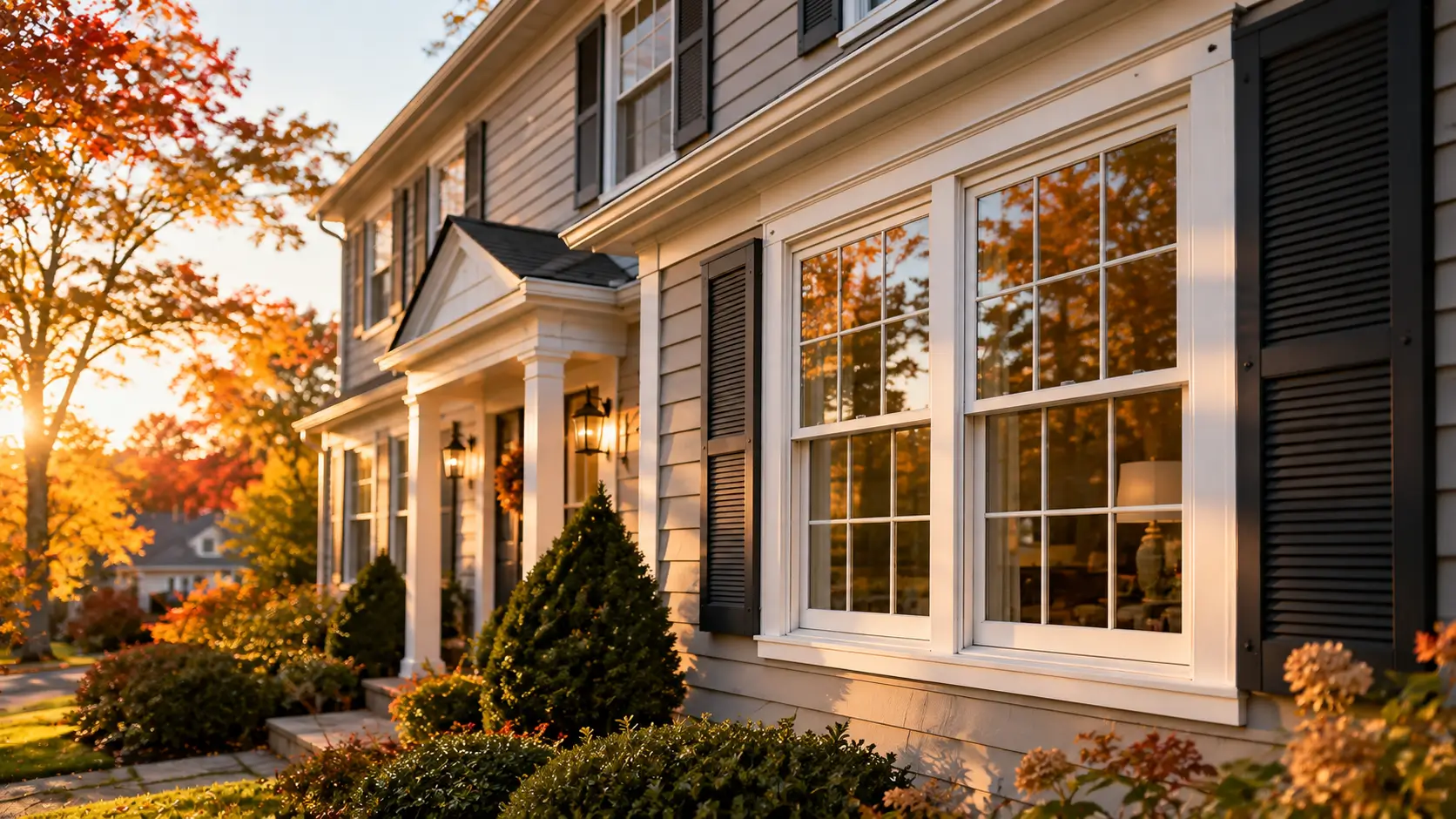
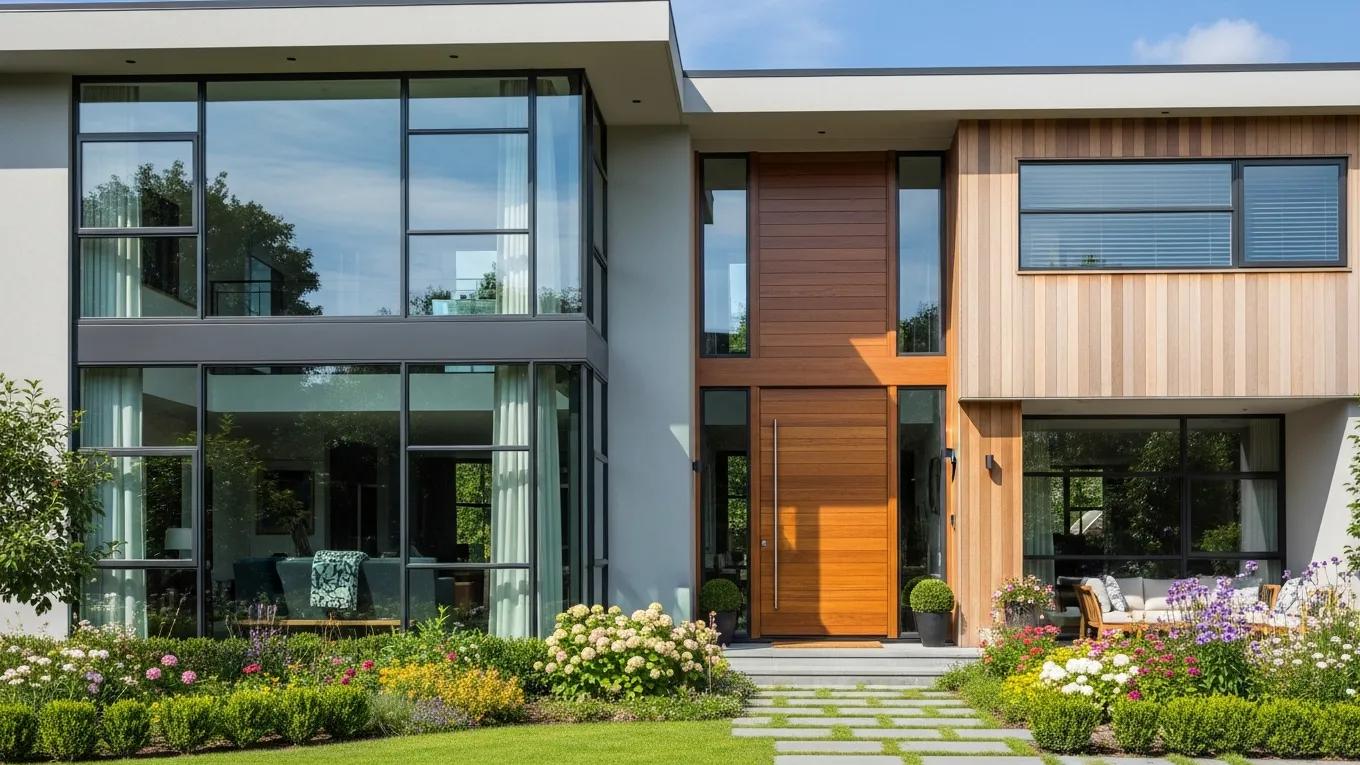
Aesthetic considerations are primary when matching windows and doors to a home’s architecture. Appropriate choices reinforce the property’s character and create a unified exterior. Match window and door styles to the building’s period and lines—double-hung windows suit traditional designs; casement windows complement contemporary façades. Professional consultation can identify styles and proportions that best suit a specific design.
Energy Efficiency
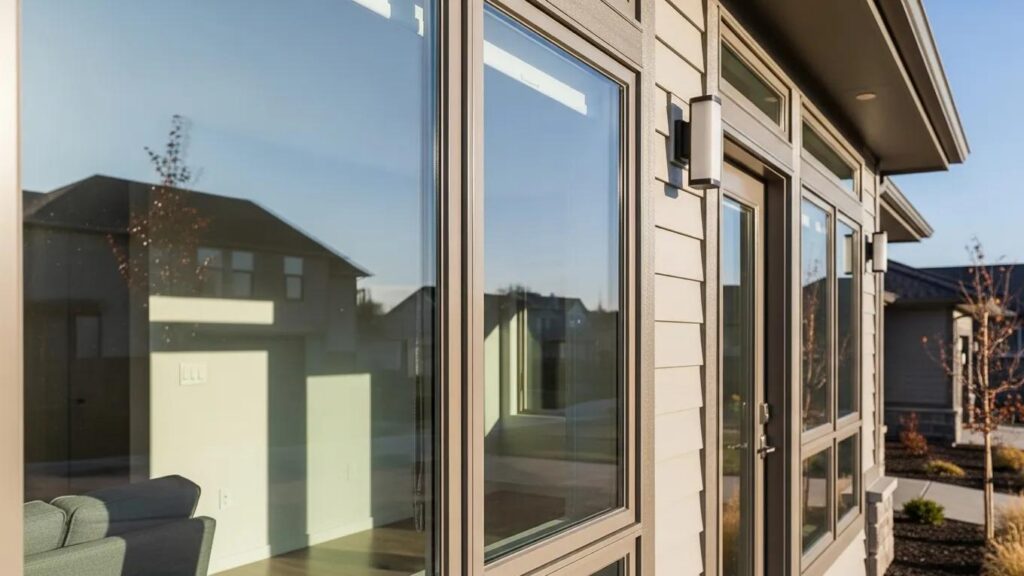
Energy efficiency directly influences household energy use and utility costs. Energy-efficient windows and doors reduce heat transfer to maintain stable indoor temperatures throughout the year. Seek products with ENERGY STAR certification. Common efficiency features include advanced glazing, low-emissivity (Low-E) coatings, and insulated frames. Investing in efficient units delivers ongoing cost savings and lowers environmental impact.
First Light Windows and Doors specialises in energy-efficient windows and doors designed to complement a range of architectural styles while improving energy performance. Their product line meets stringent efficiency standards, allowing homeowners to achieve both aesthetic and operational benefits.
Functionality
Functionality should align with your household requirements for ventilation, accessibility, and security. Sliding doors provide direct access to outdoor areas; casement windows offer precise ventilation control. Evaluate ease of operation and maintenance when selecting styles. Prioritising functional design enhances comfort and daily usability.
Material Considerations
Material selection influences durability, maintenance obligations, and visual character. Common choices—wood, vinyl, and fiberglass—each have trade-offs. Wood delivers a traditional appearance but requires routine upkeep; vinyl is low‑maintenance and thermally efficient; fiberglass combines high durability with strong insulating properties. Assess long-term performance and maintenance needs alongside aesthetics.
Installation Quality
Installation quality is critical to product performance. Correct installation preserves intended function, maximizes energy efficiency, and extends service life. Engage experienced installers who understand local building codes and industry best practices. Proper installation prevents air infiltration and water penetration that can undermine efficiency and cause costly repairs.
Maintenance
Regular maintenance preserves both appearance and performance. Maintenance requirements vary by material: wood may require repainting or staining; vinyl typically needs only periodic cleaning. A scheduled routine—cleaning tracks, lubricating moving parts, and inspecting seals—helps extend service life and maintain energy performance.
Which Window Styles Best Complement Different Home Architectural Designs?
Choosing an appropriate window style enhances architectural character and delivers specific functional benefits. Consider the interaction of form and function when deciding.
What Are the Key Features of Popular Window Styles for Homes?
Popular window styles include:
- Double-Hung Windows: These versatile windows feature two operable sashes, allowing for excellent ventilation and easy cleaning.
- Casement Windows: Hinged on one side, these windows open outward, providing maximum airflow and unobstructed views.
- Picture Windows: Fixed windows that do not open, picture windows are ideal for showcasing views and allowing natural light into the home.
Each style offers distinct advantages for light, ventilation, and visual impact; select the option that best addresses your priorities.
How to Select Window Frames That Enhance Your Home's Style and Energy Efficiency?
When selecting window frames, consider the following factors:
- Architectural Compatibility: Choose frames that complement your home’s architectural style, whether traditional or modern.
- Material Selection: Opt for materials that offer both durability and energy efficiency, such as vinyl or fiberglass.
- Energy Efficiency Features: Look for frames with insulating properties to enhance overall energy performance.
Careful evaluation of these elements will result in frames that enhance both aesthetic coherence and thermal performance.
What Door Types and Materials Offer the Best Combination of Design and Energy Efficiency?
Door selection should balance aesthetic aims with insulation performance. Variety in design and materials accommodates differing stylistic and functional requirements.
How Do Different Door Materials Impact Insulation and Home Design?
Door materials significantly influence insulation and design. Common materials include:
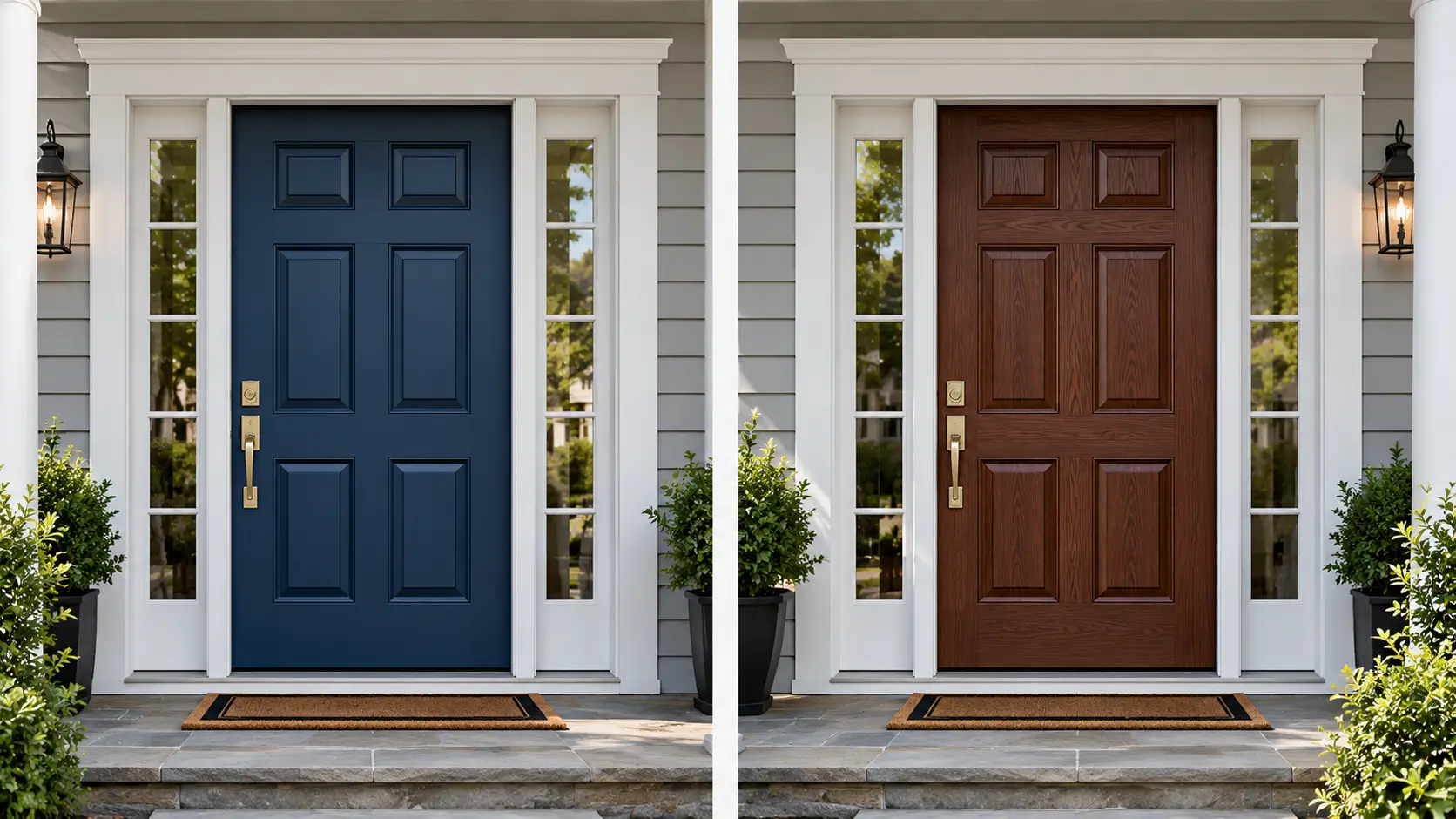
- Wood: Offers a classic look and good insulation but requires regular maintenance.
- Fiberglass: Provides excellent insulation and durability, often mimicking the appearance of wood without the upkeep.
- Steel: Known for its strength and security, steel doors can also be energy-efficient when properly insulated.
Each material presents trade-offs in appearance, maintenance, and thermal performance; align your choice with design objectives and energy goals.
Which Energy Efficient Door Options Are Recommended for Various Home Styles?
For energy efficiency, consider these door options:
- Sliding Glass Doors: Ideal for contemporary homes, these doors provide ample natural light and can be energy-efficient with proper glazing.
- French Doors: Suitable for traditional homes, French doors can enhance aesthetic appeal while offering good insulation when made from energy-efficient materials.
- Entry Doors with Insulation: Look for entry doors that feature insulated cores to improve energy performance across all home styles.
The appropriate door choice can improve energy performance while complementing the home’s architectural intent.
How Do Energy Efficiency Ratings Influence Window and Door Selection?
Energy ratings provide objective measures of product performance and support informed selection of windows and doors.
What Do Energy Star and Other Energy Ratings Mean for Homeowners?
ENERGY STAR certification indicates compliance with performance criteria established by the U.S. Environmental Protection Agency. Homeowners should prioritise these ratings when seeking products that deliver measurable energy savings.
How Can Understanding U-Factor and Solar Heat Gain Coefficient Improve Your Choices?
The U‑Factor quantifies heat transfer; the Solar Heat Gain Coefficient (SHGC) measures solar heat admission. Interpreting these metrics in relation to your climate enables selection of products that optimise thermal comfort and energy use.
What Are the Benefits and Steps of Professional Window and Door Installation?
Professional installation secures the intended performance and durability of windows and doors.
Why Is Expert Installation Crucial for Maximizing Energy Efficiency?
Expert installation prevents performance losses caused by poor fitting. Trained installers apply sealing techniques and adhere to code requirements to minimise air leakage and ensure compliant, long‑lasting installations.
What Is the Typical Installation Process and What Should Homeowners Expect?
The typical installation process includes:
- Initial Consultation: Discussing your needs and preferences with the installer.
- Removal of Old Units: Safely taking out existing windows and doors.
- Installation of New Units: Properly fitting and sealing the new windows and doors.
- Final Inspection: Ensuring everything is installed correctly and functions as intended.
Homeowners should expect a systematic process focused on quality and energy performance, from consultation through final inspection.
How Can Homeowners Maintain Windows and Doors to Preserve Style and Energy Efficiency?
Routine care preserves both appearance and efficiency of windows and doors over time.
What Are Effective Maintenance Tips for Different Window and Door Materials?
Effective maintenance tips include:
- Regular Cleaning: Keep frames and glass clean to maintain appearance and functionality.
- Lubrication of Moving Parts: Ensure that hinges and locks operate smoothly.
- Weatherproofing Techniques: Inspect seals and weather stripping regularly to prevent air leaks.
Adopting these maintenance practices will extend service life and help sustain energy‑saving performance.
How Does Regular Maintenance Contribute to Energy Savings and Longevity?
Regular upkeep reduces the risk of air leaks and mechanical failures that increase energy consumption. Consistent maintenance contributes to long‑term savings and reliable operation.
Frequently Asked Questions
What are the most energy-efficient window and door options available?
Seek products with ENERGY STAR certification for verified efficiency. Double‑glazed units with low‑emissivity (Low‑E) coatings reduce heat transfer. For doors, insulated fiberglass or steel constructions deliver strong thermal performance. Sliding glass doors with appropriate glazing can admit light while limiting energy loss. Always review U‑Factor and SHGC values to ensure suitability for your climate.
How can I improve the energy efficiency of my existing windows and doors?
Improve existing units by sealing gaps with weather‑stripping or sealant and by adding insulating window films or thermal curtains. For doors, install storm doors or door sweeps to limit drafts. Maintain moving parts and seals through cleaning and lubrication. If gains are insufficient, consider replacing outdated units with modern, energy‑efficient models.
What factors should I consider when choosing window and door colors?
Consider the home’s architectural character and local climate when selecting colours. Light colours reflect solar heat and suit warmer regions; darker tones may retain heat in cooler areas. Coordinate frame colours with exterior finishes and landscaping. Verify any homeowners’ association restrictions before finalising choices.
How do I know if I need to replace my windows and doors?
Replace units that show physical damage—cracks, warping, or rot—that compromise performance. Persistent drafts, condensation between panes, or difficulty operating sashes are further indicators. A notable rise in energy bills may also signal inefficiency. Arrange a professional inspection to determine whether replacement or repair is appropriate.
What are the benefits of using professional services for window and door selection?
Engaging professionals yields tailored recommendations aligned to your architecture, efficiency targets, and budget. They can source appropriate products, clarify energy ratings and material options, and deliver correct installation—essential for optimal performance and longevity. Their expertise helps avoid common errors, saving time and expense.
What maintenance practices can extend the life of my windows and doors?
Implement a scheduled maintenance programme: clean frames and glazing to prevent buildup, inspect and replace worn seals and weather‑stripping, and lubricate hinges and locks. Inspect wooden frames for rot and address damage promptly. Regular maintenance preserves appearance and supports energy efficiency.
Conclusion
Appropriate selection of windows and doors improves aesthetic appeal and energy performance, producing long‑term savings. Understanding styles, materials, and installation quality enables informed choices that reflect personal taste and environmental responsibility. Consistent maintenance preserves these investments. Explore our energy‑efficient window and door offerings to enhance your home’s appearance and efficiency.