10 Essential Factors to Consider When Selecting Windows and Doors for Your Home
By Reed Rappoli, First Light Windows & Doors
Selecting windows and doors affects a home’s energy performance, appearance and security. The range of available products can complicate decision-making for homeowners. This article outlines ten essential factors to consider when choosing energy-efficient windows and doors, enabling informed decisions that improve comfort and property value. Topics include material selection, energy ratings, glazing options and installation quality. Professional installation—including providers serving Beverly, MA—can materially influence results.
Key Takeaways
- Choosing the right material for windows and doors impacts durability, maintenance, and overall energy efficiency.
- Energy ratings like U-Factor and SHGC help select windows and doors that reduce energy costs effectively.
- Proper insulation in windows and doors maintains indoor temperatures and lowers heating and cooling expenses.
- Glass options such as double-pane, triple-pane, and Low-E coatings enhance energy efficiency and comfort.
- Effective weatherstripping prevents drafts and improves the energy performance of windows and doors.
- Design compatibility ensures windows and doors complement the architectural style and aesthetic of your home.
- Professional installation is critical for maximizing energy efficiency and extending the lifespan of windows and doors.
- Evaluating cost-effectiveness involves balancing initial investment with long-term energy savings and home value increase.
- Understanding maintenance requirements helps choose windows and doors that fit your lifestyle and ensure longevity.
The 10 essential factors to consider when selecting energy-efficient windows and doors for your home include:
When selecting energy-efficient windows and doors, consider factors that affect long-term performance and operating costs. The following ten considerations will guide your evaluation:
- Material: The choice of material significantly impacts durability, maintenance, and energy efficiency.
- Energy Ratings: Understanding energy ratings helps you select products that will save you money on energy bills.
- Insulation: Proper insulation is vital for maintaining indoor temperatures and reducing energy consumption.
- Glass Options: Different glass types can enhance energy efficiency and comfort.
- Weatherstripping: Effective weatherstripping prevents drafts and improves energy performance.
- Design Compatibility: The style of windows and doors should complement your home’s architecture.
- Installation Quality: Professional installation ensures optimal performance and longevity.
- Cost-Effectiveness: Evaluating upfront costs versus long-term savings is essential.
- Customization Options: Custom features can enhance functionality and aesthetics.
- Maintenance Requirements: Understanding maintenance needs will help you choose products that fit your lifestyle.
Material
Frame material strongly influences thermal performance, durability and maintenance. Common options—vinyl, wood and fiberglass—offer distinct trade-offs in insulation, appearance and service requirements.
- Vinyl: Known for its durability and low maintenance, vinyl windows are energy-efficient and resistant to moisture. They typically range from $300 to $800.
- Wood: While offering excellent insulation and aesthetic appeal, wood requires regular maintenance to prevent rot and warping. Prices range from $600 to $1,200.
- Fiberglass: This material is highly durable and energy-efficient, with prices between $1,000 and $2,500. It offers a good balance of performance and aesthetics.
Selecting the appropriate material will affect energy consumption and upkeep over the product lifetime. For professional product and installation options, review the offerings from First Light Windows & Doors.
Energy Ratings
Energy ratings are essential for understanding how well windows and doors will perform in terms of energy efficiency. Key ratings to consider include the U-Factor and Solar Heat Gain Coefficient (SHGC).
- U-Factor: This rating measures the rate of heat transfer and indicates how well a window insulates. Lower U-Factor values signify better insulation.
- SHGC: This rating measures how much solar heat is transmitted through the window. A lower SHGC is preferable in warmer climates to reduce cooling costs.
Evaluating these ratings ensures product selection matches local climate conditions and energy-saving objectives.
Insulation
Insulation is a critical factor in maintaining energy efficiency in your home. Proper insulation minimizes heat transfer, keeping your home comfortable year-round.
- Types of Insulation: Common insulation materials include fiberglass, foam, and cellulose. Each type has its own benefits and drawbacks.
- Impact on Energy Bills: Well-insulated windows and doors can significantly reduce heating and cooling costs, leading to long-term savings.
- Long-Term Benefits: Investing in high-quality insulation can enhance your home’s overall energy performance and comfort.
Proper insulation in frames and glazing is fundamental to achieving predictable indoor temperatures and reduced utility costs.
Glass Options
The type of glass used in windows can greatly influence energy efficiency and comfort.
- Double-Pane Glass: This option provides better insulation than single-pane glass, reducing energy costs.
- Triple-Pane Glass: Offering even greater insulation, triple-pane glass is ideal for extreme climates but comes at a higher cost.
- Low-E Coatings: These coatings reflect heat while allowing natural light to enter, improving energy efficiency without sacrificing brightness.
Choosing appropriate glazing optimizes thermal performance and occupant comfort.
Weatherstripping
Weatherstripping is essential for preventing drafts and improving the energy efficiency of windows and doors.
- Types of Weatherstripping: Options include foam, felt, and V-strip, each with varying levels of effectiveness and durability.
- Installation Tips: Proper installation is crucial for maximizing the benefits of weatherstripping. Ensure that seals are tight and free from gaps.
- Maintenance Advice: Regularly inspect weatherstripping for wear and replace it as needed to maintain energy efficiency.
High-quality weatherstripping reduces drafts and preserves the designed energy performance of windows and doors.
Design Compatibility
The design of your windows and doors should complement your home’s architectural style.
- Style Matching: Consider the overall aesthetic of your home when selecting window and door styles.
- Architectural Considerations: Certain styles may be more suitable for specific architectural designs, enhancing curb appeal.
- Personal Preferences: Ultimately, your personal taste should guide your choices, ensuring that your windows and doors reflect your style.
Selecting styles that complement your home’s architecture improves curb appeal while meeting functional requirements.
Installation Quality
The quality of installation is critical for ensuring the performance and longevity of your windows and doors.
- Importance of Professional Installation: Hiring professionals ensures that windows and doors are installed correctly, maximizing their energy efficiency.
- Common Installation Mistakes: Poor installation can lead to air leaks and reduced performance, negating the benefits of energy-efficient products.
- Long-Term Performance Implications: Proper installation can extend the lifespan of your windows and doors, providing better value over time.
Engaging qualified installers is essential to realize the full performance and longevity benefits of energy-efficient products.
Cost-Effectiveness
Evaluating the cost-effectiveness of windows and doors involves considering both upfront costs and long-term savings.
- Initial Investment: While energy-efficient products may have a higher initial cost, they often lead to significant savings on energy bills.
- Energy Savings Over Time: Over the lifespan of the products, the savings can offset the initial investment, making them a wise choice.
- Return on Investment: Energy-efficient windows and doors can also increase your home’s resale value, providing a strong return on investment.
Assessing upfront costs against projected energy savings and resale value enables sound financial decisions.
Customization Options
Customization options allow homeowners to tailor windows and doors to their specific needs and preferences.
- Available Options: Many manufacturers offer a range of customization features, including colors, finishes, and sizes.
- Cost Implications: Customization can increase costs, so it’s essential to weigh the benefits against the additional expense.
- Personalization Benefits: Customized windows and doors can enhance both functionality and aesthetics, making your home uniquely yours.
Evaluating customization features helps balance functionality, aesthetics and budget to achieve the desired outcome.
Maintenance Requirements
Understanding the maintenance requirements of your windows and doors is essential for ensuring their longevity.
- Maintenance Frequency: Regular inspections and maintenance can prevent costly repairs down the line.
- Material-Specific Needs: Different materials have varying maintenance needs; for example, wood requires more upkeep than vinyl.
- Long-Term Care Tips: Establishing a maintenance routine can help extend the lifespan of your windows and doors.
Transparent maintenance expectations allow you to choose products that align with your maintenance capacity and longevity goals.
Which Window Materials Offer the Best Performance and Durability?
Frequently Asked Questions
1. What are the benefits of energy-efficient windows and doors?
Energy-efficient windows and doors reduce energy consumption and can lower utility bills. They limit heat transfer to maintain stable indoor temperatures, decreasing demand on heating and cooling systems. These products support sustainability by reducing household energy use and may increase property value and aesthetic appeal, making them a practical investment for both performance and resale.
2. How do I know if my current windows and doors are energy-efficient?
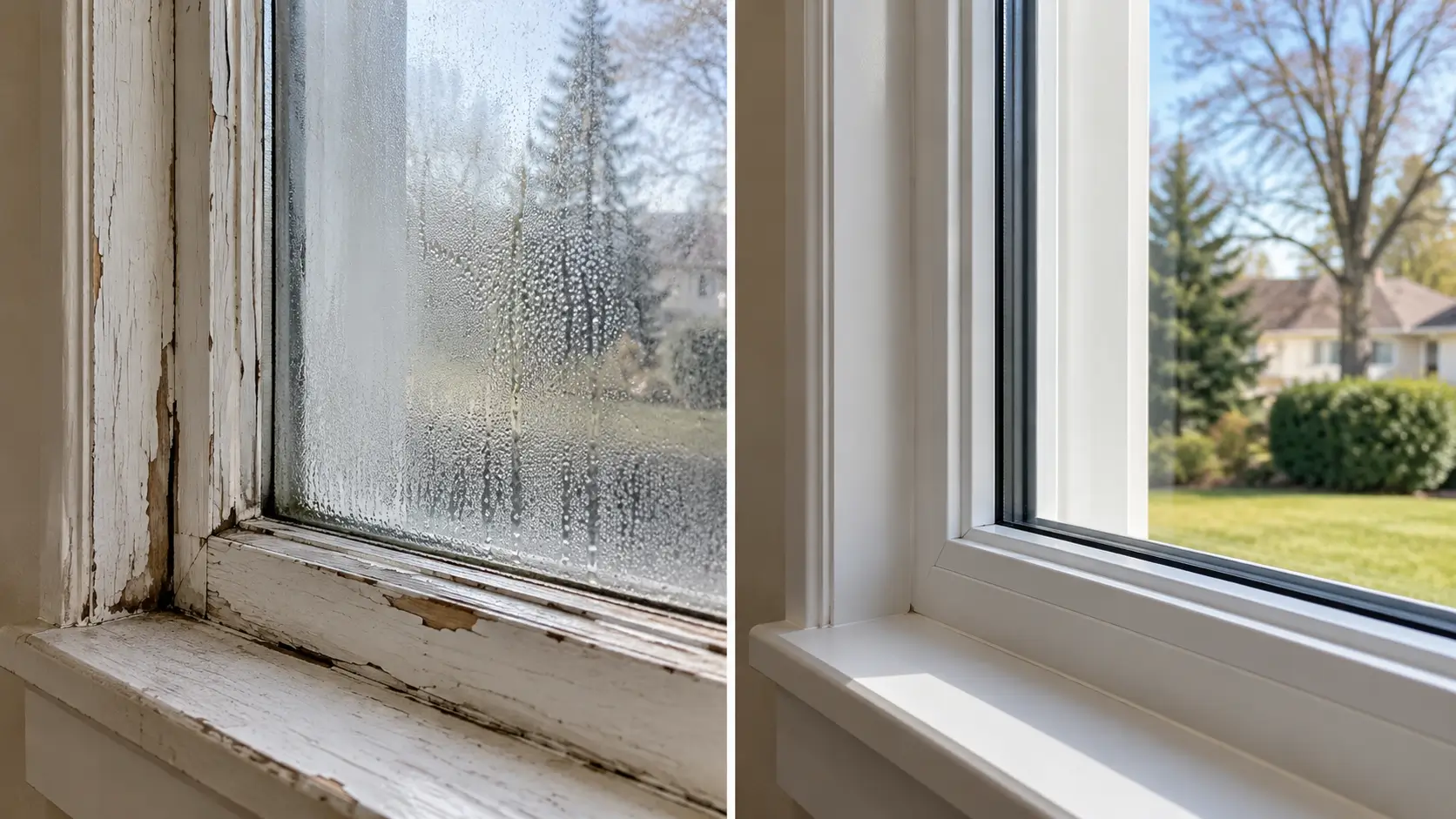
Inspect labels for U-Factor and SHGC and look for ENERGY STAR certification to confirm efficiency. Also check for drafts, condensation between panes or visible damage. Single-pane windows or persistent seal failure indicate the need to consider replacement.
3. What is the role of Low-E coatings in energy-efficient windows?
Low-E (low emissivity) coatings are thin, transparent treatments applied to glass that reflect infrared heat while permitting visible light. They reduce heat loss in winter and limit solar heat gain in summer, lowering energy consumption and improving occupant comfort without substantially reducing daylight.
4. Are there specific energy-efficient window styles that work better in certain climates?
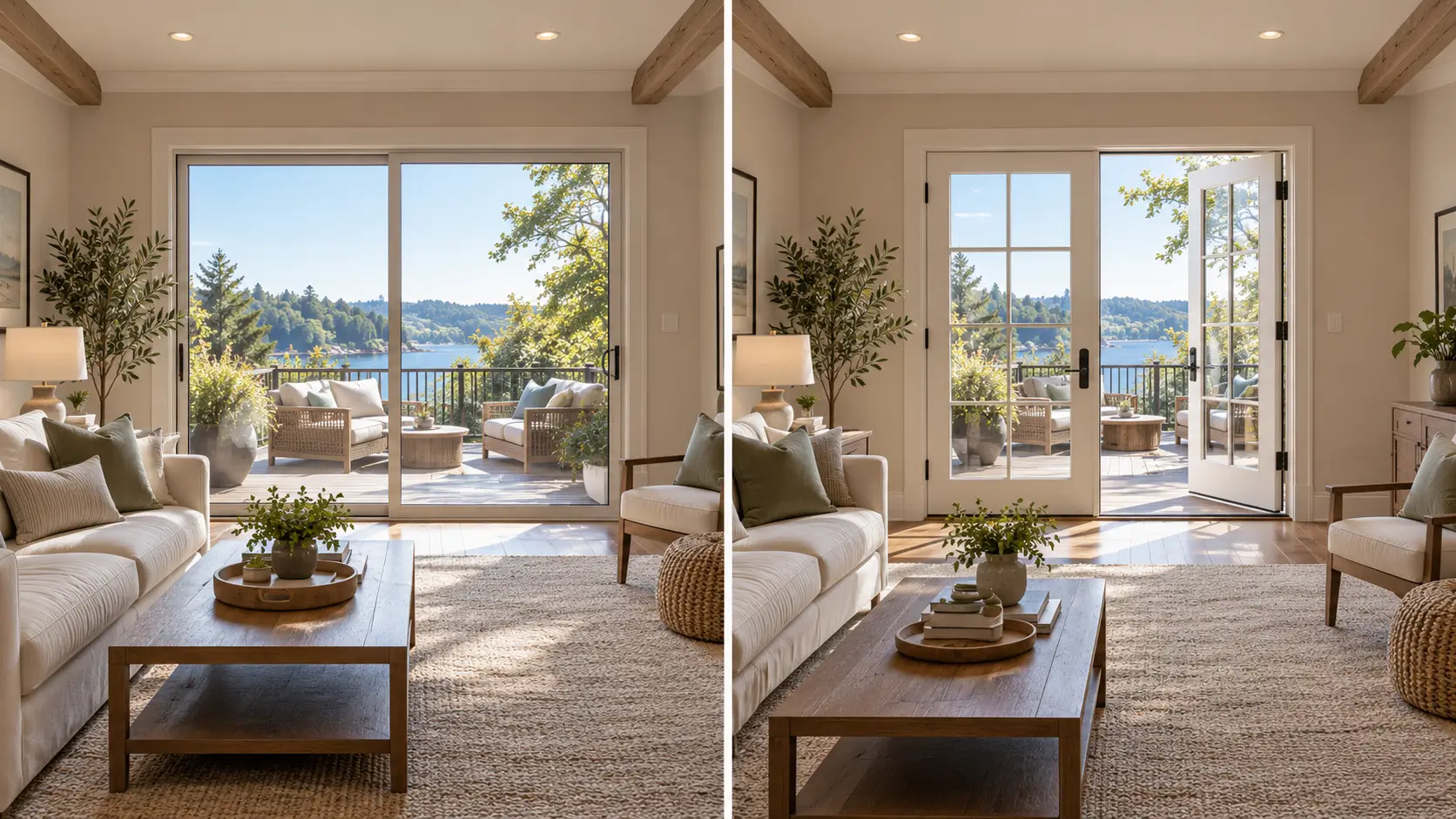
Yes. In colder climates, triple-pane glazing with low U-Factor values offers superior insulation. In warmer climates, prioritize windows with low SHGC to limit solar heat gain. Casement windows typically provide tighter seals than sliding units, which can improve thermal performance. Select window styles based on local climate needs.
5. How can I improve the energy efficiency of my existing windows and doors?
Improve existing windows and doors by adding weatherstripping or caulk to seal gaps, and by installing insulating films or shades to reduce heat transfer. Storm windows can provide added protection and insulation. Regular cleaning and seal inspection maintain performance; if these measures do not achieve desired efficiency, consider full replacement with modern units.
6. What should I consider when hiring a professional for installation?
When hiring an installer, verify experience with energy-efficient products, check references and review certifications. Request a detailed written estimate and a clear warranty. Ask about their installation methodology and adherence to industry best practices to ensure correct fitting and maximum energy performance.
7. How do customization options affect the energy efficiency of windows and doors?
Customization can affect efficiency by allowing choices in glazing, frame materials and insulation levels tailored to your climate and functional needs. Account for added costs that bespoke options may incur, and weigh those against anticipated performance and aesthetic benefits.
Conclusion
Investing in energy-efficient windows and doors delivers measurable advantages: reduced operating costs, improved comfort and potential increases in property value. By assessing material, energy ratings and installation quality, homeowners can select solutions that match performance objectives and budget constraints. Explore available high-quality options to identify the best fit for your home and consult qualified professionals to advance toward a more energy-efficient living environment.