Door installation that fits your home—and your budget
Upgrading your doors is one of the simplest ways to improve how your home looks, how it performs, and how it keeps you safe. This guide walks through affordable door installation options: what local contractors bring to the table, how costs are broken down, and which materials give you the best long‑term value. Choosing the right installer and product can protect your comfort, lower energy bills, and lift curb appeal. Read on to learn why local expertise matters and how First Light Windows and Doors helps homeowners get the balance of quality and price right.
In This Article
- Discover the practical benefits of hiring local contractors, including regional expertise and suitable styles.
- Understand the components of door installation costs, from materials to labor, to budget effectively.
- Compare fiberglass, steel, and wood doors to find the best balance of value, durability, and energy performance.
- Explore various door installation services, from exterior replacements to sliding door installations.
- Learn how ENERGY STAR certified and smart doors enhance home comfort and reduce energy bills.
- See how First Light Windows and Doors delivers quality installations with a focus on customer satisfaction and guarantees.
Why choose a local door installation company?
Working with a local installer brings practical benefits. Local contractors know regional building codes, common climate challenges, and styles that suit neighborhood homes. That local knowledge helps ensure your new door is installed correctly and lasts through the seasons.
How local expertise improves installation quality
Installers who work in your area see the same weather, the same framing types, and the same design trends every day. They’ll recommend materials and flashing details that handle rain, wind, or temperature swings. That attention to local conditions leads to a cleaner fit, better sealing, and a finished look that complements your home.
Why personalized service matters
Personalized service makes the project smoother. Local companies typically offer direct communication with the crew or project manager, so decisions are clear and timelines are realistic. That one‑on‑one interaction builds trust, and satisfied customers often point to clear communication and follow‑through as the reason they’d recommend their installer.
How do door installation costs break down for residential projects?
Budgeting for a new door starts with understanding the parts of the bill: the door itself, hardware, any finish or glass, and labor. Unexpected framing repairs or custom sizing can add time and cost. Knowing these factors helps you compare quotes fairly.
What drives door installation pricing?
Material choice is usually the biggest variable—fiberglass, steel, and wood each carry different price and maintenance expectations. Labor costs depend on the opening’s condition and how complex the install is; custom trims, sidelights, or structural adjustments require more time. When you request estimates, ask installers to itemize materials and labor so you can make an apples‑to‑apples comparison.
How homeowners keep replacement costs affordable
You can reduce costs by choosing durable, low‑maintenance materials and by scheduling work during slower seasons when contractors may offer better pricing. Getting multiple quotes, bundling with other projects, and sticking to common sizes also helps keep expenses predictable without sacrificing quality.
Which door materials give the best value and energy efficiency?
Material selection affects appearance, durability, maintenance, and thermal performance. Match the material to your priorities—security, weather resistance, or authentic wood grain—and you’ll get the best return on your investment.
Benefits of fiberglass, steel, and wood doors
Fiberglass delivers strong durability and excellent insulation with minimal upkeep—great for energy savings and long life. Steel doors offer top security and a lower purchase price, though they can require rust protection over many years. Wood gives unmatched natural beauty and customization options but typically needs more maintenance. Each material can be the right choice depending on your goals.
When picking an entry door, consider aesthetics, security, energy performance and how the material will age in your climate.
Entry Door Selection: Aesthetics, Security & Energy Efficiency
Your front door affects curb appeal, safety, and heating or cooling costs. Balancing those priorities—especially when choosing between steel and fiberglass—helps you pick a door that fits your family’s needs and your home’s climate.
How materials affect long‑term savings and upkeep
Choosing energy‑efficient doors—like insulated fiberglass or properly insulated steel—can lower heating and cooling costs over time. Materials that resist rot, rust, or fading also cut maintenance expenses. Investing a bit more up front for a well‑built product and a precise installation often pays off through years of reduced repairs and lower utility bills.
What residential door installation services are available?
Installers offer a range of services from simple door swaps to full‑frame replacements and custom openings. Knowing which service you need helps set expectations on cost, timeline, and disruption to your home.
How exterior door replacement boosts security and curb appeal
Replacing an exterior door can upgrade locks, improve weather sealing, and refresh your home’s look. A new entry door with modern hardware makes your home more secure and often gives the facade a cleaner, more polished appearance—something buyers and neighbors notice.
Benefits of sliding door installation
Sliding doors are ideal when you want more natural light and easy access to patios or decks without taking up swing space. Modern sliding systems can be highly energy efficient and provide large, unobstructed sightlines to the outdoors.
How do energy‑efficient doors improve comfort and cut costs?
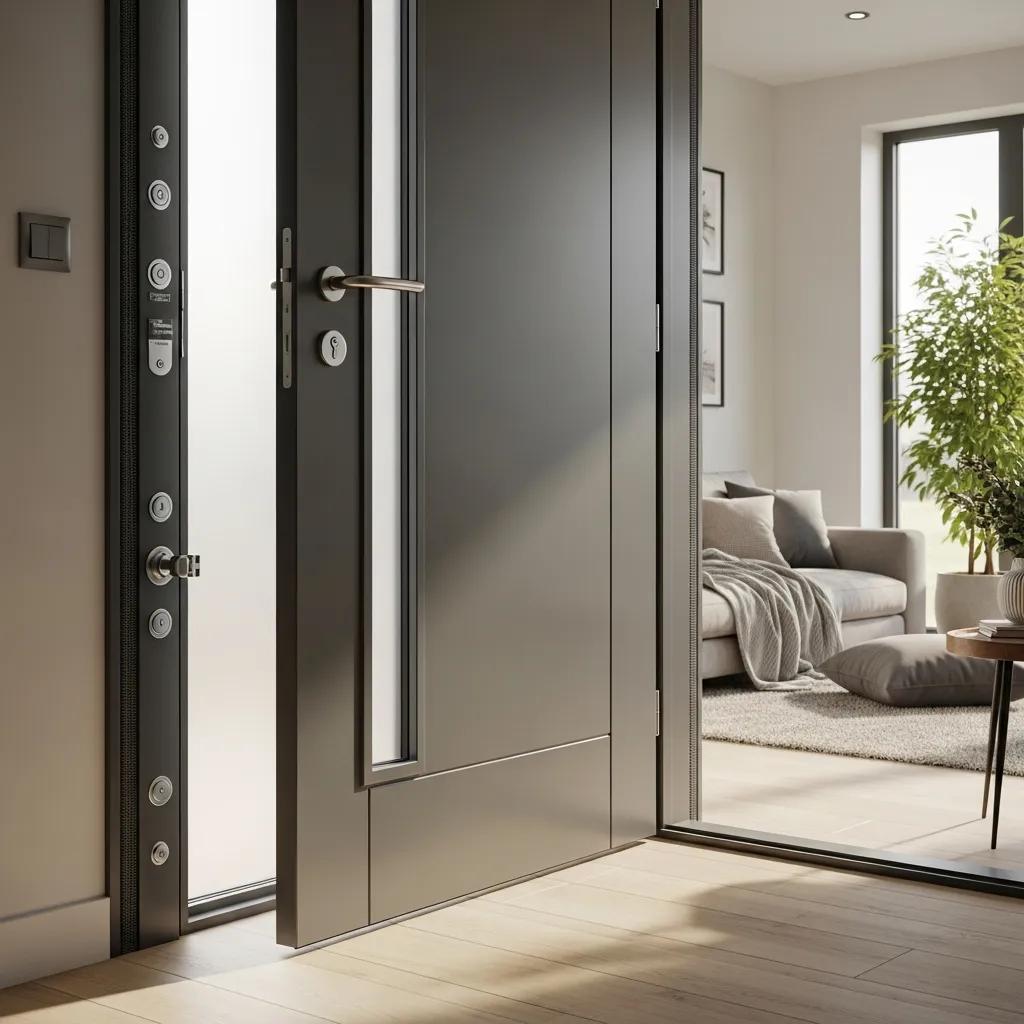
Energy‑efficient doors minimize heat transfer and drafts, helping your HVAC system maintain a steady temperature. That leads to a more comfortable home and lower energy bills—especially in climates with hot summers or cold winters.
Why ENERGY STAR certification matters
ENERGY STAR‑rated doors meet EPA standards for thermal performance. Choosing certified products ensures you’re buying tested materials that deliver measurable efficiency improvements, which can translate into energy savings over the door’s lifetime.
Can smart door tech help with efficiency?
Smart locks and sensors don’t directly insulate a door, but they help prevent avoidable energy loss by alerting you if a door is left open or unlocked. Integrating smart hardware with quality seals and weather stripping adds convenience and can indirectly support energy savings.
How does First Light Windows and Doors ensure quality and customer satisfaction?
At First Light, we pair experienced installers with clear communication and a focus on durable results. Our goal is a clean installation, proper sealing, and a finished product that meets your expectations.
What does the door installation process look like?
Our process starts with a consultation to understand your needs, followed by accurate measurements and material recommendations. We schedule the install, complete the work with attention to detail, and finish with a walk‑through to ensure everything is right before we leave.What does the 2‑year labor guarantee cover?
We back our workmanship with a 2‑year labor guarantee. If any installation‑related issues arise during that period, we’ll return to fix them at no extra labor cost—so you can count on us to stand behind the job.
This table shows typical costs and relative energy performance to help you weigh options against your budget and efficiency goals.
Understanding services, materials, and the benefits of a local installer makes it easier to plan a door project that improves your home’s comfort, security, and curb appeal. With the right choices, a new door can be a modest investment that pays back for years.
Frequently Asked Questions
What should I consider when choosing a door style for my home?
Pick a style that matches your home’s architecture and your daily needs. Think about security, light, and whether you want low maintenance or authentic wood grain. Color, glazing, and hardware also influence the final look—consulting a local pro can help you choose a style that fits the neighborhood and your budget.
How long does the door installation process typically take?
Most straightforward door swaps take a few hours to a day. If the project requires framing repairs, custom sizing, or new trim, it can take several days. Your installer should give you a timeline during the estimate so you know what to expect.
Are there maintenance tips for keeping my doors in good condition?
Regularly clean surfaces and check seals, hinges, and weather stripping. Refinish or repaint wood doors as needed to prevent moisture damage. Inspect steel for signs of rust and touch up paint, and clean fiberglass with mild soap and water. Small repairs now prevent larger problems later.
What energy-saving features should I look for in a door?
Look for insulated cores, good weather stripping, and Low‑E glass where applicable. ENERGY STAR certification is a reliable indicator of energy performance. Proper installation—sealing gaps and flashing correctly—is just as important as the door itself for reducing drafts and heat loss.
Can I install a door myself, or should I hire a professional?
If you have carpentry experience and the opening is standard, a DIY swap is possible. For custom openings, structural changes, or a guaranteed weather‑tight seal, hiring a professional is the safer choice. Professionals bring tools, experience, and warranty protection that protect your investment.
What are the signs that I need to replace my doors?
Replace doors that show cracks, warping, rust, persistent drafts, or difficulty operating. Increased energy bills, water infiltration, or failing hardware are also signs it’s time for a new door. A professional inspection can confirm whether repair or replacement is the better option.
Conclusion
A thoughtful door upgrade pays off in looks, security, and comfort. Choosing a local, experienced installer like First Light Windows and Doors gives you practical guidance on materials and a professional installation backed by our 2‑year labor guarantee. When you weigh cost, durability, and energy performance, you can select a solution that fits your home and budget—transforming both appearance and daily comfort.