Casement vs Traditional Windows — Which Is the Better Fit for Your Home?
Choosing the right windows affects comfort, energy bills, and how your home looks. This guide compares casement windows with classic styles like double-hung and sliding, so you can decide with confidence. We’ll cover how each window works, their pros and cons, energy performance, security and upkeep, plus how local climate and architecture should influence your choice. Finally, learn why Beverly-based First Light Windows and Doors is a partner homeowners trust for replacements.
What Are Casement Windows — and Why Homeowners Like Them
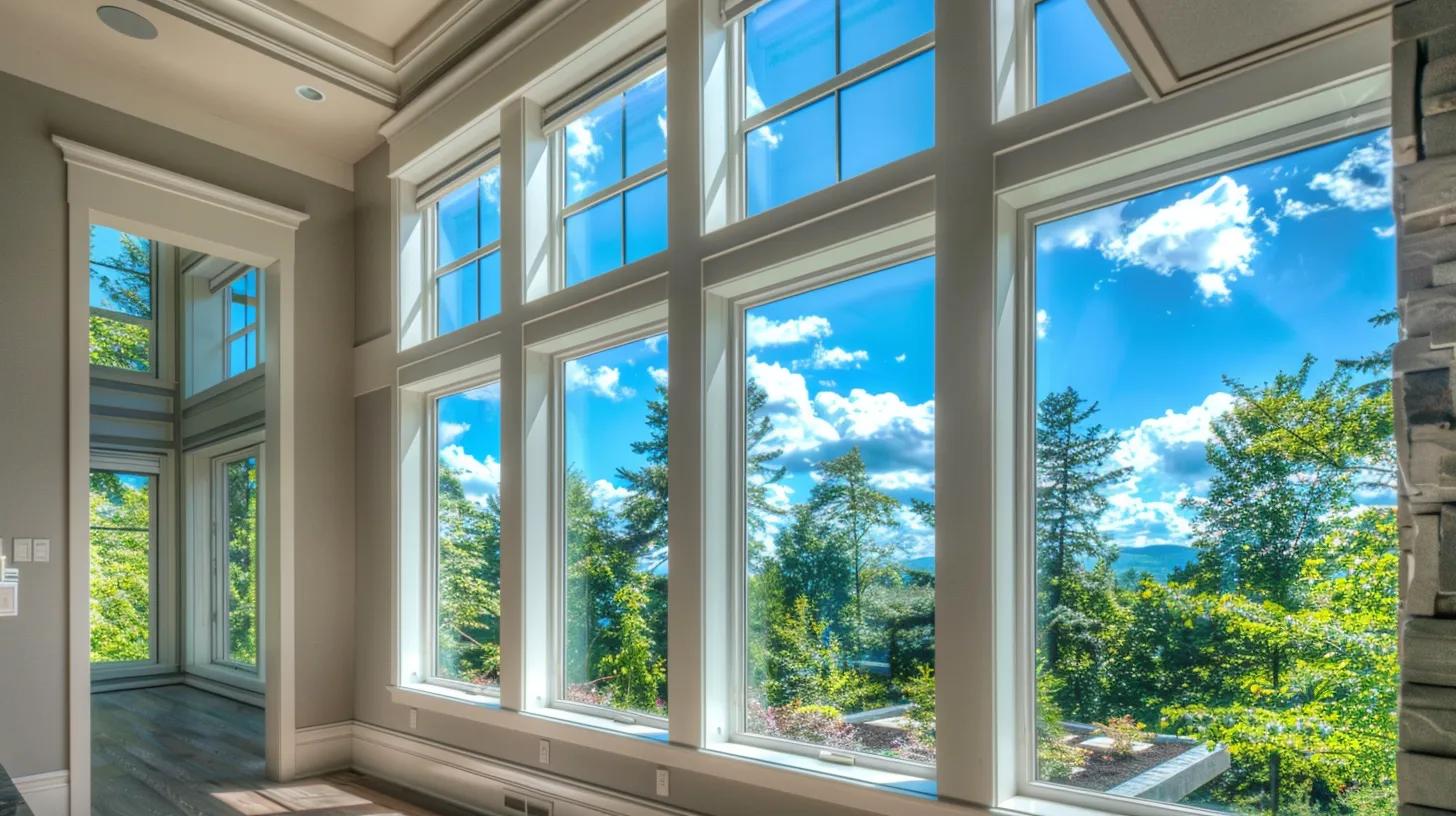
Casement windows hinge at the side and swing outward on a crank, giving you excellent ventilation and clear sightlines. With a single sash that opens fully, they’re easy to reach and operate, and when closed they form a snug seal that helps lower heating and cooling costs.
How Casement Windows Work and What Sets Them Apart
Casement windows open with a simple crank that pushes the sash outward, creating an unobstructed view and strong airflow. The single-sash design makes inside cleaning straightforward, and the outward opening helps capture breezes more effectively than many traditional styles.
What to Expect — Benefits and Drawbacks of Casement Windows
Casement windows deliver several clear advantages:
- Energy Efficiency: The sash presses tightly into the frame when closed, reducing drafts and improving insulation.
- Ventilation: Because they open fully, casement windows let in more fresh air than many other styles.
- Visual Appeal: Their clean, modern lines can update a home’s look and provide wide, unobstructed views.
There are a few trade-offs to consider:
- Cost: Casements can cost more up front than some traditional options.
- Maintenance: The crank and hardware need occasional lubrication and inspection to keep working smoothly.
- Exposure: Outward-opening sashes can be affected by severe winds or debris if they’re not properly installed or protected.
What Counts as a Traditional Window — Double-Hung, Sash, and Sliding Explained

Traditional windows—like double-hung, sash, and sliding styles—have been reliable choices for decades. They suit many architectural looks and offer familiar operation that’s easy for most homeowners to use and maintain.
How Double-Hung and Sash Windows Operate
Double-hung windows have two vertically sliding sashes, so you can open the top, the bottom, or both for flexible airflow while keeping safety in mind. Sash windows, common in older homes, work similarly but often show more historic detailing. Many modern versions tilt in for easier cleaning, though that feature varies by model.
Traditional Windows — Strengths and Limitations
Traditional windows bring dependable benefits:
- Classic Look: They complement many home styles, particularly older or period architecture.
- Flexible Venting: Opening top or bottom sashes gives you more control over airflow.
- Lower Initial Cost: Generally more budget-friendly than casement options.
But they do have drawbacks to weigh:
- Energy Performance: They typically don’t seal as tightly as casements, which can increase energy use.
- Airflow: Even open, they may not move as much air as a fully opened casement.
- Upkeep: Older wooden frames may need regular painting, sealing or repair to prevent rot.
Energy Efficiency and Ventilation — How the Window Types Compare
On balance, casement windows often lead in both airtightness and airflow. Their closing mechanism pulls the sash into the frame, cutting down on air leakage compared with many traditional designs.
Why Casement Windows Tend to Be More Energy Efficient
Casements form a tight compression seal against their frames, which reduces drafts and helps keep indoor temperatures steady. Many are also available with performance upgrades—double or triple glazing and Low-E coatings—that further reduce heat transfer.
Which Window Type Gives Better Ventilation for Comfort?
Because casements open wide, they generally provide stronger ventilation than windows that only open partway. That makes them a solid choice for kitchens, bathrooms, and any room where fresh air and quick airflow matter.
Security, Maintenance, and Cost — Practical Differences to Consider
Security, upkeep, and price are practical concerns that often decide which window people choose. Each style has pros and cons depending on your priorities.
Security Features — How Casement and Traditional Windows Compare
Casement windows commonly include multi-point locking systems that secure the sash at several spots along the frame, improving protection. Traditional windows typically use more basic single-point locks, so you may want to add upgrades if security is a top concern.
Maintenance Needs and Cost Considerations for Each Style
Casements need occasional care for the crank and hardware; traditional windows may need painting, sealing, or sash repairs—especially in older homes with wood frames. Casements usually cost more up front, but their efficiency can lower energy bills over time.
Which Window Type Works Best for Your Beverly, MA Home?
Picking the right window depends on your home’s style and the local weather. Beverly’s mix of cold winters, warm summers, and coastal winds affects which features matter most.
How Beverly’s Climate and Local Architecture Should Guide Your Choice
Because Beverly can see strong coastal winds and temperature swings, windows that seal well—like casements—can help reduce drafts and energy loss. Meanwhile, traditional windows often match older or historic homes more sympathetically. Consider both performance and appearance when deciding.
Best Rooms for Casement vs. Traditional Windows
Casement windows are a great pick for kitchens, bathrooms, and other spots where ventilation and unobstructed views are priorities. Traditional windows work well in living rooms and bedrooms where looks, ease of use, and classic proportions matter most.
Why First Light Windows and Doors Is a Good Choice for Replacement
First Light Windows and Doors combines local know-how with hands-on service. As a family-owned Beverly business, we focus on quality products and installations tailored to the area’s needs—so your new windows perform and look right for years.
Our Installation Process and the 2‑Year Labor Guarantee
We handle each project from selection through final installation, keeping you informed at every step. Our installations come with a 2-year labor guarantee so you can be confident the job was done properly and that we’ll stand behind our work.
How Local Expertise Benefits Beverly Homeowners
Being local means we understand area building practices, common house styles, and what performs best in our climate. That insider knowledge helps us recommend the right materials and installation approach for your home—supporting both comfort and curb appeal.
The table summarizes the main differences—showing why casement windows often lead in efficiency and airflow while traditional styles remain solid, versatile choices.
Choosing the right windows comes down to balancing energy efficiency, ventilation, security, and style. For many homeowners, casement windows offer notable performance advantages. Paired with First Light Windows and Doors’ local expertise, your replacement project can both improve comfort and boost your home’s look.
Frequently Asked Questions
What are the typical costs associated with installing casement windows?
Costs vary by size, materials and installation complexity. Expect a typical range of $300 to $1,000 per window installed. While casements can cost more up front, their energy savings often offset some of that over time. We recommend getting a few local quotes to compare options.
How do I maintain casement windows to ensure their longevity?
Maintenance is straightforward: check and lightly lubricate the crank and hardware as needed, inspect seals and weatherstripping, and clean glass and frames with suitable cleaners. Scheduling a professional inspection every few years can catch issues early.
Can casement windows be installed in all types of homes?
Yes—casement windows suit modern, traditional and transitional homes. Their clean sightlines work well in many settings, though structural factors and local codes can influence placement and style. A professional assessment will confirm what’s best for your house.
What energy-efficient features should I look for in casement windows?
Look for double- or triple-pane glazing, Low-E coatings, and argon or krypton gas fills between panes. A tight frame seal and Energy Star certification are also key indicators of good energy performance.
Are there any specific building codes for window installation in Beverly, MA?
Yes—Beverly has building codes that affect window replacements, from permits to energy requirements and rules for historic properties. Check with the Beverly Building Department or work with a licensed contractor to ensure compliance and avoid potential issues.
What are the best window treatments for casement windows?
Roller shades, cellular shades and sheer curtains fit well because they sit close to the frame and don’t interfere with the crank. Plantation shutters can also be custom-fit and provide great light control and privacy. Just make sure the treatment won’t block the operable hardware.
Conclusion
Your window choice should balance efficiency, airflow, security and style. Casement windows often stand out for airtight performance and ventilation, while traditional windows remain attractive and practical for many homes. With First Light Windows and Doors guiding the process, you’ll get solutions that suit Beverly’s climate and your home’s character. Explore our window options to find the right fit.