Explore Window Options for a Contemporary Look
Modern Energy-Efficient Windows
Selecting the right windows is key to contemporary style and reduced energy use. This guide outlines efficient window types, the role of energy ratings, savings-maximizing options, and how custom frames affect design.
Careful selection of a building’s fenestration system significantly affects energy performance, occupant comfort, and interior ambiance.
Fenestration Systems: Energy, Comfort & Aesthetics
The selection of a fenestration system for a building is critical, as it impacts energy performance, occupant comfort, and ambiance of a space. Complex Fenestration Systems (CFS) address these criteria using a wide variety of novel technologies but are difficult to define or be characterized.
Component modeling methodology for predicting thermal performance of nonresidential fenestration systems, MS Bhandari, 2004
What Are the Best Energy-Efficient Windows for Modern Homes?
A few window types balance modern aesthetics with strong thermal performance.
- Double-Pane Windows : Two glass layers create an insulating cavity that reduces heat transfer and stabilizes indoor temperatures.
- Low-E Glass Windows : Low-emissivity coatings reflect heat while admitting light, improving year-round comfort.
- Vinyl Windows : Durable and low-maintenance, vinyl windows offer good insulation and come in many contemporary styles.
Combining these types can deliver both energy savings and a modern appearance.
How Do Energy Ratings Impact Window Performance?
Energy ratings from organizations such as the National Fenestration Rating Council (NFRC) summarize thermal and solar performance. Key metrics include U-factor (insulation) and Solar Heat Gain Coefficient (SHGC).
Using ratings helps match window performance to climate and goals: lower U-factors for insulation, and SHGC chosen for seasonal solar control.
Which Window Types Offer Optimal Energy Savings?
Certain constructions deliver the best savings in demanding climates:
- Triple-Pane Windows : Extra glass and cavities increase insulation in cold or extreme conditions.
- Gas-Filled Windows : Argon or krypton fills reduce conduction between panes.
- Low-E Coated Windows : Coatings reduce unwanted heat gain or loss while keeping daylight.
Choose combinations (e.g., triple-pane with gas fill and Low-E) to maximize efficiency where needed.
How Can Custom Modern Window Frames Enhance Contemporary Designs?
Custom frames let you coordinate materials, finishes, and proportions to support contemporary architecture and larger glass areas.
They enable wider sightlines, increased daylight, and finishes that integrate with interiors and exteriors.
What Materials Are Ideal for Custom Window Frames?
Common frame materials combine durability and appearance:
- Fiberglass : Strong, thermally stable, and paintable.
- Vinyl : Low maintenance with good insulation.
- Wood : Classic appearance; requires upkeep.
Select the material that matches climate, maintenance tolerance, and design goals.
How Does Customization Improve Style and Functionality?
Custom options — from integrated blinds to specialty coatings — let you tailor light control and thermal performance while preserving style.
Thoughtful specification ensures windows meet both aesthetic and operational requirements.
What Are the Leading Contemporary Window Materials Available?
Materials influence durability, finish, and thermal behavior. Common choices include:
- Aluminum : Slim profiles and color options; add thermal breaks for performance.
- Composite : Combines strengths of different materials for durability and look.
- Vinyl : Cost-effective and energy-efficient for many projects.
Match material to design intent and insulation needs.
Vinyl vs. Wood vs. Fiberglass: Which Material Suits Your Home?
Choose based on budget, appearance, and upkeep: vinyl for low cost, wood for classic finishes, fiberglass for durability and thermal stability.
- Vinyl : Affordable, low maintenance.
- Wood : Warm aesthetic; periodic maintenance required.
- Fiberglass : Durable and energy-efficient.
Prioritize the factors most important for your climate and design.
How Do Sustainable Materials Contribute to Modern Window Design?
Recycled or responsibly sourced materials reduce embodied carbon and can be paired with efficient glazing to lower lifecycle impact.
Selecting sustainable materials and durable designs supports long-term performance and reduced environmental footprint.
Which Stylish Window Treatment Ideas Complement Modern Windows?
Treatments refine appearance and light control. Consider:
- Sheer Curtains : Soft light and privacy.
- Roller Shades : Clean lines and modern simplicity.
- Plantation Shutters : Adjustable light control with a classic touch.
Choose treatments that enhance both form and function.
What Window Treatments Enhance Energy Efficiency?
Insulating treatments reduce heat transfer and improve comfort:
- Thermal Curtains : Add insulation across the window opening.
- Cellular Shades : Honeycomb pockets trap air for insulation.
- Window Films : Reflect heat and UV to lower cooling demand.
Use treatments strategically by season and exposure for measurable savings.
How to Choose Treatments That Match Contemporary Aesthetics?
Balance minimal lines, material quality, and color to complement modern architecture:
- Minimalistic Designs : Clean silhouettes support modern decor.
- Bold Colors : Use sparingly to create contrast.
- Sustainable Materials : Align treatments with environmental goals.
Focusing on these elements ensures treatments feel cohesive and purposeful.
To explore options and discuss specific requirements, please contact us for a consultation.
Frequently Asked Questions
What are the benefits of energy-efficient windows beyond energy savings?
They stabilize indoor temperatures, reduce noise, protect interiors from UV fading, and can increase property value.
How do I know if my current windows are energy-efficient?
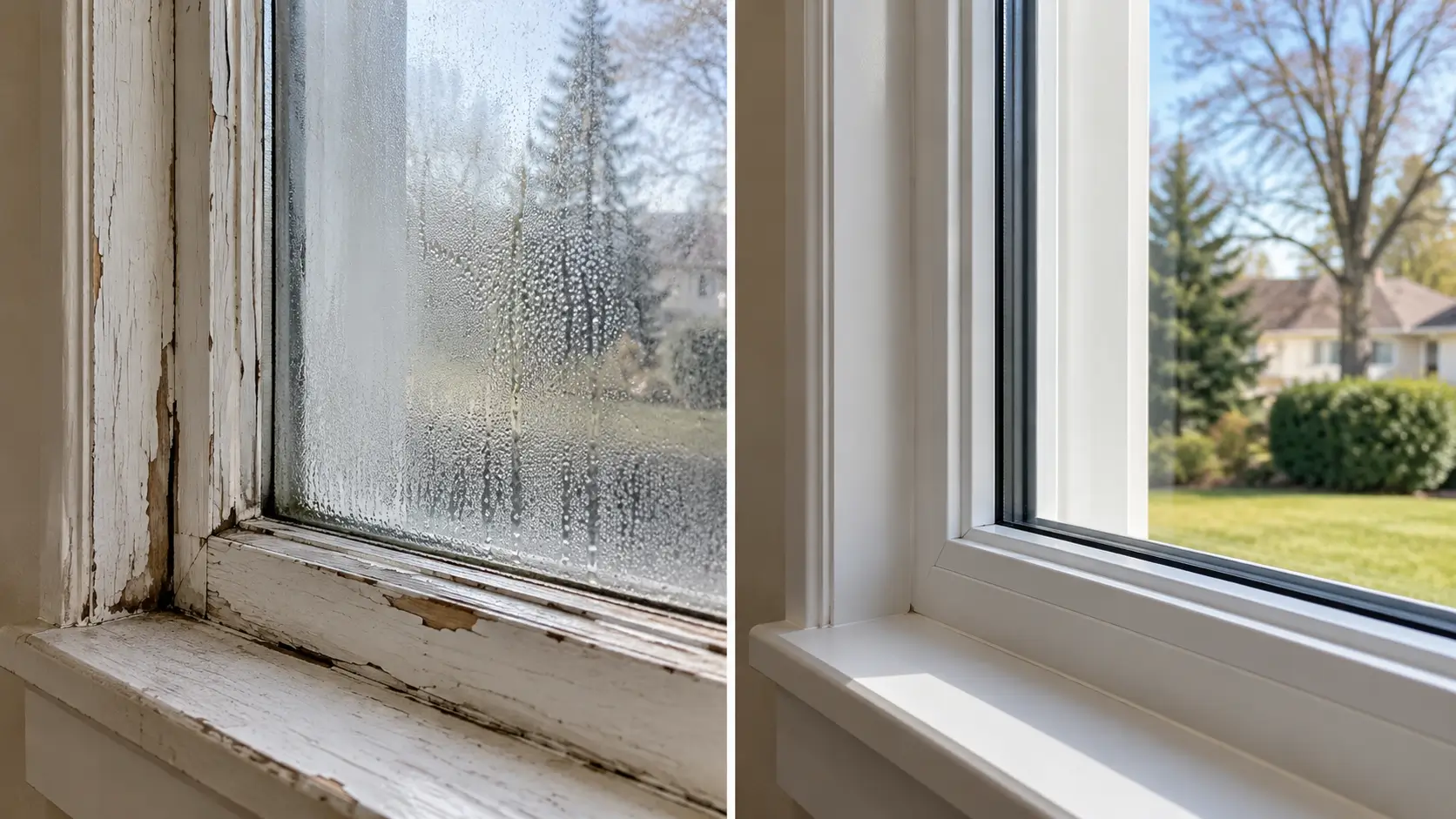
Check NFRC labels for U-factor, SHGC and VT, and inspect for drafts or inter-pane condensation as signs of poor performance.
What is the lifespan of energy-efficient windows?
Lifespan depends on material and installation: vinyl and fiberglass often last decades; wood typically needs more upkeep.
Are there any tax credits or incentives for installing energy-efficient windows?
Incentives vary by country, state, and utility. Verify local programs or consult a tax professional for eligibility.
How can I maintain my energy-efficient windows for optimal performance?
Clean glass and frames, check seals and weatherstripping, and address condensation or drafts promptly to preserve efficiency.
What are the most common mistakes homeowners make when choosing windows?
Common errors are prioritizing style over ratings, ignoring climate needs, and selecting the lowest-cost option without considering performance.
Conclusion
Energy-efficient windows improve appearance, comfort, and operating costs. Use energy ratings and targeted materials or coatings to match performance to climate and design. Review product options and consult with a professional to select windows that deliver both style and efficiency.