What Are the Best Window Styles for Modern Homes
Top Window Styles for Modern Homes
Choosing the right window style affects a home’s look, daylighting, ventilation, and energy performance. This guide summarizes popular modern window types, key materials and glazing options, installation steps, and current design trends to help homeowners make informed selections.
Key Takeaways
- Casement, sliding, and picture windows suit modern designs with clean lines.
- Casement windows are versatile and often energy-efficient.
- Awning windows ventilate during light rain and suit many climates.
- Picture windows maximize light and frame views.
- Double-pane, triple-pane, and Low-E glass reduce heat transfer.
- Vinyl, wood, and aluminum differ in insulation, upkeep, and appearance.
- Minimalist frames and smart glazing boost aesthetics and function.
- Sustainable materials, coatings, and smart tech are growing trends.
- Local installers provide code knowledge and tailored service.
Which Window Styles Best Complement Modern Home Designs?
Modern residential design favors simple forms and functional glazing. Common choices include:
- Casement Windows: Open outward for strong ventilation and unobstructed sightlines.
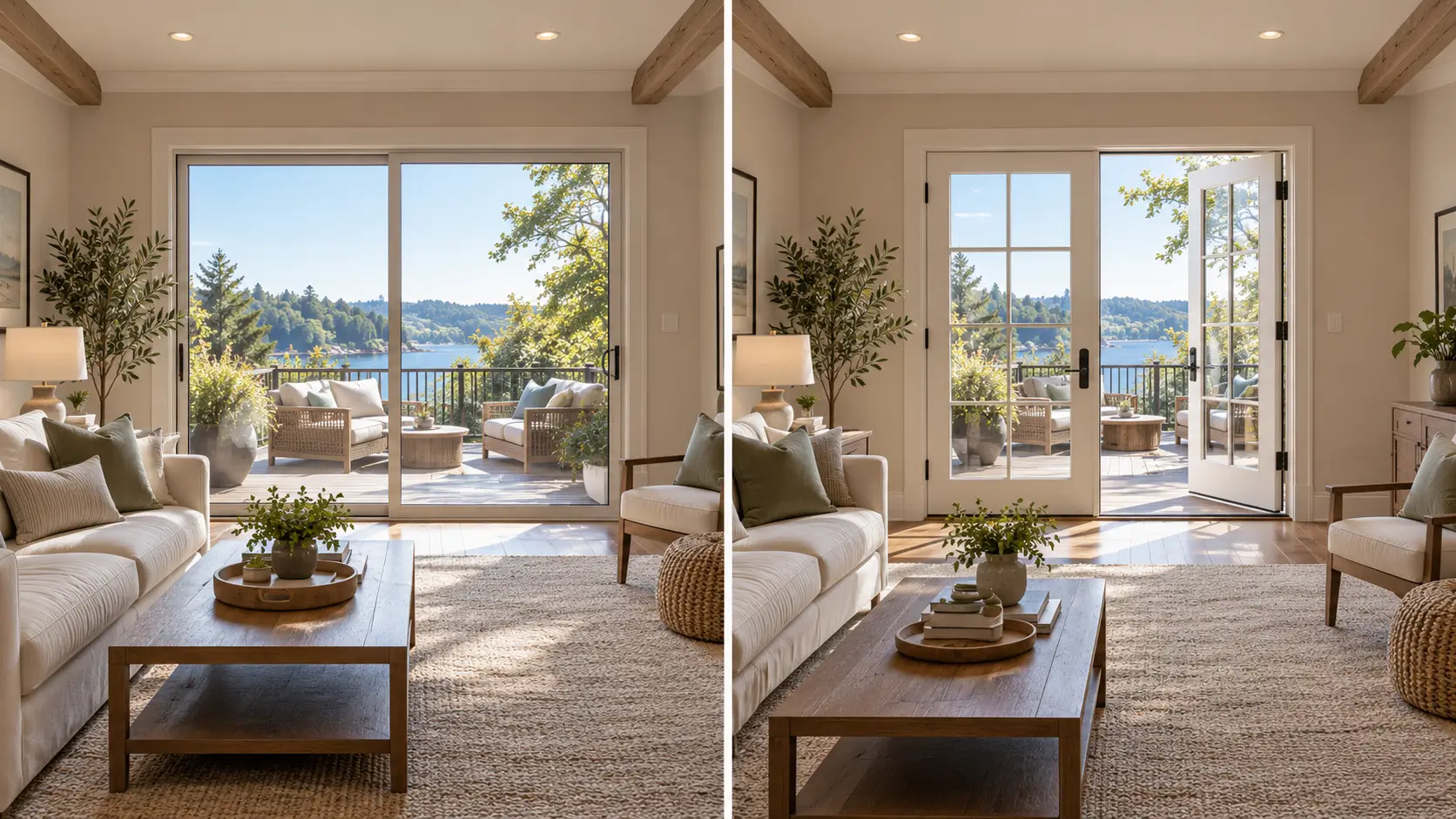
- Sliding Windows: Space-efficient, contemporary look, easy to operate.
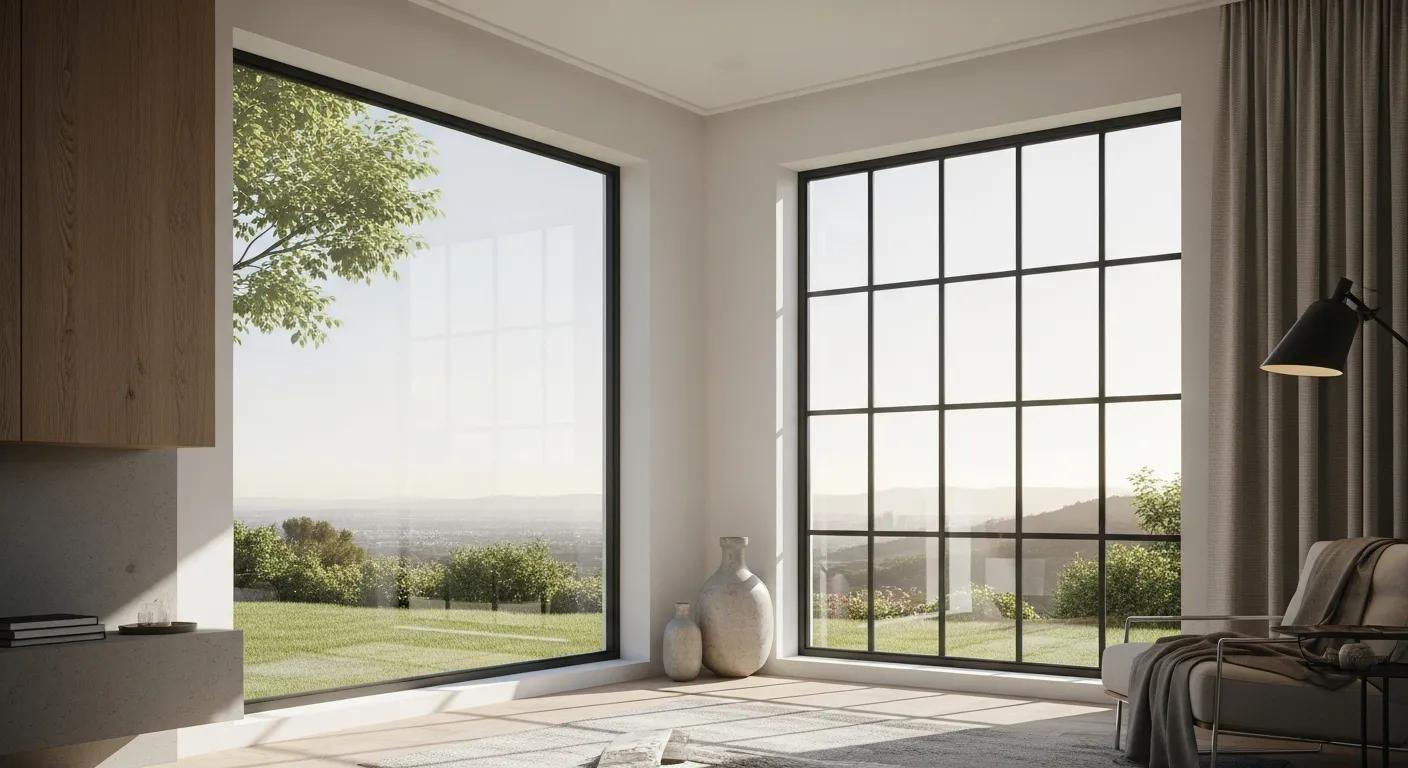
- Picture Windows: Fixed units that maximize daylight and views.
These styles deliver the clean profiles and daylight priorities typical of contemporary architecture.
What Are the Characteristics of Casement, Awning, and Picture Windows?
Each type suits different needs in modern homes:
- Casement Windows: Side- or top-hinged, tight seals, good ventilation control.
- Awning Windows: Top-hinged; allow airflow while shedding light rain.
- Picture Windows: Non-operable, large glass areas for framing views and admitting light.
Choose based on ventilation needs, view priorities, and placement.
How Do Contemporary Window Shapes Enhance Modern Architecture?
Window geometry contributes to daylighting, aesthetics, and architectural expression:
- Increasing Natural Light: Larger glass areas brighten interiors and connect indoors to outdoors.
- Aesthetic Appeal: Geometric or asymmetrical openings create focal points.
- Versatility in Design: Custom shapes adapt to minimalist, industrial, and other styles.
Thoughtful shapes improve ambience while supporting design intent.
What Are the Top Energy-Efficient Window Options for Modern Homes?
Energy-conscious homeowners typically choose from:
- Double-Pane Windows: Two glass layers with a gap for improved insulation over single-pane.
- Triple-Pane Windows: Extra insulation for cold or extreme climates.
- Low-E Glass Windows: Coatings that limit heat transfer while admitting visible light.
These glazing choices reduce heating and cooling loads and improve comfort.
Further research explains how low-emissivity glass reduces energy consumption and optimizes solar heat gain.
Low-E Glass for Optimal Solar Heat Gain & Energy Savings
This study examined the solar heat gain coefficient of aluminum-doped ZnO (AZO) low-emissivity (low-e) glass. Silver-based low-e coatings provide strong solar shading, which can be disadvantageous in winter when passive solar heat gain is beneficial. Coatings that transmit near-infrared radiation, such as transparent conductive oxides, can permit useful solar heat entry under cold conditions.
Solar heat gain coefficient and heat transmission coefficient of Al-doped ZnO thin-film coated low-emissivity glass, 2020
How Do Vinyl, Wood, and Aluminum Window Materials Compare in Energy Efficiency?
Common frame materials offer different balances of insulation, maintenance, and aesthetics:
- Vinyl Windows: Low-maintenance, good insulating value, cost-effective.
- Wood Windows: Attractive, naturally insulating, require periodic upkeep.
- Aluminum Windows: Durable and slim-profile; thermal breaks improve performance.
Selection depends on climate, maintenance tolerance, and desired appearance.
What Are the Benefits of High Energy Rating Glass Types Like Low-E and Triple Pane?
High‑rating glazing improves comfort and reduces operating costs:
- Reduced Heat Transfer: Low-E coatings limit unwanted solar or conductive heat flow.
- Improved Insulation: Triple-pane glazing increases R-value for colder climates.
- Lower Energy Bills: Better glazing lowers heating and cooling demand over time.
Specifying upgraded glazing helps long-term efficiency and occupant comfort.
How Should Homeowners Approach Window Installation for Modern Homes?
When planning window installation, follow a simple process:
- Understanding Local Permits: Confirm codes and obtain permits before work begins.
- Choosing the Right Windows: Match style, material, and energy ratings to needs and budget.
- Selecting a Qualified Installer: Hire experienced professionals familiar with modern systems.
These steps help ensure compliance, performance, and a proper fit.
What Are the Key Steps in Professional Window Installation?
A standard professional installation includes:
- Removal of Old Units: Careful removal to protect surrounding structure.
- Installation of New Units: Proper leveling and secure fitting in the prepared opening.
- Sealing and Finishing Touches: Weatherproofing, trim, and caulking to preserve the thermal envelope.
Proper sequencing preserves performance and prevents leaks or drafts.
Why Choose Local Installation Services in Beverly MA for Modern Windows?
Local providers offer practical advantages:
- Local Expertise: Knowledge of climate issues and regional code requirements.
- Tailored Solutions: Custom recommendations suited to local homes.
- Quality Installation: Local reputation encourages reliable workmanship.
Working with nearby installers typically improves response time and accountability.
What Are the Latest Trends in Modern Window Styles for 2023-2026?
Designers and manufacturers emphasize:
- Minimalist Frames: Slim sightlines to maximize glass area.
- Smart Windows: Electrically switchable tint or automated shading for comfort and efficiency.
- Sustainable Materials: Recyclable components and low-impact manufacturing.
These trends balance form, function, and environmental concerns.
How Are Minimalist Frame Designs and Smart Windows Shaping Modern Homes?
Key impacts include:
- Enhancing Aesthetics: Cleaner views and contemporary character.
- Improving Functionality: Automated tinting and integrated controls improve comfort.
- Promoting Sustainability: Energy-saving glazing and materials reduce lifecycle impact.
Combined, these approaches raise both visual and operational performance.
What Sustainability Features Are Emerging in Contemporary Window Designs?
Notable sustainable features include:
- Recyclable Materials: Frames and components designed for reuse or recycling.
- Energy-Efficient Coatings: Low-E and spectrally selective coatings that cut energy transfer.
- Smart Technology Integration: Sensors and controls that adapt glazing to conditions.
These options support lower embodied and operational carbon footprints.
For expert assistance, contact us to explore tailored solutions for your modern home.
Frequently Asked Questions
What factors should I consider when choosing window styles for my modern home?
Consider architectural style, energy performance, ventilation needs, maintenance, and lifecycle cost when selecting window styles and materials.
How can I improve the energy efficiency of my existing windows?
Seal gaps with weatherstripping or caulk, add window film or thermal shades, and consider upgrading single-pane units to double- or triple-pane glazing if within budget.
What are the advantages of smart windows in modern homes?
Smart windows can reduce HVAC load, control glare and privacy, and integrate with home automation for scheduled or sensor-driven operation.
Are there specific maintenance tips for different window materials?
Clean vinyl with mild soap, repaint or reseal wood as needed, and wash aluminum regularly; inspect seals and weatherstripping annually.
How do I know if I need to replace my windows?
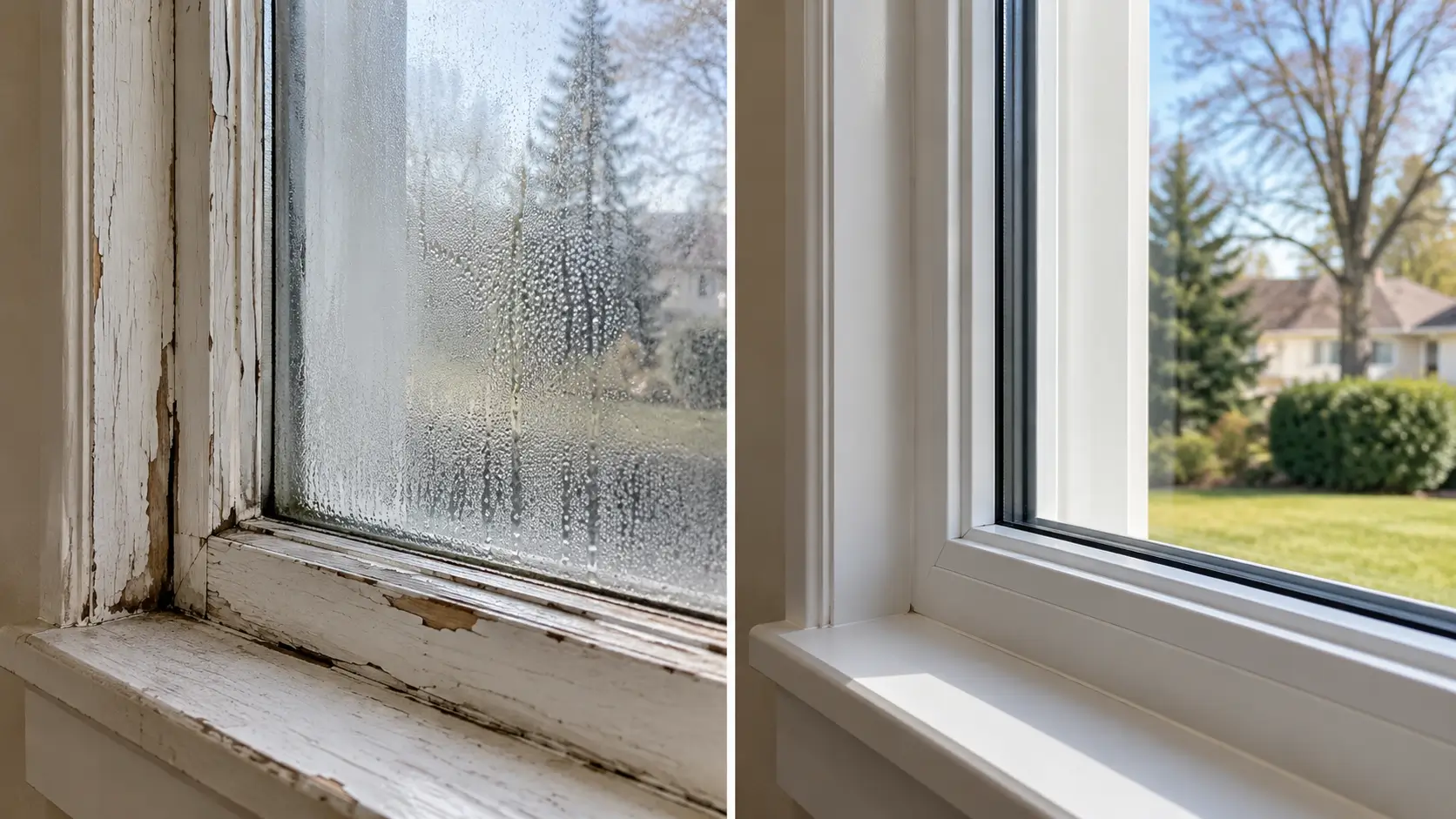
Replace units that are difficult to operate, drafty, cracked, or show condensation between panes, or if energy costs suggest poor performance; get a professional assessment for borderline cases.
What are the benefits of hiring a local installer for window installation?
Local installers provide code compliance, climate-appropriate recommendations, faster support, and accountability tied to community reputation.
Conclusion
Selecting modern window styles involves balancing look, daylight, ventilation, and energy performance. Choose suitable glazing, materials, and a qualified local installer to achieve comfort, efficiency, and the desired aesthetic for your home.