Different Types of Window Installations — A Homeowner’s Guide to Choosing the Right Method
Picking the right installation method makes a big difference in your home’s comfort, curb appeal, and long‑term value. This guide walks you through the common installation options so you can choose the best approach for your house and budget. We’ll explain full‑frame and pocket installs, compare new‑construction versus retrofit jobs, and highlight the factors that usually tip the scales. Along the way you’ll learn why working with a local pro in Beverly, MA can save time, money, and headaches — plus what’s trending in window design and performance for 2024 and beyond.
What Is Full-Frame Window Installation and When Should You Choose It?
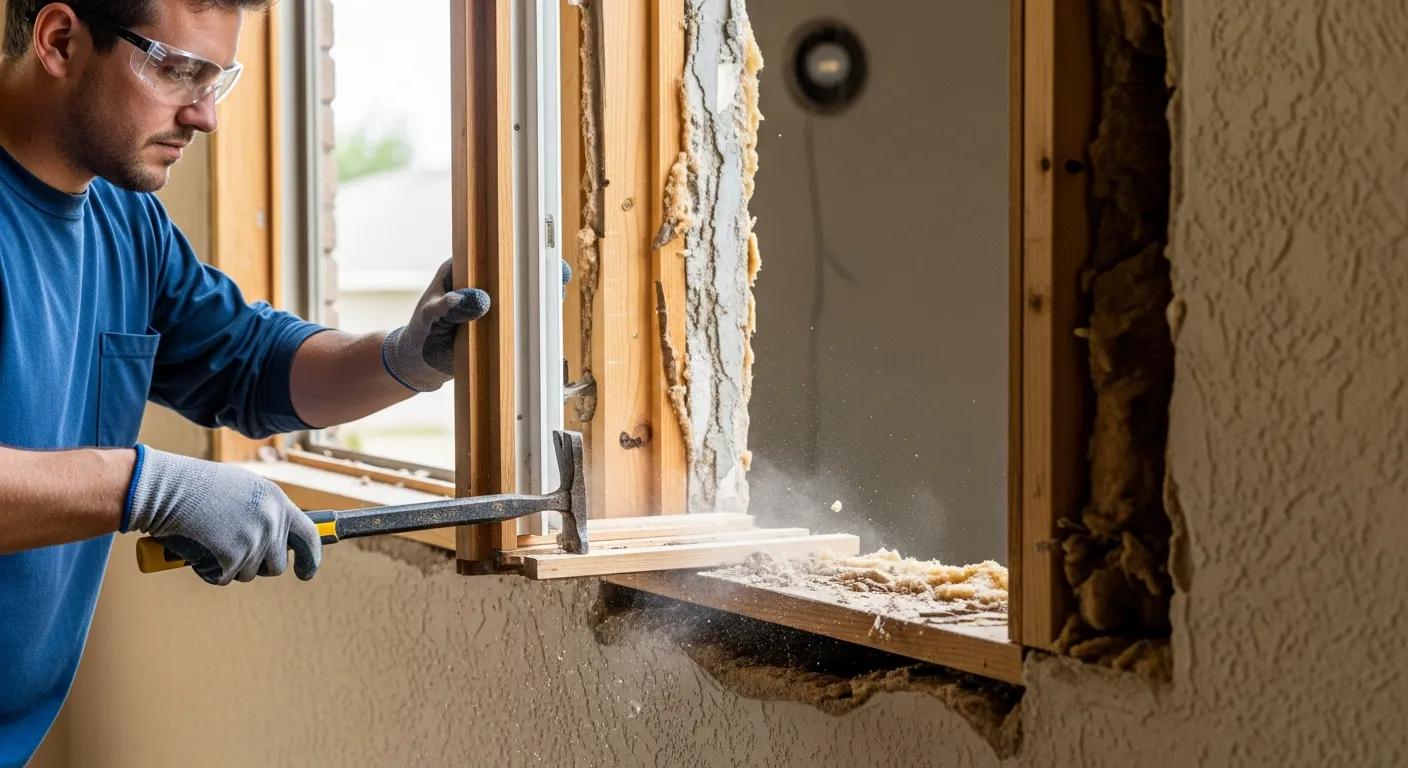
Full‑frame installation means removing the entire existing window — sash, trim, and frame — and installing a brand‑new unit. Homeowners choose this when frames are rotted, warped, or when they want to change the window size or style. It gives installers full access to the surrounding wall so any hidden damage can be repaired, and it’s the best opportunity to add fresh insulation and weatherproofing for improved efficiency.
How Does Full-Frame Installation Work?
Full‑frame work starts with stripping out the old window and frame so the installer can inspect the opening. After any repairs, the new window is set into place, sealed, insulated, and fastened. Trim and finishing touches are completed last. Because it’s more involved than other methods, full‑frame installs usually take longer, but they deliver a tight, long‑lasting result.
What Are the Benefits and Drawbacks of Full-Frame Installation?
Full‑frame installation offers several clear advantages:
- Increased Energy Efficiency: Replacing the whole frame lets you seal and insulate properly, cutting drafts and heat loss.
- Customization Options: You can change window size, shape, or style to better fit your home’s look and layout.
- Addressing Structural Issues: Installers can find and fix rot, mold, or structural problems hidden behind the old frame.
There are tradeoffs to consider:
- Higher Costs: Full‑frame jobs generally cost more because of the extra labor and materials.
- Longer Installation Time: Expect more disruption — a full‑frame replacement takes longer than an insert or retrofit.
- Potential for Additional Repairs: If the opening needs structural fixes, that can raise the final price.
How Does Pocket Window Installation Differ from Other Methods?
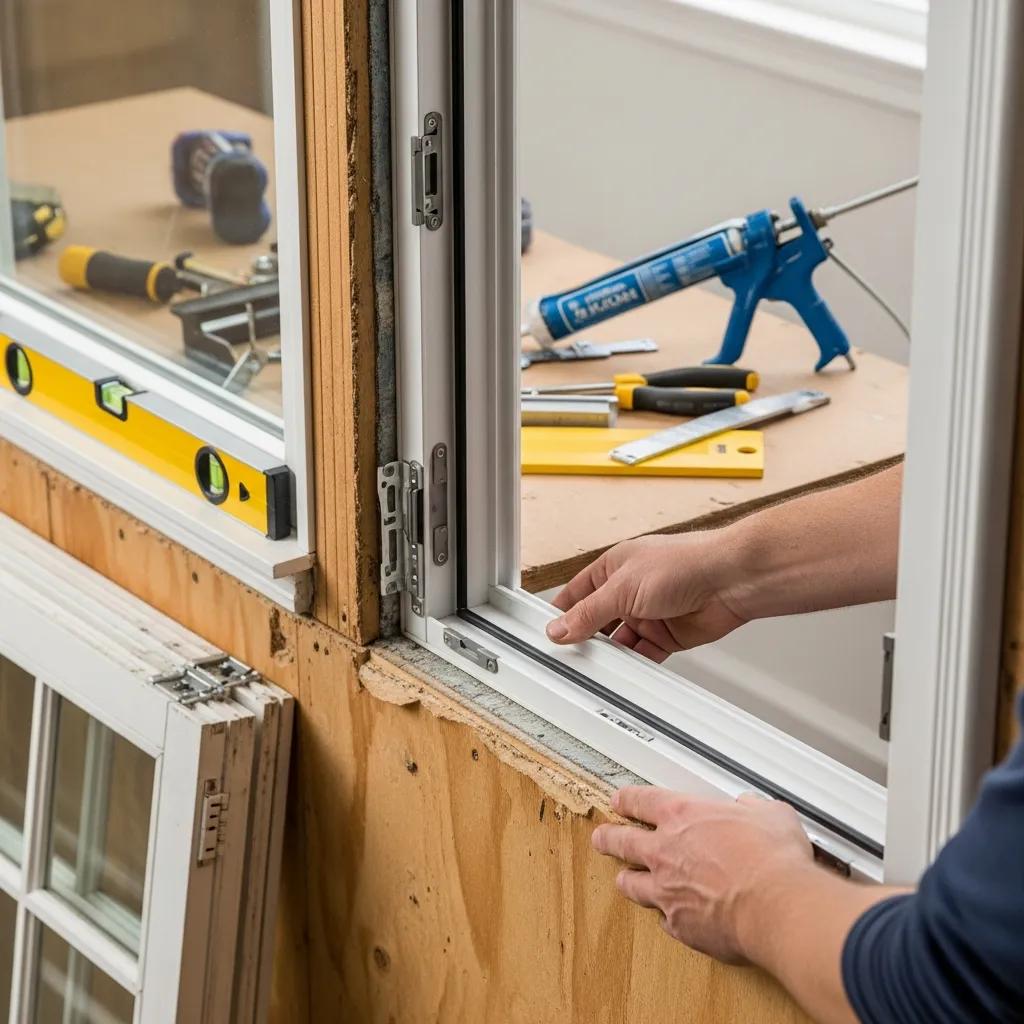
Pocket installation, sometimes called an insert, places a new window into the existing frame without removing the outer trim or the full frame. It’s a popular choice when the original frame is still straight and sound. Because the work is less invasive, pocket installs usually cost less and finish faster than full‑frame replacements.
What Is Pocket Window Installation?
With a pocket install the old sash and interior stops are removed and the new window slides into the “pocket” created by the remaining frame. The result is a clean, efficient replacement that minimizes disruption to interior trim and exterior siding.
When Is Pocket Installation the Ideal Choice?
Pocket installation makes sense in these situations:
- Good Condition of Existing Frame: If the frame is square and free of rot, a pocket install will save time and money.
- Budget Constraints: It’s a cost‑effective option when full replacement isn’t necessary.
- Quick Turnaround: Because it’s less invasive, installations can often be completed in a few hours per window.
What Are New Construction and Retrofit Window Installations?
“New construction” and “retrofit” describe the project context. New construction installs are for new builds or major remodels where the frame is part of the construction. Retrofit installs replace the window unit inside an existing, usable frame.
What Defines New Construction Window Installation?
New construction installation is used during building or extensive renovation when a new frame and structure are being installed. This approach gives the most flexibility for custom sizing and architectural details since the opening is being formed or altered as part of the project.
How Does Retrofit Installation Work and When Is It Used?
Retrofit installation updates existing windows without replacing the exterior frame. It’s the go‑to when you want better performance or aesthetics but don’t want to rip out trim or siding. Retrofit installs are usually faster and less expensive than new construction installs.
Which Factors Should Influence Your Choice of Window Installation Type?
Several practical considerations help determine the right installation method for your home.
How Do Home Age, Damage, and Budget Affect Installation Decisions?
Key influences include:
- Home Age: Older homes often need full‑frame work to address hidden issues; newer homes may be fine with inserts or retrofits.
- Damage: Visible rot, water damage, or structural problems usually call for a full‑frame replacement.
- Budget: If cost is the main concern and the frame is sound, pocket or retrofit options can stretch your dollars further.
What Role Do Materials and Energy Efficiency Play?
The materials and glazing you choose affect comfort and bills. Consider:
- Frame Materials: Vinyl, wood, and fiberglass each balance insulation, appearance, and maintenance differently.
- Glazing Options: Double or triple glazing offers better thermal performance than single panes.
- Energy Ratings: Look for ENERGY STAR or similar certifications to ensure measurable energy savings over time.
Why Choose a Local Expert for Your Window Installation in Beverly, MA?
Working with a local company brings knowledge, convenience, and accountability to your project. Local teams know the area’s weather, common construction details, and permitting requirements — all of which help the job run smoother.
What Advantages Does First Light Windows and Doors Offer?
First Light Windows and Doors is a family‑owned, licensed, and insured contractor serving Beverly, MA and the surrounding communities. We focus on energy‑efficient products, quality installation, and customer satisfaction — and we back our work with a 2‑year labor warranty. Choosing a local team means you get personalized service and someone nearby if you need follow‑up.
How Does Local Expertise Improve Installation Quality?
Local knowledge adds several practical benefits:
- Understanding Local Building Codes: Local contractors know the permitting and inspection rules for Beverly, which helps avoid delays and rework.
- Familiarity with Local Climate: Contractors can recommend window types and installation details that hold up to the region’s weather patterns.
- Community Engagement: Supporting a local business builds relationships and ensures a nearby point of contact if issues arise.
What Are the Latest Window Installation Trends for 2024 and Beyond?
Design and tech advances are shaping how homeowners think about windows — from looks to performance.
How Are Minimalist Frames and Dark Colors Shaping Window Design?
Clean, slim frames and darker finishes are on the rise for several good reasons:
- Aesthetic Appeal: Thin profiles create a modern, unobtrusive look that highlights the view rather than the frame.
- Increased Natural Light: Larger glass areas with minimal framing let more daylight into living spaces.
- Versatility: Dark frames pair well with many architectural styles and add contemporary contrast.
What Innovations Are Emerging in Energy Efficiency and Smart Windows?
Technology is improving comfort and efficiency at the glass level:
- Smart Windows: Glass that tints or adapts to light can reduce cooling loads and glare automatically.
- Advanced Glazing Technologies: New coatings and multi‑pane options lower heat transfer and improve insulation.
- Sustainable Materials: Recycled and low‑impact materials are becoming more common, appealing to eco‑minded homeowners.
Keeping up with these developments helps you choose windows that look great and perform well for years.
Frequently Asked Questions
What is the average cost of window installation?
Costs vary by installation type, materials, and project complexity. As a general guide: full‑frame installations are usually the priciest at roughly $600 to $1,200 per window; pocket installations commonly range from $300 to $800 per window; and retrofit installations often fall between $200 and $600 per window. Always get local quotes for an accurate estimate tailored to your home.
How long does a window installation typically take?
Time depends on the method and how many windows you’re replacing. Full‑frame installs often take longer — sometimes a full day or more per window. Pocket and retrofit installs are quicker and can often be completed in a few hours per window. Ask your installer for a timeline based on your specific scope.
What maintenance is required after window installation?
Routine care keeps windows working well: clean glass with a mild cleaner and soft cloth, inspect seals and weatherstripping for wear, and watch for condensation between panes (a sign of a failing seal). Wooden frames need periodic repainting or resealing to stay weather‑tight.
Are there energy-efficient window options available?
Yes. Double and triple glazing, Low‑E coatings, and insulated frames all improve thermal performance. ENERGY STAR certified windows meet strict efficiency standards and are a smart choice for long‑term savings. Talk with your installer about the best options for our climate.
What should I consider when choosing window materials?
Think about durability, insulation, maintenance, and appearance. Vinyl is low‑maintenance and cost‑effective; wood looks classic but needs care; fiberglass offers strength and stable performance. Match the material to your budget, style goals, and how much upkeep you want.
How can I ensure a successful window installation?
Hire a reputable contractor with experience in the installation type you need. Get multiple quotes, check references or reviews, and confirm warranty details. Clear communication, accurate measurements, and being available during installation help ensure the job meets your expectations.
Conclusion
Choosing the right window installation method comes down to your home’s condition, your goals, and your budget. Full‑frame, pocket, and retrofit options each have clear uses — and a local pro can help you weigh tradeoffs and avoid costly surprises. If you’re ready to improve comfort, efficiency, and curb appeal, start by discussing your needs with a trusted installer who knows Beverly, MA.