Day: March 6, 2026

  • Choose the Best Window Installation Options for Your Home

    Choose the Best Window Installation Options for Your Home

    What Drives Window and Door Installation Costs — A Practical Guide for Homeowners

    Knowing what affects the price of window and door installation helps you plan, compare quotes, and avoid surprises. This guide walks you through the main cost drivers, so you can budget with confidence. We cover what influences window prices, how door replacement costs break down, typical window-replacement ranges, what impacts exterior-door pricing, and overall costs for replacing both windows and doors.

    In This Article

    What Are the Main Factors Influencing Window Installation Costs?

    Several things change the final price of window installation. The biggest are the window type, the size, and the material. Each affects the product cost and how long installation takes, so they’re worth weighing before you buy.

    How Do Window Types Affect Installation Prices?
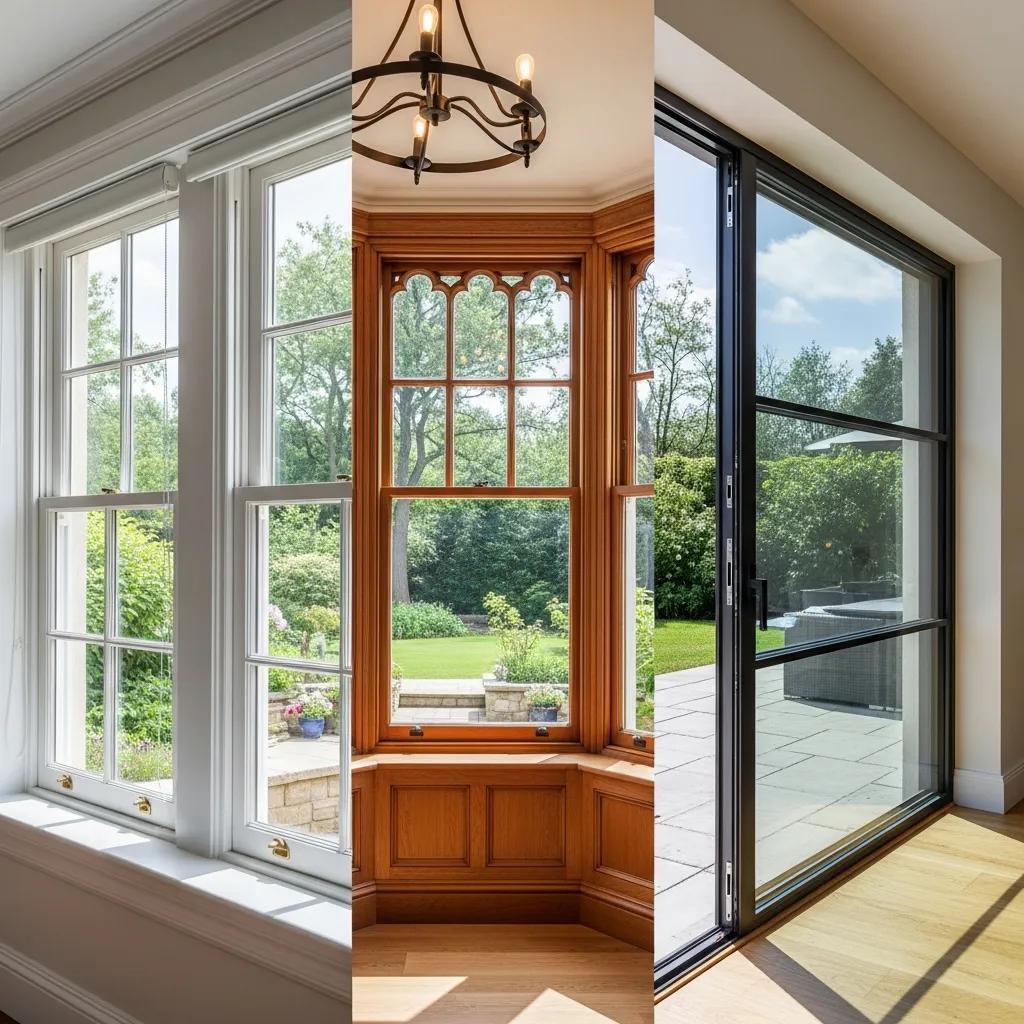
    Different types of windows displayed in a home setting illustrating design and complexity

    Window styles bring different installation challenges. Double-hung windows, for example, often take more time to fit and seal than simple sliding units. Specialty styles like bay or bow windows usually cost more because they need custom framing and extra structural support. Picking the right style can lower both product and labor costs.

    What Role Does Window Size and Material Play in Cost?

    Size and material are key. Bigger windows use more materials and often need more labor, so they cost more. Material matters too: vinyl is usually the most budget-friendly, wood can be pricier and needs more care, and fiberglass sits between those options. Think about long-term maintenance and energy performance when you choose.

    After you’ve considered these factors, it helps to work with local companies. Local installers understand regional codes and can make the process smoother from permits to final inspection.

    How Is Door Replacement Cost Broken Down?

    Door replacement costs generally include three main pieces: the price of the door itself, labor, and any extra materials or repairs needed to finish the job. Each piece varies depending on door type and installation complexity.

    Which Door Materials Impact Replacement Expenses?

    Material has a big effect on price and longevity. Wood doors offer a classic look and good insulation but usually cost more. Fiberglass is durable and more affordable, while steel is tough and often the least expensive option. Match material to your budget and the performance you expect over time.

    How Does Door Style Influence Installation Pricing?

    The door’s style matters too. Simple panel doors are usually quicker and cheaper to install. More complex setups—like French doors, sliding patio doors, or doors with sidelights—need additional hardware, precise alignment, and sometimes extra framing, which raises costs.

    What Is the Average Cost of Window Replacement?

    Window replacement prices vary, but most homeowners pay between $300 and $1,200 per window, including materials and labor. The final number depends on window type, materials, and how complicated the install is.

    How Do Labor and Location Affect Average Prices?

    Labor rates change by region. Urban areas typically have higher hourly rates than rural ones. Local building codes, required permits, and inspection fees also add to the cost. Check local rates and rules when you get quotes.

    What Additional Costs Should Be Considered?

    Don’t forget extras: permit fees, disposal of old windows, and any repair work to surrounding walls or trim. Those items can add a few hundred dollars per opening, so include them in your budget to avoid surprises.

    Which Factors Affect Exterior Door Installation Prices?

    Exterior door costs depend on the door type, material, and how involved the installation is. Security features, hardware choices, and any needed structural changes will also affect the total price.

    How Does Door Security and Hardware Influence Cost?

    Upgraded locks, reinforced frames, and specialty hardware increase cost but improve safety and durability. If security is a priority, plan for higher upfront costs that can pay off in protection and peace of mind.

    What Impact Does Door Size and Customization Have?

    Custom or oversized doors usually mean more labor and materials, and therefore higher costs. Sticking to standard sizes keeps pricing lower. If you need a custom solution, factor those extra costs into your plan.

    How Much Does Window and Door Installation Typically Cost?

    A full window-and-door project can range widely. Expect about $5,000 to $15,000 for a complete installation, depending on how many openings you replace, the products you choose, and the amount of structural work required.

    What Are the Cost Differences Between New Installation and Replacement?

    New installations often require framing, flashing, and additional structural work, which raises the price. Replacements usually fit into existing openings and are typically less expensive. Compare both options to see which makes sense for your home and long-term goals.

    How Can Homeowners Budget for Installation Expenses?

    Create a detailed budget that lists materials, labor, permits, and a contingency for surprises. Get multiple quotes, prioritize must-haves, and set aside about 10–15% extra for unexpected items. A clear plan helps keep projects on track and on budget.

    Window TypeAverage CostInstallation Complexity
    Double-Hung$600Moderate
    Sliding$500Low
    Bay$1,200High

    This table shows typical costs for common window types and how complexity affects price. Use it to compare options and set realistic expectations when you request quotes.

    Door MaterialAverage CostDurability Rating
    Wood$1,200High
    Fiberglass$900Medium
    Steel$700High

    Compare materials by cost and durability to choose what fits your budget and performance needs. The right choice balances initial price with long-term value.

    Take the time to research products and installers before you commit. Understanding cost drivers helps you compare bids and pick the solution that meets your budget, energy goals, and style. Working with local professionals can simplify permitting and ensure the work meets local codes.

    Frequently Asked Questions

    What are the benefits of hiring a professional for window and door installation?

    Hiring a professional means the work gets done right the first time. Pros have the tools and experience to handle tricky installs, avoid common mistakes, and follow local code. Many offer warranties on labor and materials, which adds protection. In short: less stress, better performance, and a cleaner finish.

    How can I choose the right window and door styles for my home?

    Match style to your home’s architecture and your daily needs. Think about energy efficiency, security, and how much maintenance you want. Visit showrooms or ask an installer for samples and photos—seeing options in person makes decisions easier.

    What maintenance is required for windows and doors after installation?

    Basic maintenance keeps everything working longer. Clean glass, check seals, and lubricate moving parts periodically. Inspect weather stripping and hardware on doors, and refinish wood doors when needed. Small, regular upkeep prevents bigger problems later.

    Are there energy-efficient options for windows and doors?

    Yes. Double- or triple-pane glass, Low-E coatings, and insulated door cores all improve energy performance. Look for ENERGY STAR-rated products to compare efficiency. Better products can lower heating and cooling costs over time.

    What should I do if I encounter issues after installation?

    Contact the installer first—most reputable companies stand behind their work. Take photos and note dates and details to share. If the installer can’t resolve the issue, consider a third-party inspection. Addressing problems early prevents further damage.

    How can I ensure my installation project stays within budget?

    Start with clear priorities and a written budget. Get several quotes, ask for itemized bids, and set aside a contingency fund for surprises. Communicate openly with your contractor about cost limits and stick to standard sizes and proven materials when possible.

    Conclusion

    Knowing what drives window and door costs helps you make smarter choices and avoid surprises. Consider material, size, style, and installation complexity as you plan. Partnering with experienced local installers often makes the process smoother and keeps the work compliant with regional codes. Ready to move forward? Start comparing options and get a few local quotes to find the best fit for your home.
  • Understanding Costs: Key Factors in Door Installation

    Understanding Costs: Key Factors in Door Installation

    Understanding Costs: Key Factors in Door Installation

    luxury windows

    What Drives Window and Door Installation Costs — A Practical Guide for Homeowners

    Knowing what affects the price of window and door installation helps you plan, compare quotes, and avoid surprises. This guide walks you through the main cost drivers, so you can budget with confidence. We cover what influences window prices, how door replacement costs break down, typical window-replacement ranges, what impacts exterior-door pricing, and overall costs for replacing both windows and doors.

    In This Article

    What Are the Main Factors Influencing Window Installation Costs?

    Several things change the final price of window installation. The biggest are the window type, the size, and the material. Each affects the product cost and how long installation takes, so they’re worth weighing before you buy.

    How Do Window Types Affect Installation Prices?

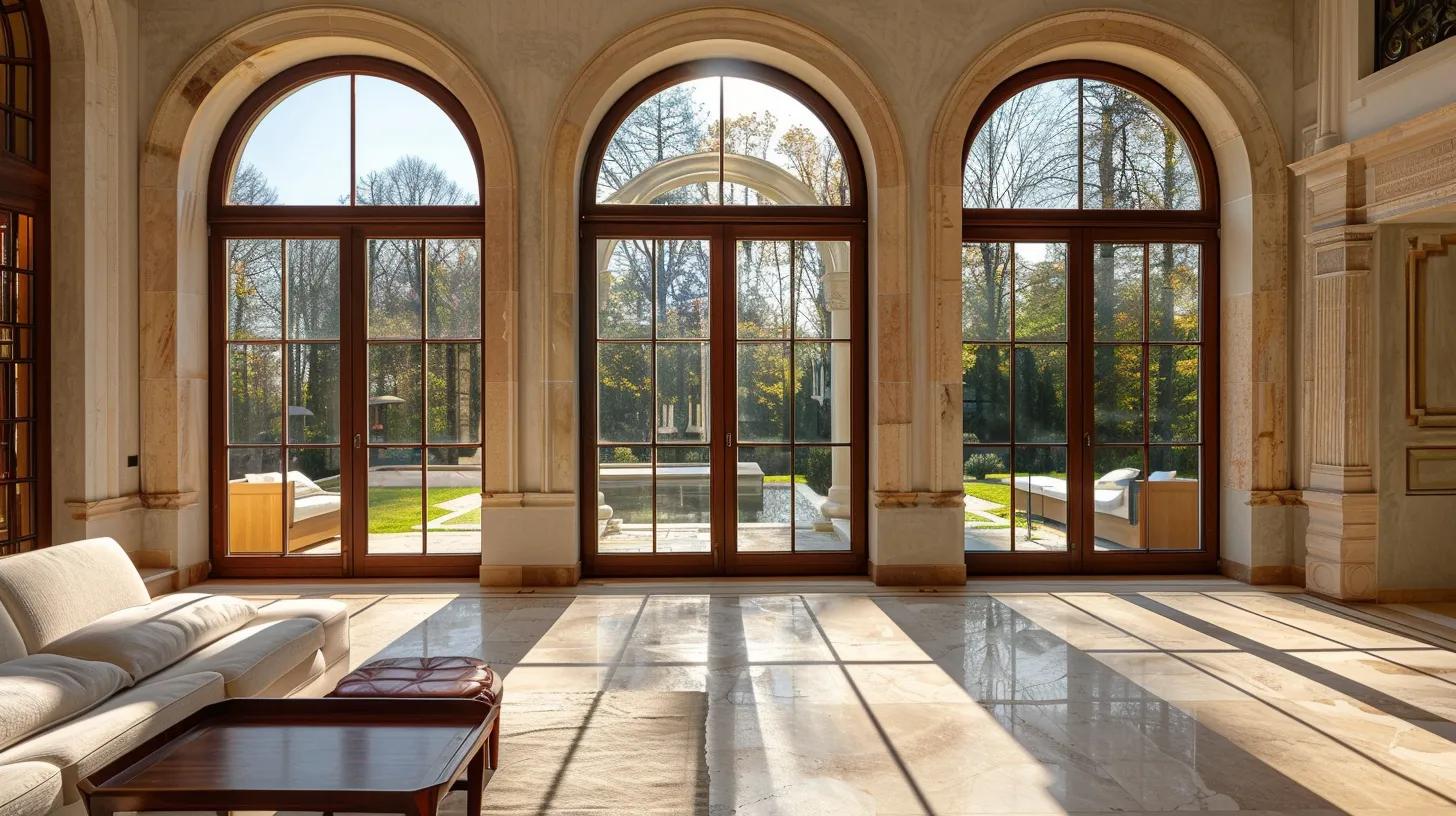
    Different types of windows displayed in a home setting illustrating design and complexity

    Window styles bring different installation challenges. Double-hung windows, for example, often take more time to fit and seal than simple sliding units. Specialty styles like bay or bow windows usually cost more because they need custom framing and extra structural support. Picking the right style can lower both product and labor costs.

    What Role Does Window Size and Material Play in Cost?

    Size and material are key. Bigger windows use more materials and often need more labor, so they cost more. Material matters too: vinyl is usually the most budget-friendly, wood can be pricier and needs more care, and fiberglass sits between those options. Think about long-term maintenance and energy performance when you choose.

    After you’ve considered these factors, it helps to work with local companies. Local installers understand regional codes and can make the process smoother from permits to final inspection.

    How Is Door Replacement Cost Broken Down?

    Door replacement costs generally include three main pieces: the price of the door itself, labor, and any extra materials or repairs needed to finish the job. Each piece varies depending on door type and installation complexity.

    Which Door Materials Impact Replacement Expenses?

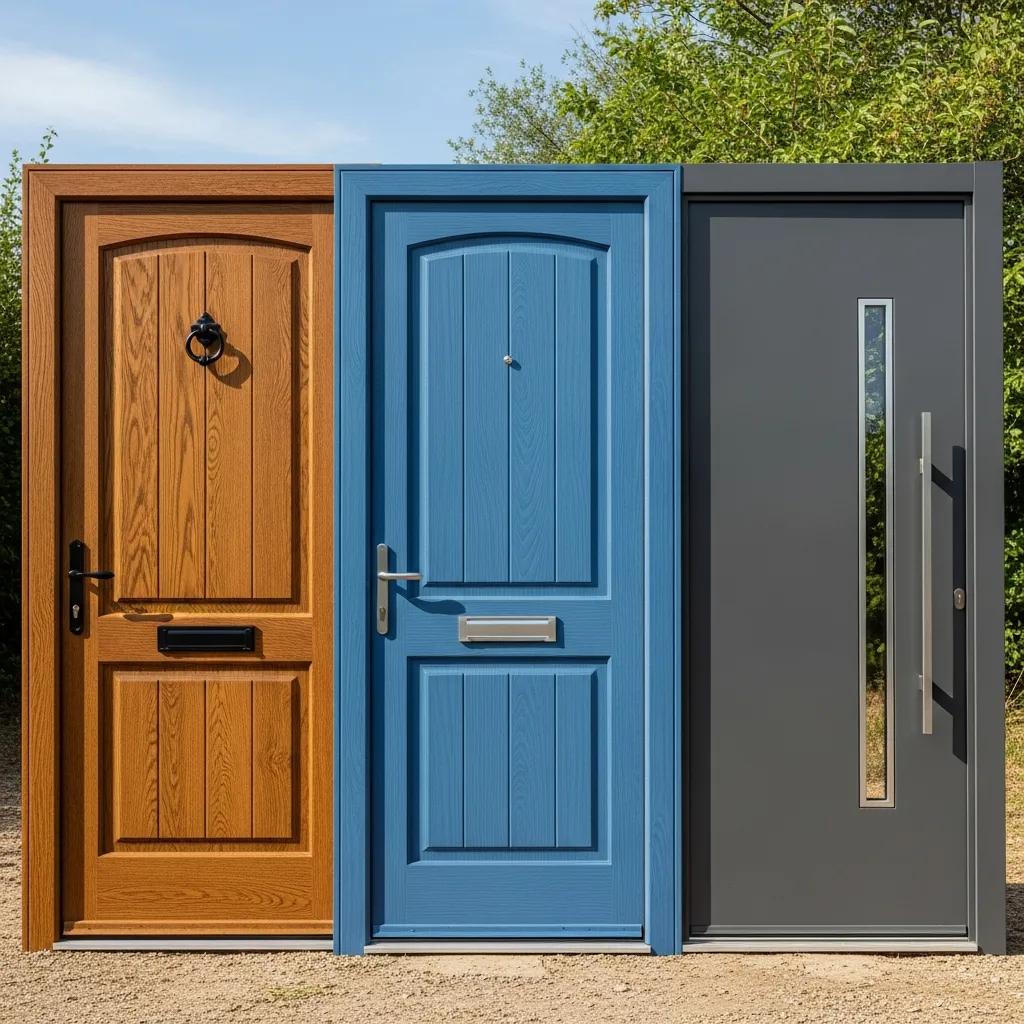
    Selection of exterior doors made from wood, fiberglass, and steel highlighting durability and aesthetics

    Material has a big effect on price and longevity. Wood doors offer a classic look and good insulation but usually cost more. Fiberglass is durable and more affordable, while steel is tough and often the least expensive option. Match material to your budget and the performance you expect over time.

    How Does Door Style Influence Installation Pricing?

    The door’s style matters too. Simple panel doors are usually quicker and cheaper to install. More complex setups—like French doors, sliding patio doors, or doors with sidelights—need additional hardware, precise alignment, and sometimes extra framing, which raises costs.

    What Is the Average Cost of Window Replacement?

    Window replacement prices vary, but most homeowners pay between $300 and $1,200 per window, including materials and labor. The final number depends on window type, materials, and how complicated the install is.

    How Do Labor and Location Affect Average Prices?

    Labor rates change by region. Urban areas typically have higher hourly rates than rural ones. Local building codes, required permits, and inspection fees also add to the cost. Check local rates and rules when you get quotes.

    What Additional Costs Should Be Considered?

    Don’t forget extras: permit fees, disposal of old windows, and any repair work to surrounding walls or trim. Those items can add a few hundred dollars per opening, so include them in your budget to avoid surprises.

    Which Factors Affect Exterior Door Installation Prices?

    Exterior door costs depend on the door type, material, and how involved the installation is. Security features, hardware choices, and any needed structural changes will also affect the total price.

    How Does Door Security and Hardware Influence Cost?

    Upgraded locks, reinforced frames, and specialty hardware increase cost but improve safety and durability. If security is a priority, plan for higher upfront costs that can pay off in protection and peace of mind.

    What Impact Does Door Size and Customization Have?

    Custom or oversized doors usually mean more labor and materials, and therefore higher costs. Sticking to standard sizes keeps pricing lower. If you need a custom solution, factor those extra costs into your plan.

    How Much Does Window and Door Installation Typically Cost?

    A full window-and-door project can range widely. Expect about $5,000 to $15,000 for a complete installation, depending on how many openings you replace, the products you choose, and the amount of structural work required.

    What Are the Cost Differences Between New Installation and Replacement?

    New installations often require framing, flashing, and additional structural work, which raises the price. Replacements usually fit into existing openings and are typically less expensive. Compare both options to see which makes sense for your home and long-term goals.

    How Can Homeowners Budget for Installation Expenses?

    Create a detailed budget that lists materials, labor, permits, and a contingency for surprises. Get multiple quotes, prioritize must-haves, and set aside about 10–15% extra for unexpected items. A clear plan helps keep projects on track and on budget.

    Window TypeAverage CostInstallation Complexity
    Double-Hung$600Moderate
    Sliding$500Low
    Bay$1,200High

    This table shows typical costs for common window types and how complexity affects price. Use it to compare options and set realistic expectations when you request quotes.

    Door MaterialAverage CostDurability Rating
    Wood$1,200High
    Fiberglass$900Medium
    Steel$700High

    Compare materials by cost and durability to choose what fits your budget and performance needs. The right choice balances initial price with long-term value.

    Take the time to research products and installers before you commit. Understanding cost drivers helps you compare bids and pick the solution that meets your budget, energy goals, and style. Working with local professionals can simplify permitting and ensure the work meets local codes.

    Frequently Asked Questions

    What are the benefits of hiring a professional for window and door installation?

    Hiring a professional means the work gets done right the first time. Pros have the tools and experience to handle tricky installs, avoid common mistakes, and follow local code. Many offer warranties on labor and materials, which adds protection. In short: less stress, better performance, and a cleaner finish.

    How can I choose the right window and door styles for my home?

    Match style to your home’s architecture and your daily needs. Think about energy efficiency, security, and how much maintenance you want. Visit showrooms or ask an installer for samples and photos—seeing options in person makes decisions easier.

    What maintenance is required for windows and doors after installation?

    Basic maintenance keeps everything working longer. Clean glass, check seals, and lubricate moving parts periodically. Inspect weather stripping and hardware on doors, and refinish wood doors when needed. Small, regular upkeep prevents bigger problems later.

    Are there energy-efficient options for windows and doors?

    Yes. Double- or triple-pane glass, Low-E coatings, and insulated door cores all improve energy performance. Look for ENERGY STAR-rated products to compare efficiency. Better products can lower heating and cooling costs over time.

    What should I do if I encounter issues after installation?

    Contact the installer first—most reputable companies stand behind their work. Take photos and note dates and details to share. If the installer can’t resolve the issue, consider a third-party inspection. Addressing problems early prevents further damage.

    How can I ensure my installation project stays within budget?

    Start with clear priorities and a written budget. Get several quotes, ask for itemized bids, and set aside a contingency fund for surprises. Communicate openly with your contractor about cost limits and stick to standard sizes and proven materials when possible.

    Conclusion

    Knowing what drives window and door costs helps you make smarter choices and avoid surprises. Consider material, size, style, and installation complexity as you plan. Partnering with experienced local installers often makes the process smoother and keeps the work compliant with regional codes. Ready to move forward? Start comparing options and get a few local quotes to find the best fit for your home.
  • Explore Top Window Installation Options for Your Home

    Explore Top Window Installation Options for Your Home

    Types of Window Installations — A Practical Guide to Choosing the Right Method

    window installation

    Window installation affects more than looks — it changes comfort, energy bills, and the value of your home. This guide breaks down the common installation methods so you can compare options and pick what’s right for your house. We’ll walk through full-frame and insert installs, explain the difference between new-construction and block-frame approaches, show how window materials change the process, and offer tips to get the best energy performance and plan a realistic budget. By the end, you’ll feel confident choosing the installation method that fits your goals.

    In This Guide:

    Main Types of Window Installation Methods

    Before you get started, it helps to know the two core installation approaches. Full-frame and insert installations each have clear benefits — the right choice depends on the condition of your existing frames and how much renovation you want to do.

    What Is Full-Frame Window Installation and When Should You Choose It?

    Full-frame installation means removing the entire old window and frame and fitting a new unit into the opening. Choose this when the existing frame is damaged, rotted, or you want to change the window size or style. Full-frame work gives installers a chance to inspect and repair the surrounding structure, address hidden issues like rot or mold, and add insulation for better long-term efficiency.

    How Does Insert Window Installation Work and What Are Its Benefits?

    Insert (or retrofit) installation installs a new window into the existing frame without taking the whole frame out. It’s usually faster and less expensive than a full-frame job, so it’s a popular option when the current frame is sound but the sashes or glass need upgrading. Inserts cut labor time and disruption — a good choice if you want improved performance and appearance with minimal renovation.

    How Do New Construction and Block Frame Window Installations Differ?

    What Defines New Construction Window Installation?

    New construction windows are installed during the build process and come with a nailing flange to fasten to the house framing. Because they’re integrated into the structure from the start, they make it easier to ensure proper flashing, insulation, and airtightness — a clean solution for new homes or major additions.

    When Is Block Frame Installation the Best Choice?

    Block frame installation (sometimes called pocket or frame-in-frame) uses the existing frame as the mounting point for a new window. It’s useful when the frame is still straight and sturdy but the window itself needs replacing. This approach saves time and cost compared with full-frame replacements while keeping the original surrounding trim intact.

    Which Window Materials Affect Installation Types and Performance?

    How Do Vinyl, Wood, Fiberglass, and Aluminum Windows Influence Installation?

    Window material affects durability, maintenance, cost, and which installation method makes the most sense. Vinyl is low-maintenance and often used in insert installs. Wood looks great and insulates well but needs upkeep. Fiberglass is strong and energy-efficient, and aluminum is lightweight and corrosion-resistant though usually less insulating. Match the material to your performance goals and the condition of the existing frame.

    What Are the Energy Efficiency Features to Consider in Window Materials?

    Look for efficiency features like Low-E coatings, multiple panes, and inert gas fills (argon or krypton) between panes. These reduce heat transfer and keep indoor temperatures steadier, cutting HVAC costs and improving comfort. Choosing energy-efficient glass and well-sealed frames is one of the easiest ways to lock in long-term savings.

    How Can You Maximize Energy Efficiency Through Window Installation?

    What Role Do Low-E Glass and Argon Gas Play in Energy-Efficient Windows?

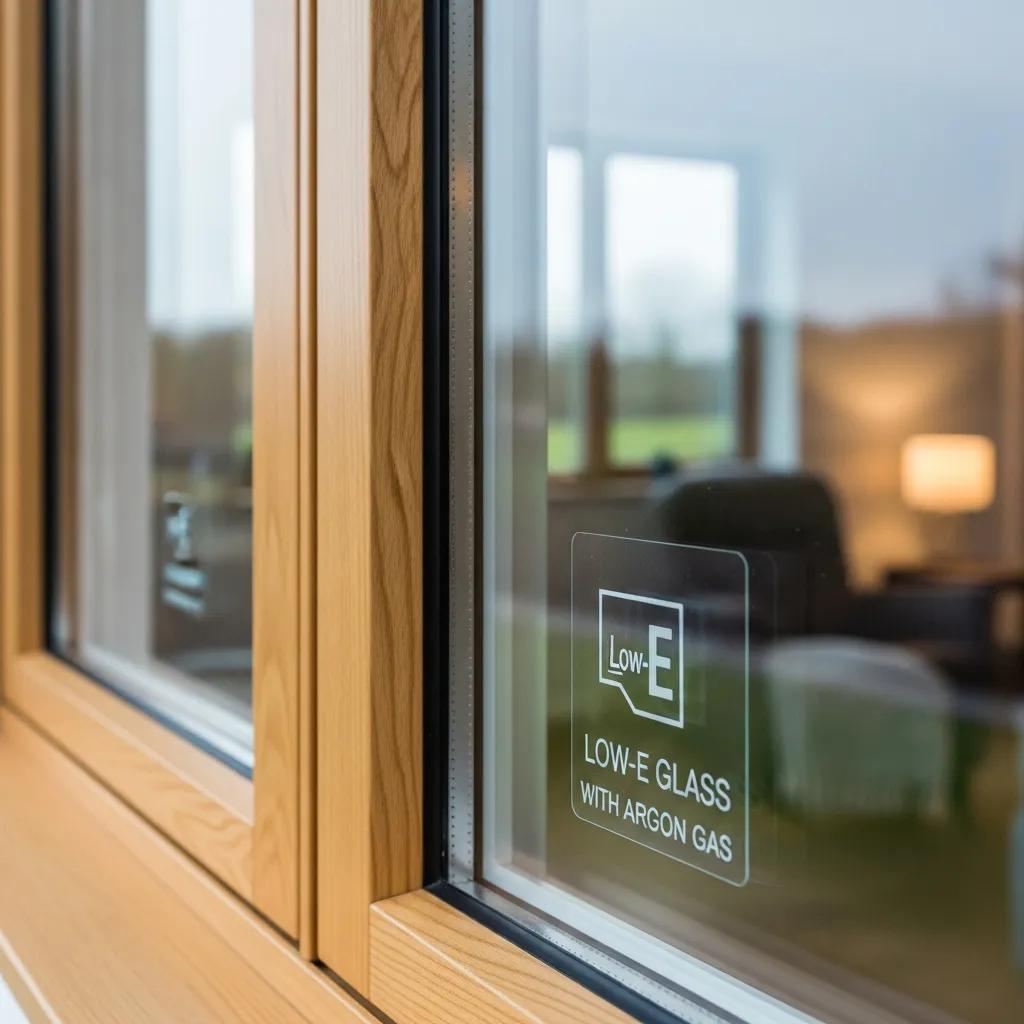
    Close-up of an energy-efficient window showing Low-E coating and sealed gas-filled panes

    Low-E glass has a thin coating that reflects unwanted heat while letting light through, helping keep homes cooler in summer and warmer in winter. Argon gas fills the space between panes to slow heat transfer. Used together, these features make a noticeable difference in comfort and energy use.

    How Does Proper Installation Impact Home Energy Savings?

    Even the best windows won’t perform if they’re poorly installed. Gaps, missing flashing, or uneven seals let air and moisture through and erase potential savings. Hire experienced installers who focus on airtight seals, correct flashing, and proper insulation so your windows deliver the efficiency you paid for.

    Cost Factors and Budgeting Tips for Different Window Installations

    Which Factors Influence the Cost of Full-Frame vs. Insert Installations?

    Full-frame installs usually cost more because they involve more labor and materials and often require repairs to the surrounding structure. Insert installs are generally cheaper and quicker but only work when the existing frame is in good shape. Costs also vary with window type, size, and any custom work needed.

    How Can Homeowners Plan and Budget for Window Replacement Projects?

    • Do your homework: Learn the difference between installation methods and window types.
    • Get several estimates: Compare contractors on scope, materials, and warranties.
    • Factor in long-term savings: Better windows can lower energy bills and maintenance costs.
    • Set a realistic budget: Include installation, materials, and possible carpentry or trim repairs.

    Why Choose a Local Window Installation Company Like First Light Windows and Doors?

    What Are the Advantages of Hiring a Licensed, Insured, Family-Owned Local Expert?

    Hiring a licensed, insured, family-run company like First Light Windows and Doors means you’ll work with people who care about their reputation and the community. Local teams know regional building codes and climate challenges, and they tend to provide the personal service and quick follow-up that bigger firms sometimes miss.

    How Does First Light’s 2-Year Labor Guarantee Ensure Quality and Satisfaction?

    First Light backs workmanship with a 2-year labor guarantee, so if an installation issue appears, they’ll return to make it right. That promise gives homeowners confidence that their investment is protected and that the company stands behind its work.

    Installation TypeCost FactorsBenefits
    Full-Frame InstallationHigher labor and material costsFull frame replacement; opportunity to fix hidden damage and improve insulation
    Insert InstallationLower cost; faster installLess invasive; keeps existing frame and trim
    New Construction InstallationCosts vary with home designSeamless integration with new builds; optimized flashing and insulation
    Block Frame InstallationModerate cost; depends on frame conditionPreserves original structure; quicker than full-frame

    This overview should help you weigh the cost and advantages of each installation type so you can make the best choice for your home and budget.

    Picking the right installation method makes a big difference in comfort, curb appeal, and energy bills. When you’re ready, lean on local pros like First Light Windows and Doors to guide the decision and do the work right.

    Ready to Upgrade Your Windows?

    Explore our window upgrade and replacement services to find the perfect fit for your home’s style and energy needs. Have questions or want a free consultation? Contact us today and let our experts help you make the best choice.

    Frequently Asked Questions

    What are the signs that indicate a window needs to be replaced?

    Look for drafts, condensation between panes, difficulty opening or closing, broken seals, and visible frame damage like cracks or rot. If energy bills are rising or the window no longer performs, it’s a good sign you should consider replacement.

    How long does a typical window installation take?

    It depends. Insert installs can take a few hours per window, while full-frame replacements may take a full day or longer per window, especially if repairs are needed. Your contractor can give a clearer timeline based on the project size and condition.

    What maintenance is required for different types of windows?

    Vinyl and fiberglass need minimal care — regular cleaning and occasional lubrication of moving parts. Wood requires painting or staining to protect it from moisture. Aluminum may need checks for corrosion. Proper maintenance extends lifespan and performance.

    Can I install windows myself, or should I hire a professional?

    Some handy homeowners can handle simple insert installs, but professionals are recommended for full-frame work, complex openings, or when airtightness and proper flashing are critical. Pros ensure code compliance and reduce the risk of leaks or heat loss.

    What are the energy efficiency ratings to look for in windows?

    Check the U-factor (lower is better for insulation), SHGC (solar heat gain coefficient — lower helps in hot climates), and Energy Star certification for regional recommendations. These ratings help you compare performance between products.

    What financing options are available for window replacement projects?

    Options include personal loans, home equity financing, and contractor payment plans. Some installers offer promotional financing, and there may be rebates or tax incentives for energy-efficient upgrades. Compare terms to find what fits your budget.

    Conclusion

    Choosing the right window installation method affects comfort, energy use, and how your home looks. Understand your options — full-frame, insert, new construction, or block frame — then work with experienced local installers like First Light Windows and Doors to get a durable, energy-efficient result. Ready to start? Contact us to explore the best solution for your home.