
Types of Window Installations — A Practical Guide to Choosing the Right Method

Window installation affects more than looks — it changes comfort, energy bills, and the value of your home. This guide breaks down the common installation methods so you can compare options and pick what’s right for your house. We’ll walk through full-frame and insert installs, explain the difference between new-construction and block-frame approaches, show how window materials change the process, and offer tips to get the best energy performance and plan a realistic budget. By the end, you’ll feel confident choosing the installation method that fits your goals.
In This Guide:
- ▸ Main Types of Window Installation Methods: Explore the two core approaches: full-frame and insert installations, and how to choose based on existing frames and renovation goals.
- ▸ How Do New Construction and Block Frame Window Installations Differ?: Understand the distinctions between new construction windows with nailing flanges and block frame installations that utilize existing frames.
- ▸ Which Window Materials Affect Installation Types and Performance?: Learn how materials like vinyl, wood, fiberglass, and aluminum influence installation methods, durability, and energy performance.
- ▸ How Can You Maximize Energy Efficiency Through Window Installation?: Discover the role of Low-E glass, argon gas, and proper installation techniques in achieving optimal home energy savings.
- ▸ Cost Factors and Budgeting Tips for Different Window Installations: Get insights into the cost differences between full-frame and insert installations, along with practical budgeting advice for your project.
- ▸ Why Choose a Local Window Installation Company Like First Light Windows and Doors?: Understand the benefits of hiring a licensed, insured, family-owned local expert and the assurance of a labor guarantee.
- ▸ Conclusion: A final overview of choosing the right window installation method and the value of working with experienced local professionals.
Main Types of Window Installation Methods
Before you get started, it helps to know the two core installation approaches. Full-frame and insert installations each have clear benefits — the right choice depends on the condition of your existing frames and how much renovation you want to do.
What Is Full-Frame Window Installation and When Should You Choose It?
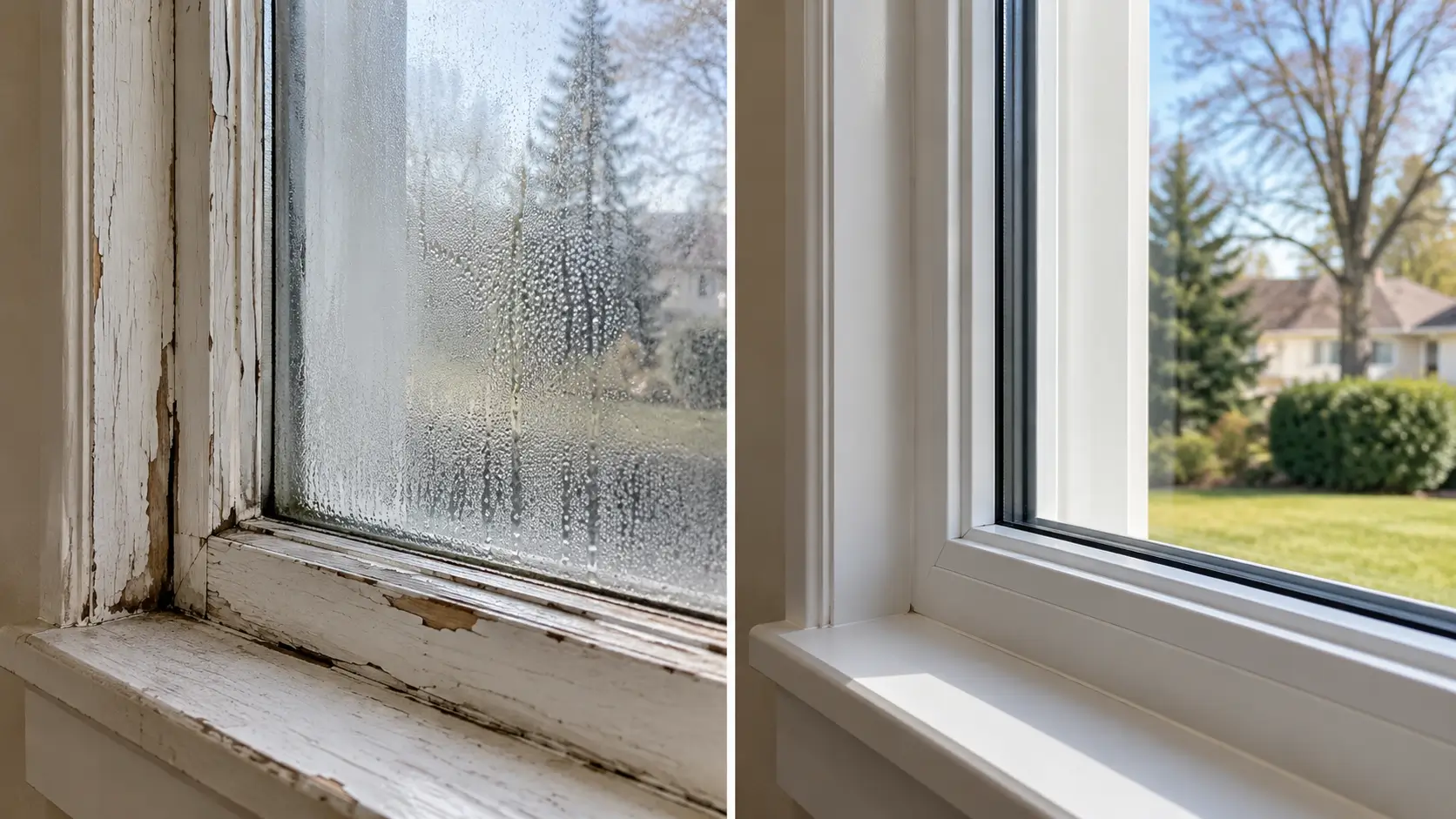
Full-frame installation means removing the entire old window and frame and fitting a new unit into the opening. Choose this when the existing frame is damaged, rotted, or you want to change the window size or style. Full-frame work gives installers a chance to inspect and repair the surrounding structure, address hidden issues like rot or mold, and add insulation for better long-term efficiency.
How Does Insert Window Installation Work and What Are Its Benefits?
Insert (or retrofit) installation installs a new window into the existing frame without taking the whole frame out. It’s usually faster and less expensive than a full-frame job, so it’s a popular option when the current frame is sound but the sashes or glass need upgrading. Inserts cut labor time and disruption — a good choice if you want improved performance and appearance with minimal renovation.
How Do New Construction and Block Frame Window Installations Differ?
What Defines New Construction Window Installation?
New construction windows are installed during the build process and come with a nailing flange to fasten to the house framing. Because they’re integrated into the structure from the start, they make it easier to ensure proper flashing, insulation, and airtightness — a clean solution for new homes or major additions.
When Is Block Frame Installation the Best Choice?
Block frame installation (sometimes called pocket or frame-in-frame) uses the existing frame as the mounting point for a new window. It’s useful when the frame is still straight and sturdy but the window itself needs replacing. This approach saves time and cost compared with full-frame replacements while keeping the original surrounding trim intact.
Which Window Materials Affect Installation Types and Performance?
How Do Vinyl, Wood, Fiberglass, and Aluminum Windows Influence Installation?
Window material affects durability, maintenance, cost, and which installation method makes the most sense. Vinyl is low-maintenance and often used in insert installs. Wood looks great and insulates well but needs upkeep. Fiberglass is strong and energy-efficient, and aluminum is lightweight and corrosion-resistant though usually less insulating. Match the material to your performance goals and the condition of the existing frame.
What Are the Energy Efficiency Features to Consider in Window Materials?
Look for efficiency features like Low-E coatings, multiple panes, and inert gas fills (argon or krypton) between panes. These reduce heat transfer and keep indoor temperatures steadier, cutting HVAC costs and improving comfort. Choosing energy-efficient glass and well-sealed frames is one of the easiest ways to lock in long-term savings.
How Can You Maximize Energy Efficiency Through Window Installation?
What Role Do Low-E Glass and Argon Gas Play in Energy-Efficient Windows?
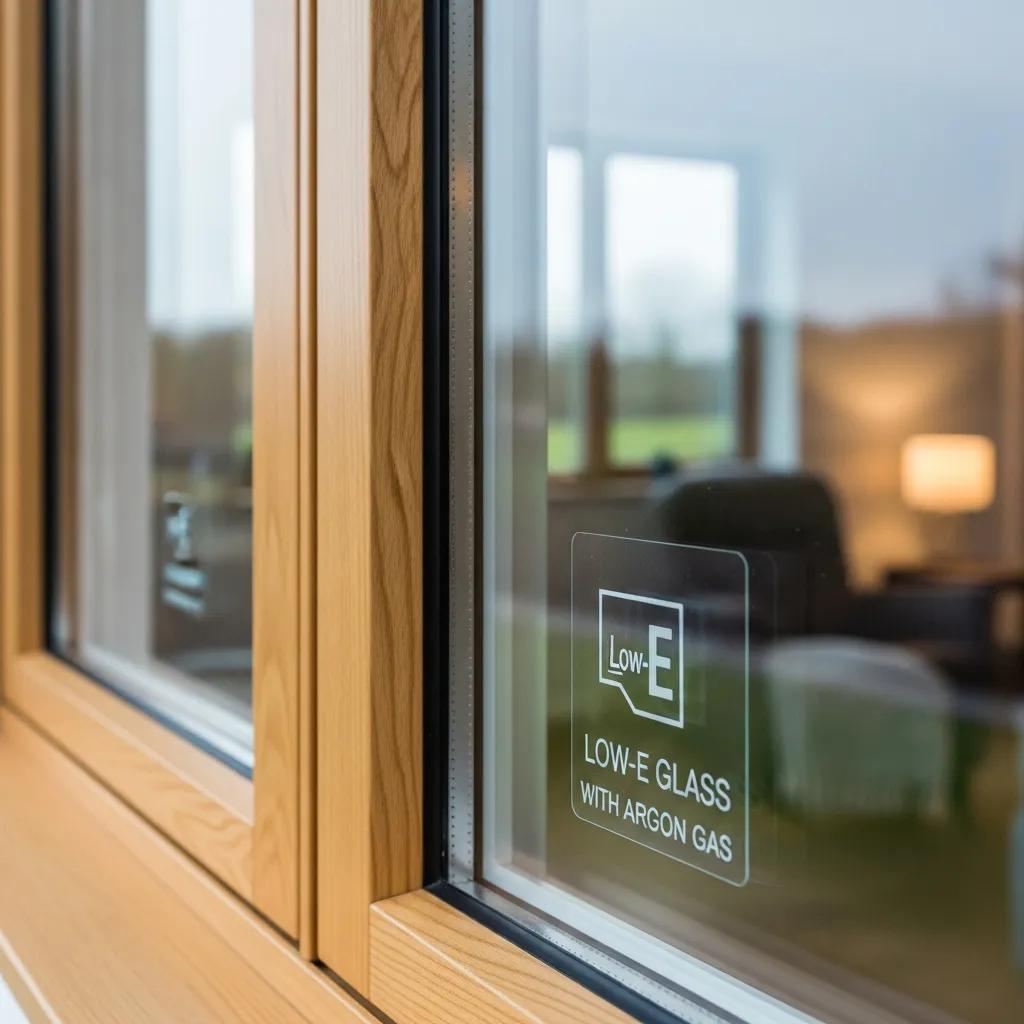
Low-E glass has a thin coating that reflects unwanted heat while letting light through, helping keep homes cooler in summer and warmer in winter. Argon gas fills the space between panes to slow heat transfer. Used together, these features make a noticeable difference in comfort and energy use.
How Does Proper Installation Impact Home Energy Savings?
Even the best windows won’t perform if they’re poorly installed. Gaps, missing flashing, or uneven seals let air and moisture through and erase potential savings. Hire experienced installers who focus on airtight seals, correct flashing, and proper insulation so your windows deliver the efficiency you paid for.
Cost Factors and Budgeting Tips for Different Window Installations
Which Factors Influence the Cost of Full-Frame vs. Insert Installations?
Full-frame installs usually cost more because they involve more labor and materials and often require repairs to the surrounding structure. Insert installs are generally cheaper and quicker but only work when the existing frame is in good shape. Costs also vary with window type, size, and any custom work needed.
How Can Homeowners Plan and Budget for Window Replacement Projects?
- Do your homework: Learn the difference between installation methods and window types.
- Get several estimates: Compare contractors on scope, materials, and warranties.
- Factor in long-term savings: Better windows can lower energy bills and maintenance costs.
- Set a realistic budget: Include installation, materials, and possible carpentry or trim repairs.
Why Choose a Local Window Installation Company Like First Light Windows and Doors?
What Are the Advantages of Hiring a Licensed, Insured, Family-Owned Local Expert?
Hiring a licensed, insured, family-run company like First Light Windows and Doors means you’ll work with people who care about their reputation and the community. Local teams know regional building codes and climate challenges, and they tend to provide the personal service and quick follow-up that bigger firms sometimes miss.
How Does First Light’s 2-Year Labor Guarantee Ensure Quality and Satisfaction?
First Light backs workmanship with a 2-year labor guarantee, so if an installation issue appears, they’ll return to make it right. That promise gives homeowners confidence that their investment is protected and that the company stands behind its work.
| Installation Type | Cost Factors | Benefits |
|---|---|---|
| Full-Frame Installation | Higher labor and material costs | Full frame replacement; opportunity to fix hidden damage and improve insulation |
| Insert Installation | Lower cost; faster install | Less invasive; keeps existing frame and trim |
| New Construction Installation | Costs vary with home design | Seamless integration with new builds; optimized flashing and insulation |
| Block Frame Installation | Moderate cost; depends on frame condition | Preserves original structure; quicker than full-frame |
This overview should help you weigh the cost and advantages of each installation type so you can make the best choice for your home and budget.
Picking the right installation method makes a big difference in comfort, curb appeal, and energy bills. When you’re ready, lean on local pros like First Light Windows and Doors to guide the decision and do the work right.
Ready to Upgrade Your Windows?
Explore our window upgrade and replacement services to find the perfect fit for your home’s style and energy needs. Have questions or want a free consultation? Contact us today and let our experts help you make the best choice.
Frequently Asked Questions
What are the signs that indicate a window needs to be replaced?
Look for drafts, condensation between panes, difficulty opening or closing, broken seals, and visible frame damage like cracks or rot. If energy bills are rising or the window no longer performs, it’s a good sign you should consider replacement.
How long does a typical window installation take?
It depends. Insert installs can take a few hours per window, while full-frame replacements may take a full day or longer per window, especially if repairs are needed. Your contractor can give a clearer timeline based on the project size and condition.
What maintenance is required for different types of windows?
Vinyl and fiberglass need minimal care — regular cleaning and occasional lubrication of moving parts. Wood requires painting or staining to protect it from moisture. Aluminum may need checks for corrosion. Proper maintenance extends lifespan and performance.
Can I install windows myself, or should I hire a professional?
Some handy homeowners can handle simple insert installs, but professionals are recommended for full-frame work, complex openings, or when airtightness and proper flashing are critical. Pros ensure code compliance and reduce the risk of leaks or heat loss.
What are the energy efficiency ratings to look for in windows?
Check the U-factor (lower is better for insulation), SHGC (solar heat gain coefficient — lower helps in hot climates), and Energy Star certification for regional recommendations. These ratings help you compare performance between products.
What financing options are available for window replacement projects?
Options include personal loans, home equity financing, and contractor payment plans. Some installers offer promotional financing, and there may be rebates or tax incentives for energy-efficient upgrades. Compare terms to find what fits your budget.
Conclusion
Choosing the right window installation method affects comfort, energy use, and how your home looks. Understand your options — full-frame, insert, new construction, or block frame — then work with experienced local installers like First Light Windows and Doors to get a durable, energy-efficient result. Ready to start? Contact us to explore the best solution for your home.