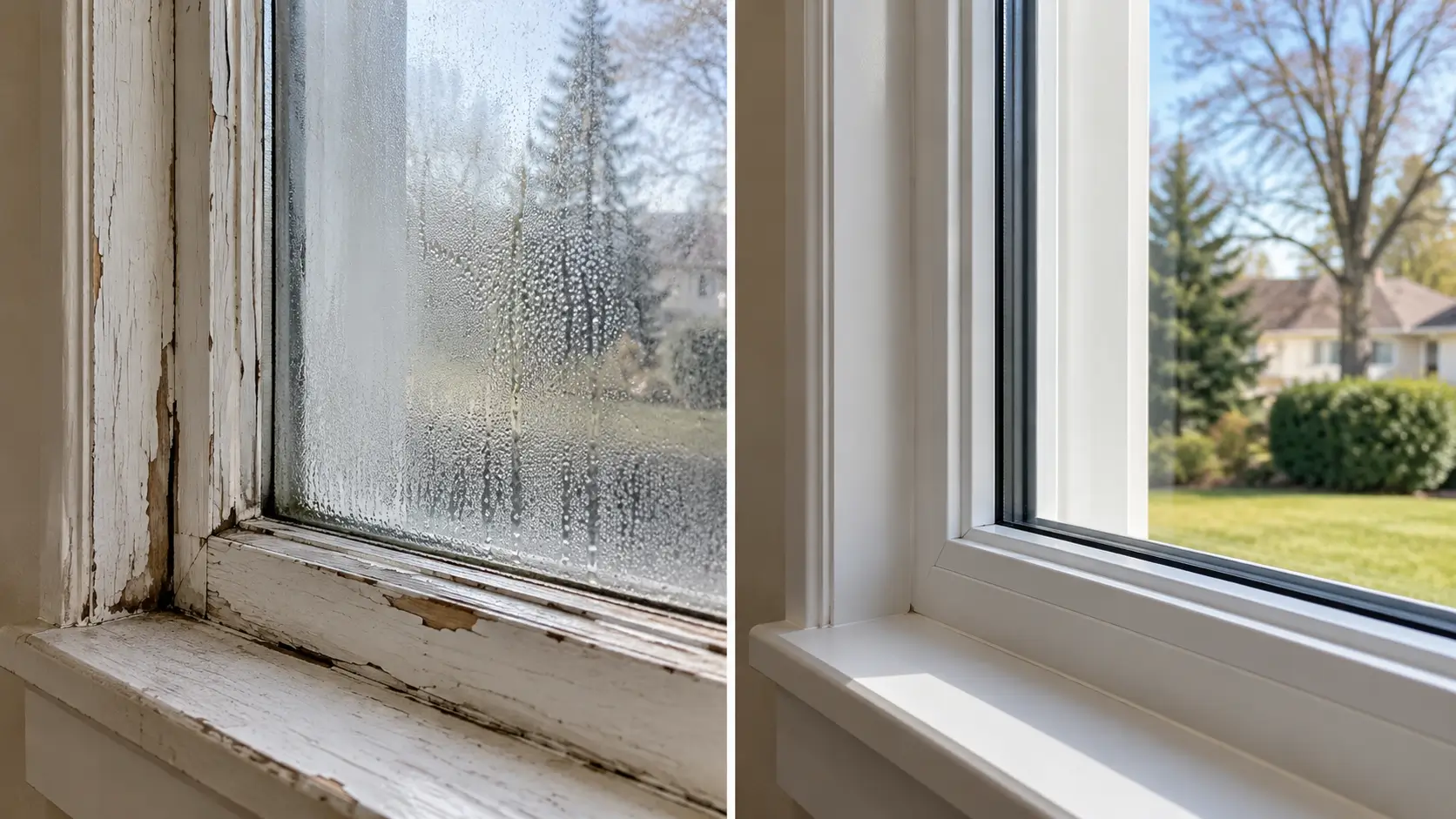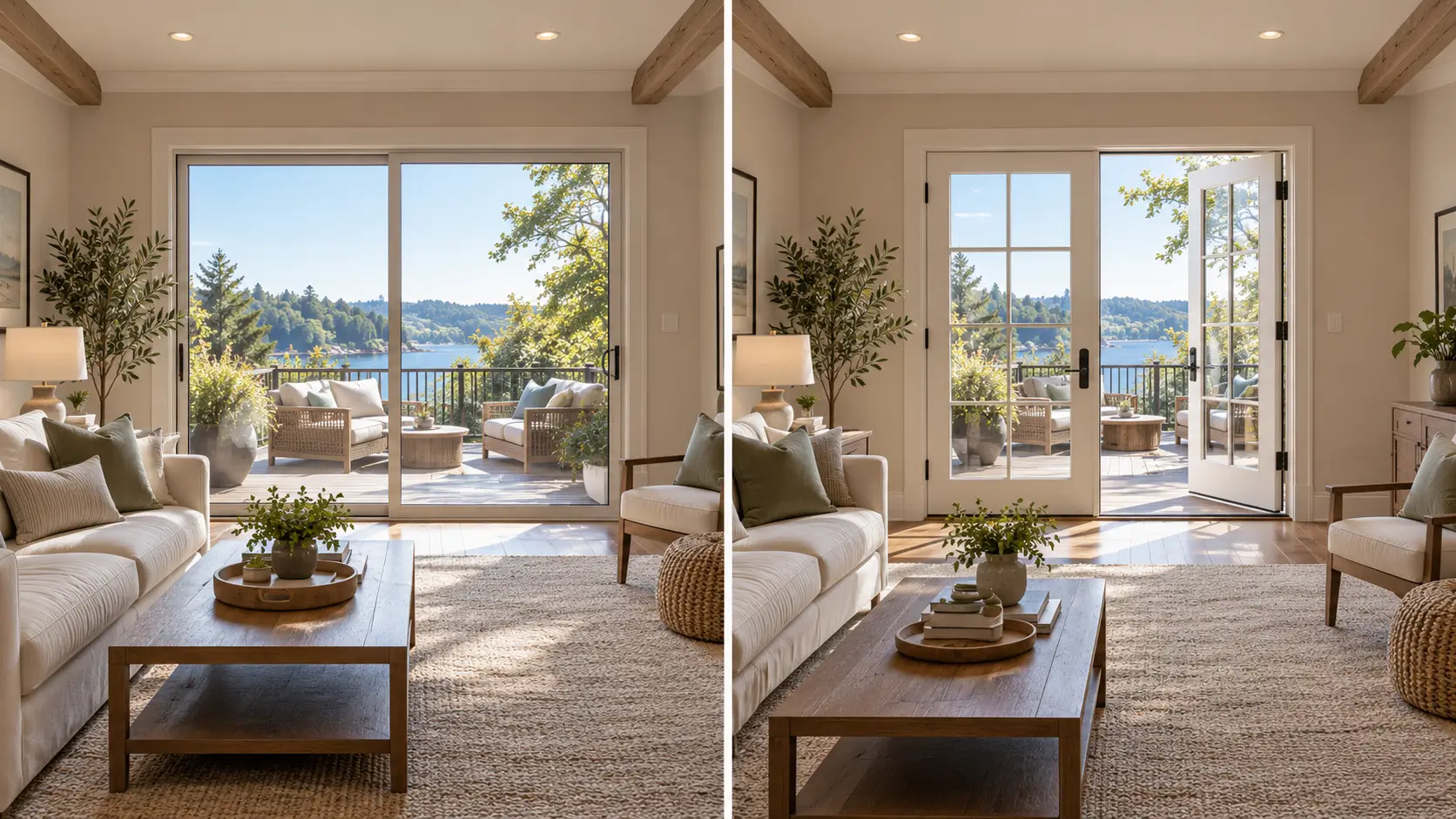
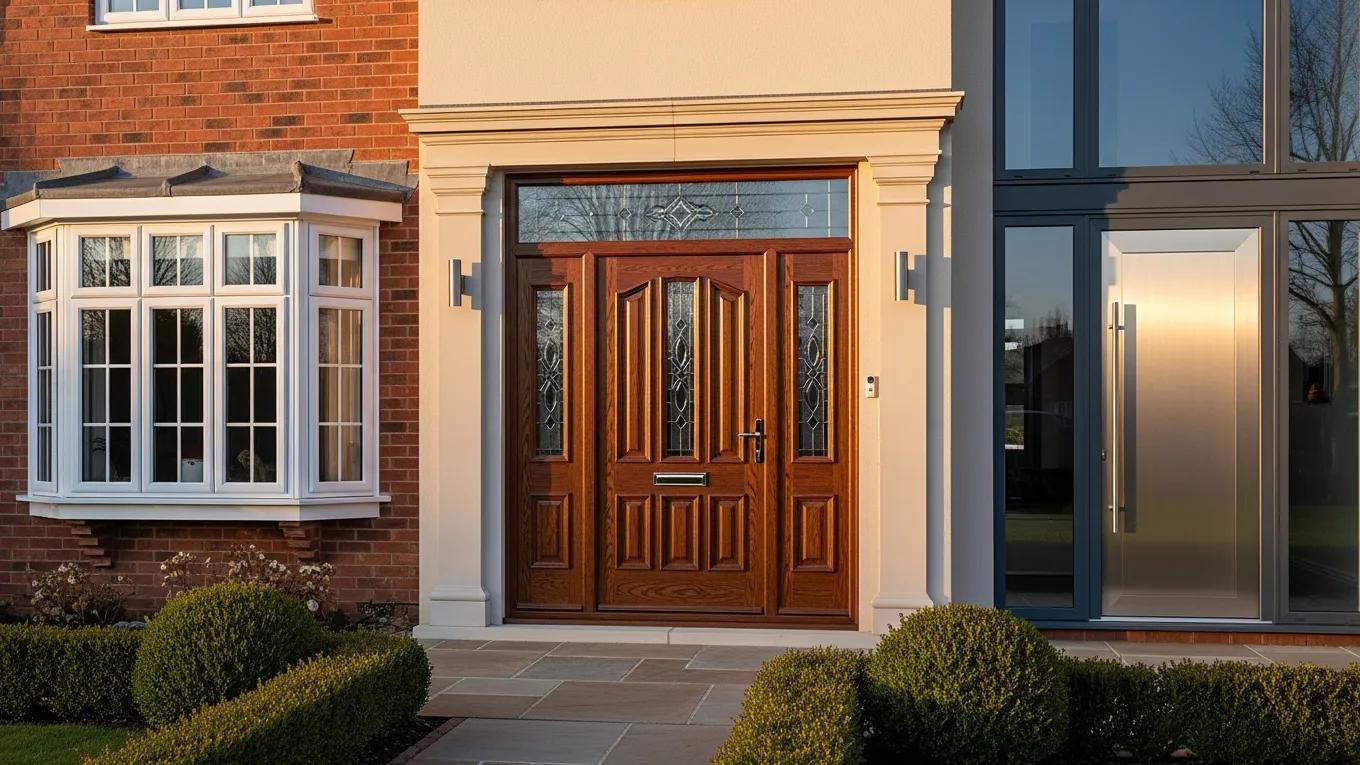
Discover the Best Materials for Windows and Doors: A Comprehensive Guide for Homeowners
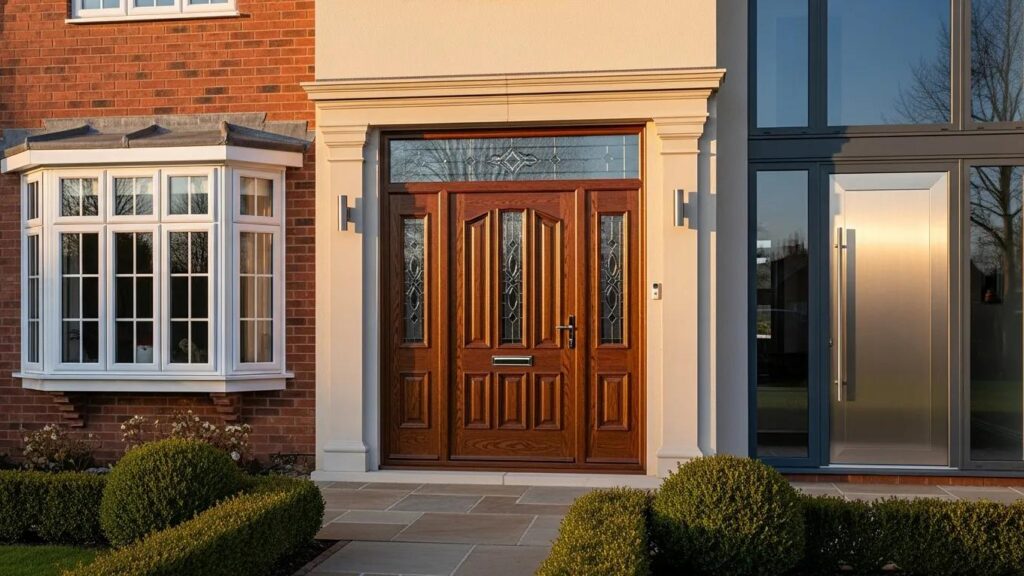
Discover the Best Materials for Windows and Doors: A Comprehensive Guide for Homeowners
By Reed Rappoli, First Light Windows & Doors
Selecting appropriate materials for windows and doors is a critical decision for homeowners seeking improved energy performance, visual appeal, and long-term durability. This guide reviews common options and the factors that influence their performance, including insulation, maintenance requirements, and weather resistance. Many homeowners find it challenging to determine which material best meets their priorities for efficiency and upkeep. The following sections describe vinyl, wood, fiberglass, and steel products, and summarise recommended installation and maintenance practices to support reliable operation.
Key Takeaways
- Choosing the right window and door materials improves energy efficiency, durability, and home aesthetics.
- Vinyl windows offer excellent insulation and low maintenance but have limited color options and heat sensitivity.
- Wood windows provide superior insulation and classic appeal but require regular maintenance to prevent rot.
- Fiberglass doors and windows are durable, energy-efficient, and resistant to warping and weather damage.
- Steel doors deliver strong security and energy efficiency but need proper coating to prevent rust.
- Professional installation is critical to avoid air leaks and maximize windows and doors’ energy performance.
- Homeowners should consider energy ratings, local climate, and long-term costs when selecting materials.
- Regular maintenance, including cleaning, seal inspection, and lubrication, extends the lifespan of windows and doors.
- Energy certifications like ENERGY STAR and NFRC ratings help identify high-performance window and door products.
Comprehensive Guide for Homeowners on Window and Door Materials
Material selection should account for energy efficiency, durability, maintenance demand, and aesthetic compatibility, since these attributes directly affect indoor comfort and operating costs. This guide offers a concise overview of the principal materials used in residential windows and doors, with their principal advantages and drawbacks. A clear understanding of these options enables homeowners to make decisions that reflect their budget and performance expectations.
Types of Materials
Several materials are commonly used for residential windows and doors, each with distinct mechanical and thermal properties. The following comparison summarises typical cost ranges, strengths, and limitations for these materials.
| Material | Cost Range | Advantages | Disadvantages |
|---|---|---|---|
| Vinyl | $300 – $800 | Energy-efficient, low maintenance | Limited color options, can warp in heat |
| Wood | $500 – $1,200 | Aesthetic appeal, excellent insulation | Requires regular maintenance, can rot |
| Fiberglass | $600 – $1,300 | Durable, energy-efficient, low maintenance | Higher initial cost |
| Steel | $400 – $1,200 | Strong, secure, energy-efficient | Can rust if not properly coated |
The table outlines typical cost ranges and the primary advantages and disadvantages of common materials to assist homeowners in selecting options that align with their financial and performance objectives.
Key Factors to Consider
When evaluating materials for windows and doors, consider the following primary factors:
- Energy Efficiency: Look for materials with good insulation properties to reduce heating and cooling costs.
- Durability: Consider how well the material will withstand weather conditions and wear over time.
- Maintenance: Evaluate the level of upkeep required to keep the materials in good condition.
- Aesthetics: Choose materials that complement your home’s design and style.
Assessing these criteria will enable homeowners to prioritise needs and select materials that best address their specific circumstances.
What Are the Most Common Window Materials and Their Benefits?
Common window materials include vinyl, wood, fiberglass, and aluminum; each provides distinct benefits depending on homeowner priorities such as thermal performance, appearance, and maintenance frequency.
- Vinyl Windows: Known for their energy efficiency and low maintenance, vinyl windows are a popular choice. They are available in various colors and styles, making them versatile for different home designs.
- Wood Windows: Wood windows provide excellent insulation and aesthetic appeal. They can be painted or stained to match any decor but require regular maintenance to prevent rot and damage.
- Fiberglass Windows: These windows are highly durable and energy-efficient. They resist warping and can be painted, offering a long-lasting solution for homeowners.
- Aluminum Windows: While not as energy-efficient as other materials, aluminum windows are strong and require minimal maintenance. They are often used in modern designs for their sleek appearance.
Life Cycle Assessment of Residential PVC, Fiberglass, and Wood-Aluminum Clad Windows
This thesis presents a life cycle assessment (LCA) of three window types commonly supplied to North American residential consumers: PVC, fiberglass, and wood clad with aluminum. The study used representative manufacturers for each type and incorporated average transportation distances, commodity systems, maintenance, and estimated service lives to construct the life cycle inventory. Inventories were organised into impact categories and evaluated using IMPACT 2002+ v2.1 characterization and damage factors. The damage modelling indicated that life cycle impacts are dominated by combustion of nonrenewable energy resources; fuel combustion contributes to increased emissions of respiratory inorganics, terrestrial acidification/nutrification impacts, and global warming. According to the study, the PVC window exhibited the highest nonrenewable energy use and the greatest damage, largely due to its shorter service life.
Life cycle assessment case study of North American residential windows, 2007
This study provides further insights into the environmental impact and longevity of different window materials, offering valuable context for homeowners weighing their options.
How Do Vinyl Windows Compare in Energy Efficiency and Maintenance?
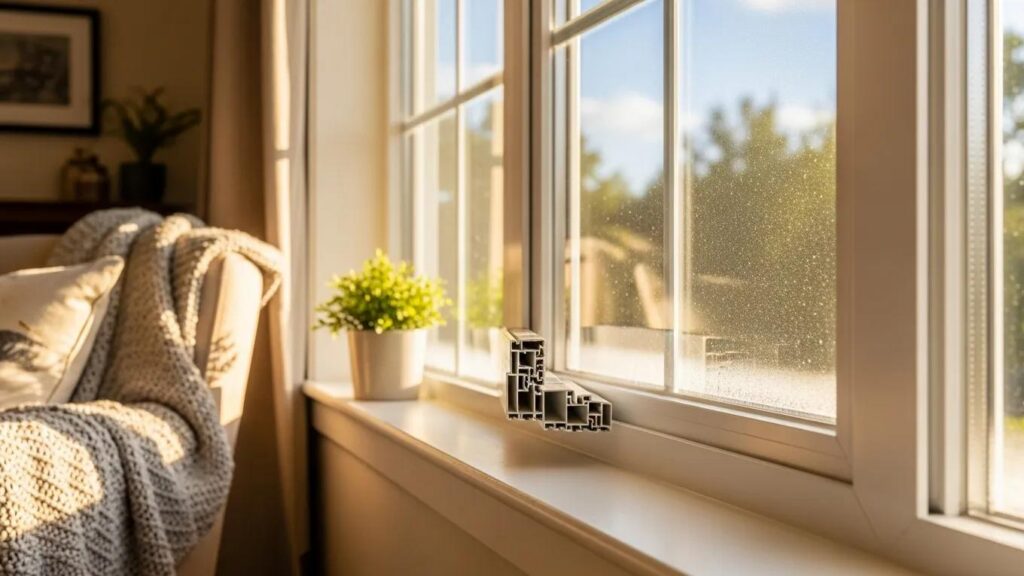
Vinyl windows are a high-performing option for thermal efficiency. Their multi-chambered frame design increases thermal resistance, reducing heat transfer in both heating and cooling seasons. Vinyl requires minimal upkeep compared with wood; it does not need painting or staining, and routine cleaning with mild soap and water is typically sufficient to maintain appearance.
What Are the Advantages and Care Tips for Wood Windows?
Wood windows deliver a traditional aesthetic and strong insulating performance and can be customised with paints or stains. They do, however, require scheduled maintenance to prevent deterioration such as rot or warping. Homeowners should:
- Inspect regularly: Check for signs of wear or damage, especially in areas exposed to moisture.
- Paint or stain: Apply protective coatings every few years to maintain their appearance and prevent deterioration.
- Clean gently: Use a soft cloth and mild detergent to clean the frames without damaging the finish.
Which Door Materials Offer the Best Durability and Energy Savings?
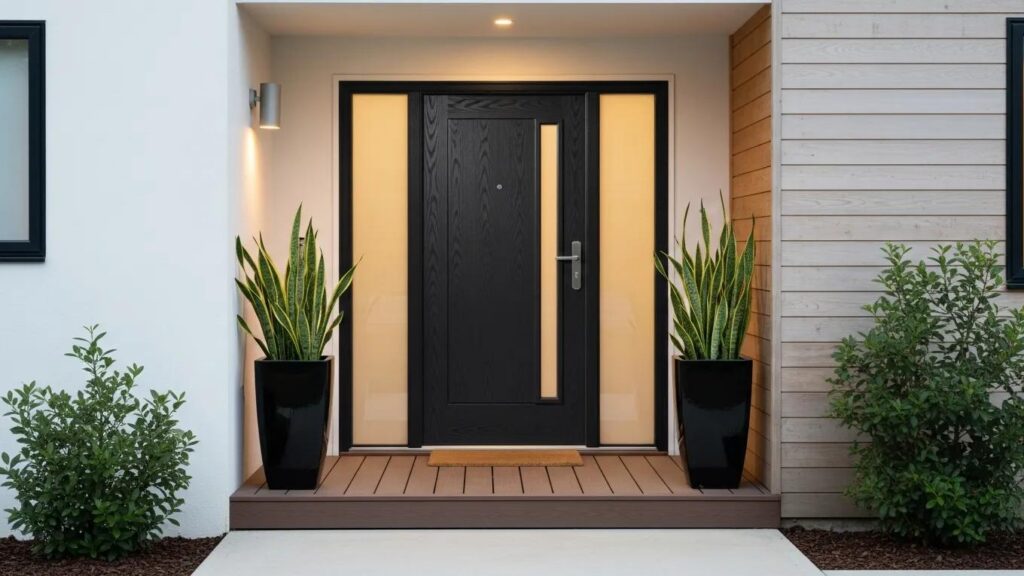
Fiberglass and steel are commonly regarded as leading choices for door durability and energy savings. For homeowners seeking a reputable supplier of these products, First Light Windows & Doors provides a comprehensive selection of doors and related solutions.
- Fiberglass Doors: These doors are resistant to dents and scratches, making them an excellent choice for high-traffic areas. They also provide superior insulation, helping to reduce energy costs.
- Steel Doors: Known for their strength and security, steel doors are also energy-efficient when properly insulated. They can be painted to match the home’s exterior and require minimal maintenance.
Why Choose Fiberglass Doors for Long-Lasting Performance?
Fiberglass doors offer durable, energy-efficient performance and resist common failure modes such as warping, cracking, and fading. They can be finished to resemble wood, providing the desired aesthetic while reducing maintenance requirements compared with natural timber.
How Do Steel and Wood Doors Differ in Strength and Maintenance?
Steel doors provide greater structural strength and improved resistance to forced entry compared with wood doors. Wood doors, by contrast, offer a warmer, traditional appearance that many homeowners value. From a maintenance perspective, steel requires less frequent upkeep, whereas wood typically needs regular painting or staining to preserve appearance and performance.
How Do Window Frame Types Affect Home Aesthetics and Functionality?
Window frame selection influences both the visual character and operational performance of a home. Vinyl frames are available in multiple colours and styles, offering versatility for varied architectural designs. Wood frames deliver a classic appearance and can be customised, but they require greater maintenance. Aluminum frames provide a sleek, modern aesthetic and notable durability, though they may not insulate as well as vinyl or wood.
What Installation Practices Ensure Optimal Performance of Windows and Doors?
Correct installation is fundamental to achieving the intended performance and service life of windows and doors. Homeowners should consider the following practices:
- Hire Professionals: Engaging experienced installers can help avoid common mistakes that lead to air leaks and water intrusion.
- Follow Manufacturer Guidelines: Adhering to the manufacturer’s installation instructions ensures that the products perform as intended.
- Use Quality Materials: Investing in high-quality caulking and insulation materials can enhance the overall performance of windows and doors.
Why Is Professional Installation Critical for Energy Efficiency?
Professional installation reduces the risk of air and water infiltration that can compromise energy performance. Trained installers ensure proper sealing, insulation, and alignment, which preserves thermal performance and occupant comfort while minimising energy waste.
What Are Best Practices for Maintaining Installed Windows and Doors?
To preserve functionality and extend service life, follow routine maintenance practices:
- Regular Cleaning: Clean frames and glass periodically to maintain appearance and functionality.
- Inspect Seals: Check weather stripping and seals for wear and replace them as needed to prevent drafts.
- Lubricate Moving Parts: For doors and windows with moving parts, regular lubrication can prevent sticking and ensure smooth operation.
How Can Homeowners Evaluate Energy Efficiency and Cost When Choosing Materials?
Homeowners should evaluate energy ratings, projected lifetime costs, and material suitability for local climate conditions when comparing options. Prioritising long-term performance and maintenance needs often yields better value than selecting solely on upfront price.
What Energy Ratings and Certifications Should You Look For?
Look for recognised energy and performance certifications when selecting windows and doors. Key credentials to consider include:
- ENERGY STAR: Indicates that the product meets strict energy efficiency guidelines set by the U.S. Environmental Protection Agency.
- NFRC Ratings: The National Fenestration Rating Council provides ratings for energy performance, including U-factor, solar heat gain coefficient, and visible transmittance.
How Do Material Costs Compare Over the Long Term?
Initial purchase prices vary across materials, but long-term costs must account for maintenance and energy savings. For example, wood windows typically require a higher upfront investment but can deliver energy savings over time; vinyl options often have lower initial cost and reduced maintenance expenses. For expert advice and customised solutions, homeowners can consult and reach out to experienced professionals.
Which Window Material Lasts the Longest in Beverly, MA Climate?
In the Beverly, MA climate, fiberglass windows generally exhibit the greatest longevity because they resist moisture and thermal cycling. Their strong insulating properties and low maintenance requirements make them well suited to this regional environment.
How to Choose Door Materials for Maximum Energy Savings?
To maximise energy savings, prioritise the following criteria when selecting door materials:
- Insulation Value: Look for doors with high insulation ratings to minimize heat transfer.
- Weather Resistance: Select materials that can withstand local weather conditions without deteriorating.
- Quality Seals: Ensure that doors have quality seals to prevent drafts and improve energy efficiency.
Frequently Asked Questions
What factors should I consider when choosing window and door materials?
Consider energy efficiency, durability, maintenance requirements, and aesthetics. Energy-efficient materials reduce heating and cooling costs. Durability ensures performance in your local climate. Maintenance varies by material—wood typically requires more care than vinyl—so select options that match your maintenance preferences and design goals.
How can I improve the energy efficiency of my existing windows and doors?
Begin by inspecting and replacing worn seals and weather stripping. Apply caulking to gaps around frames and consider window film or thermal curtains to reduce heat loss. For older or particularly inefficient units, evaluate retrofit measures or full replacement with certified energy-efficient products.
What are the environmental impacts of different window materials?
Environmental impacts differ by material and life cycle. PVC often involves higher production energy and may have a shorter service life, increasing life-cycle impacts. Wood can be renewable if sourced responsibly. Fiberglass typically offers a balance of durability and efficiency, which can reduce lifetime environmental burden. Review life cycle assessments when possible to inform decisions.
How do I know if my windows and doors are energy-efficient?
Check for ENERGY STAR certification and NFRC ratings, which report U-factor, solar heat gain coefficient, and visible transmittance. Visible drafts or persistent condensation are indicators of reduced performance. For a definitive assessment, commission a professional energy audit.
What maintenance practices can extend the lifespan of my windows and doors?
Carry out regular cleaning of glass and frames, inspect and replace seals and weather stripping as needed, apply protective coatings to wood every few years, and lubricate moving parts to ensure smooth operation. These actions help preserve function and appearance over time.
Are there specific materials better suited for coastal climates?
Coastal environments demand resistance to moisture and corrosion. Fiberglass and vinyl perform well in salt-exposed conditions. Steel may be acceptable when appropriately coated to prevent rust. Wood can be used but requires vigilant maintenance to prevent rot and warping.
What are the cost differences between various window and door materials?
Cost ranges vary: vinyl windows typically run $300 to $800; wood windows $500 to $1,200; fiberglass doors and windows $600 to $1,300; and steel doors $400 to $1,200. Evaluate both initial purchase price and projected long-term savings from energy efficiency and maintenance.
Conclusion
Selecting appropriate materials for windows and doors improves energy efficiency, appearance, and durability. Understanding the specific benefits of vinyl, wood, fiberglass, and steel allows homeowners to make informed choices aligned with performance and maintenance priorities. Regular maintenance and professional installation further ensure optimal operation and service life. For tailored guidance and product options, contact our team for expert assistance.