Author: firstlight

  • Custom Door Designs That Transform Your Home

    Custom Door Designs That Transform Your Home

    Custom Door Designs That Transform Your Home

    Custom Doors That Transform Your Home — Expert Solutions for Homeowners

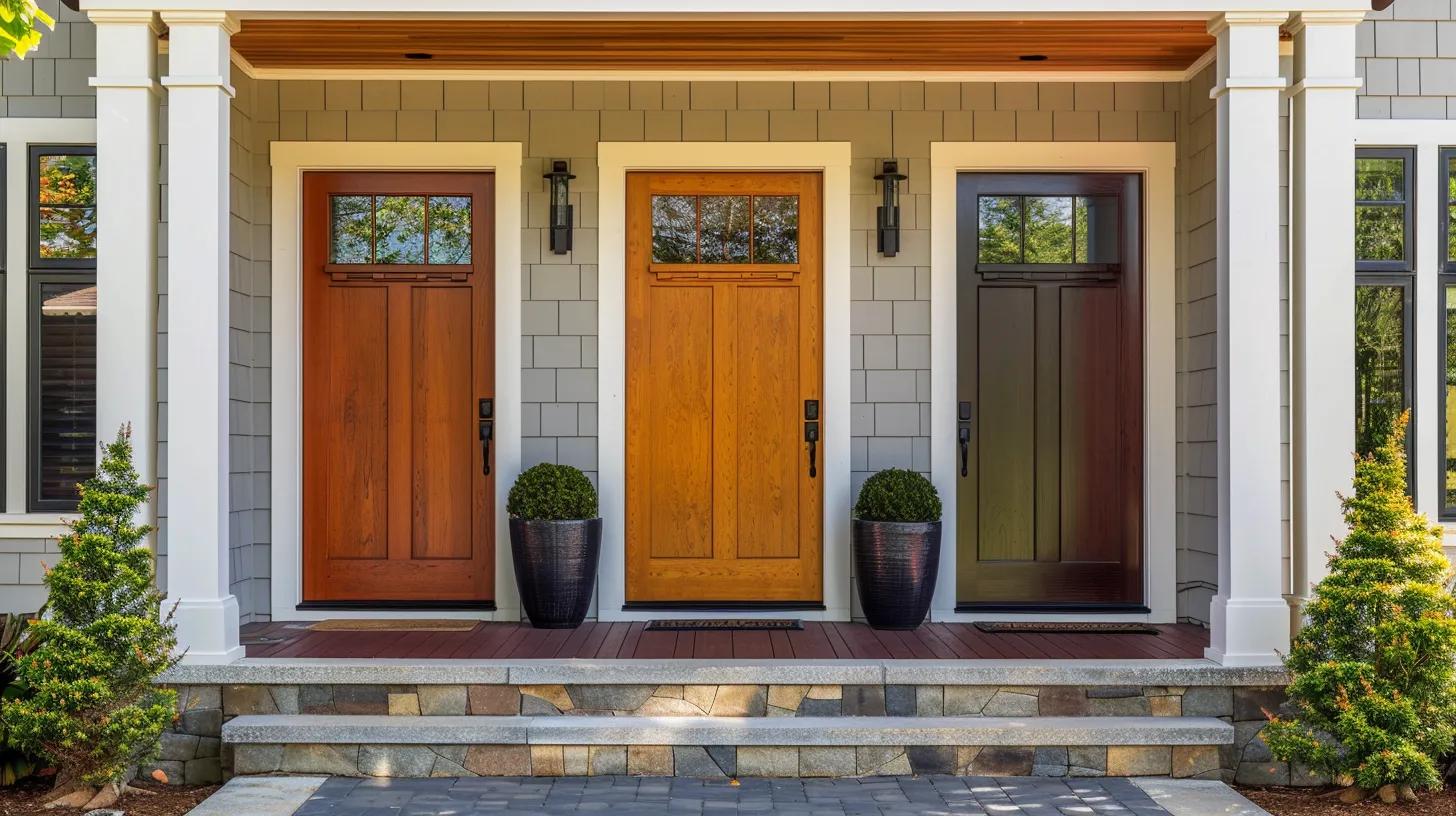
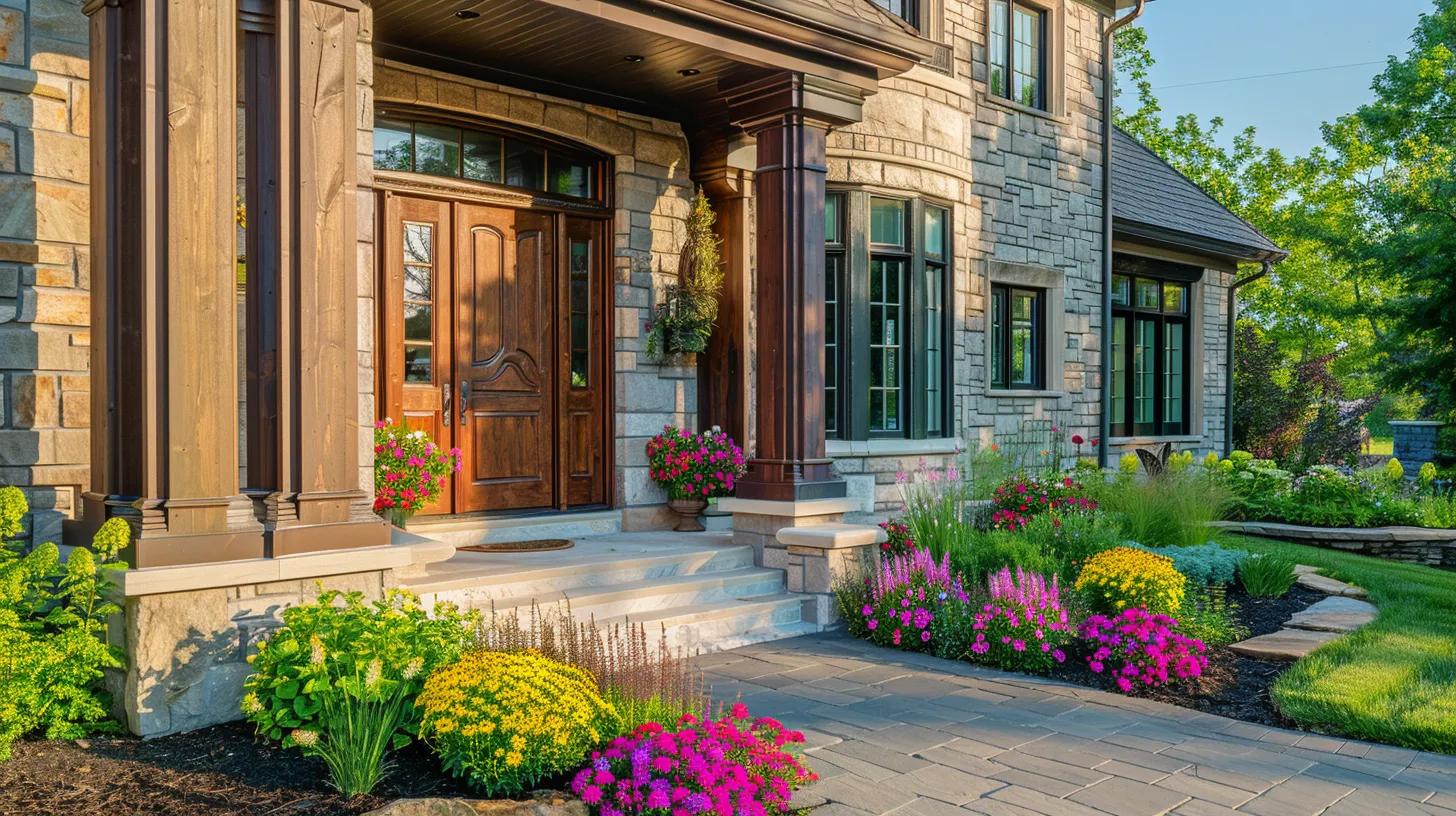
    Custom doors can dramatically improve a home’s curb appeal, comfort, and long‑term value. Homeowners want doors that look right for their house and perform well year after year. This article walks through popular styles, material pros and cons, installation best practices, and the key benefits of choosing a custom exterior door so you can make confident decisions that boost appearance, function, and energy efficiency.

    Key Takeaways

    • Custom doors combine style and performance to match a homeowner’s personal taste and the home’s architecture.
    • Common styles—traditional, modern, and Craftsman—fit different design priorities and building types.
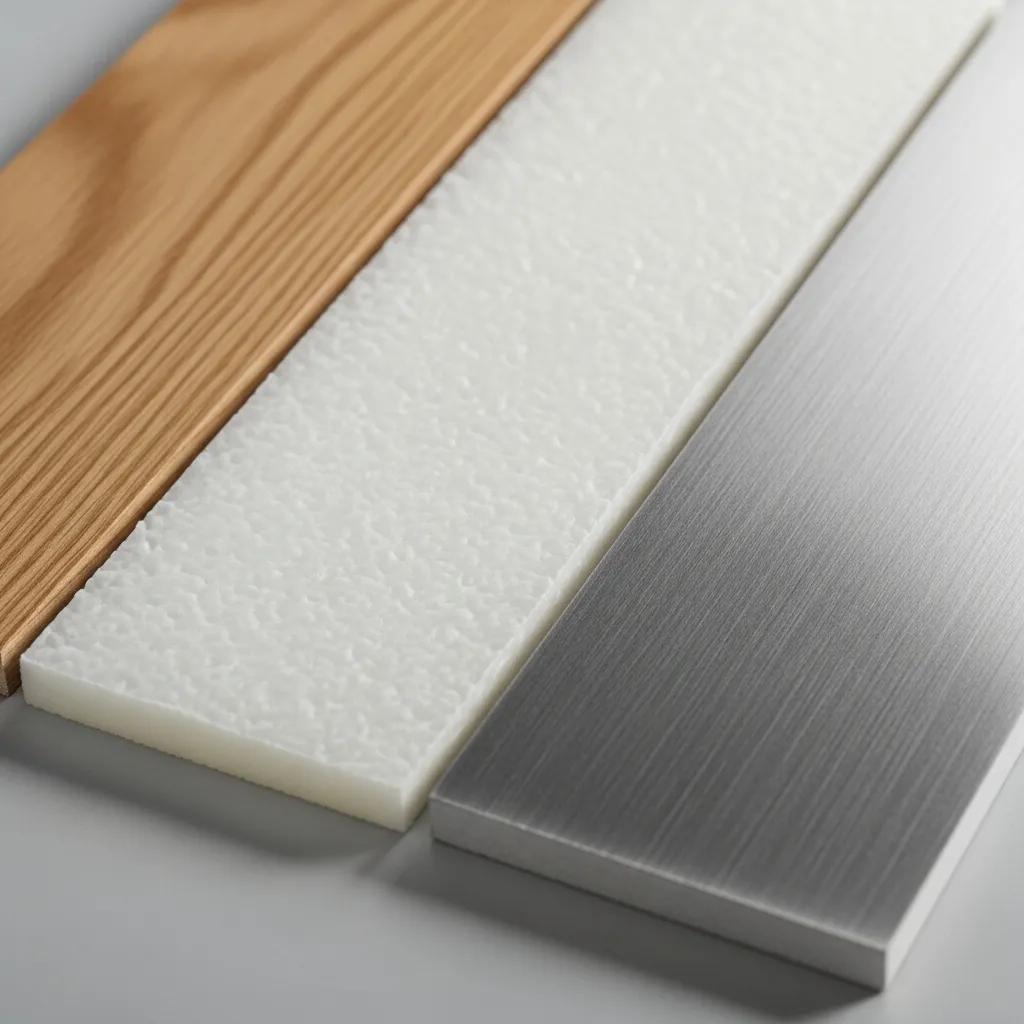
    • Wood, fiberglass, and steel each offer distinct trade‑offs in look, durability, and upkeep.
    • Professional installation and proper weatherproofing are essential for long‑term performance.
    • Well‑designed custom exterior doors can increase resale value and enhance curb appeal.
    • Contemporary doors offer improved insulation that lowers heating and cooling costs.
    • Routine maintenance—inspections, cleaning, and lubrication—extends a door’s service life.
    • Prices depend on material, design complexity, and installation; financing can help spread costs.
    • Choose a door style that fits your home’s architecture, intended function, and exterior color palette.

    Design Options

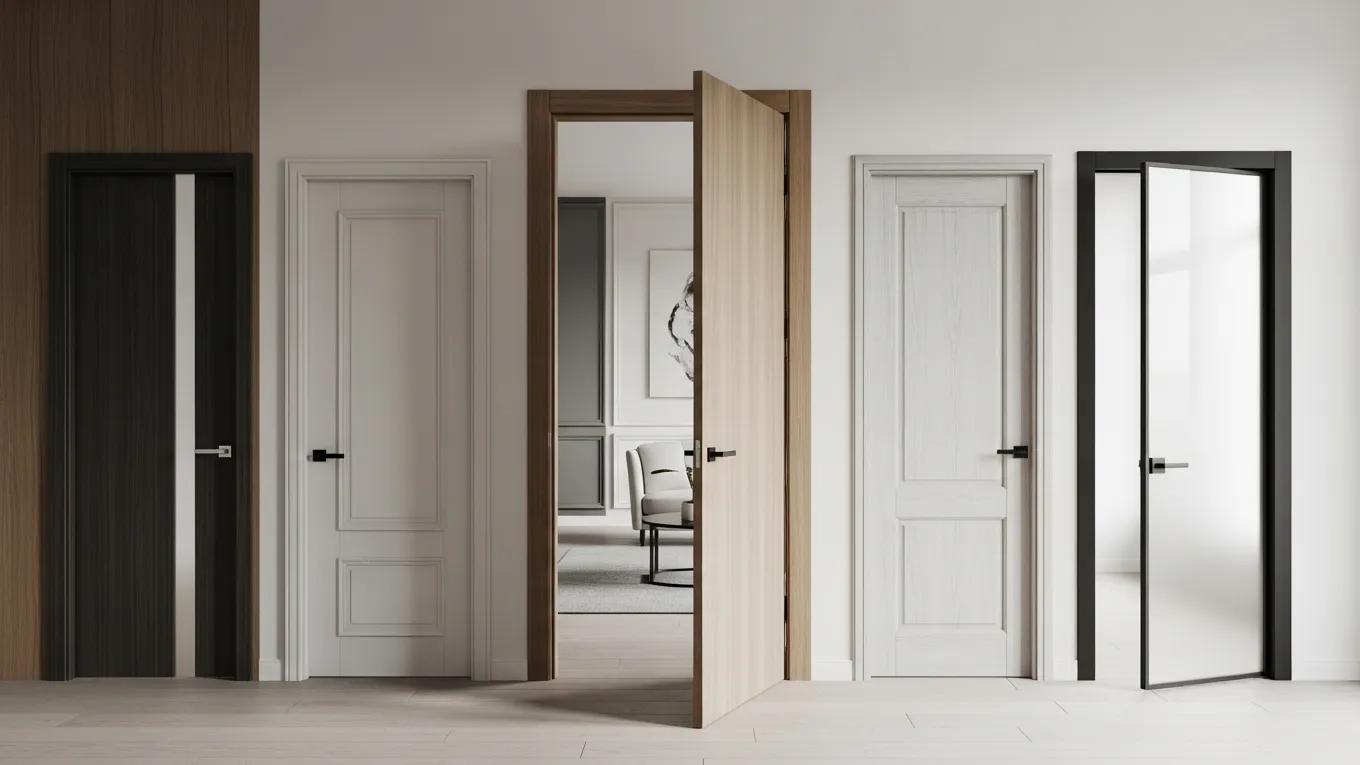
    There’s a wide variety of custom door styles to choose from. Each style is meant to harmonize with specific architectural looks and help create a cohesive exterior.

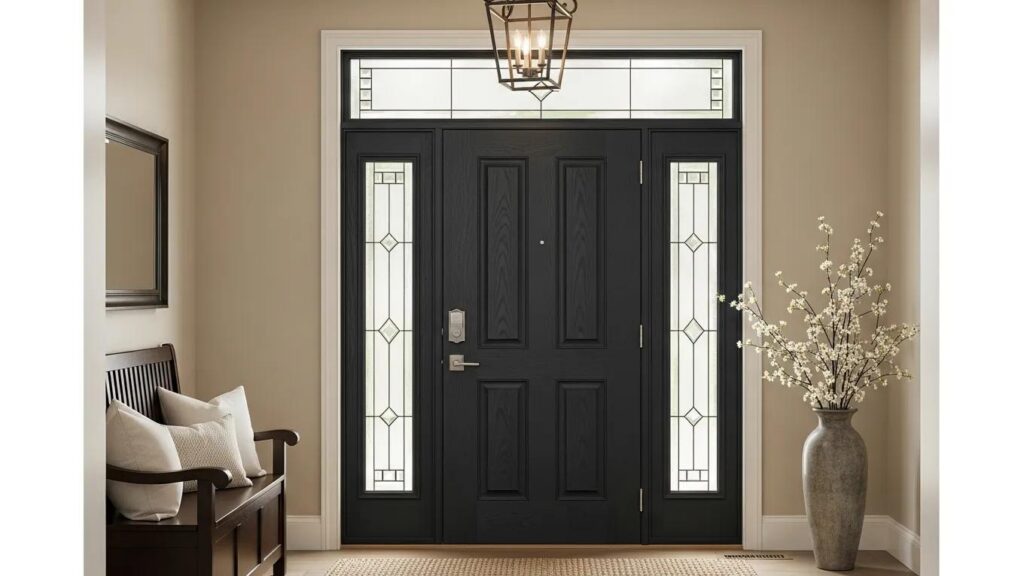
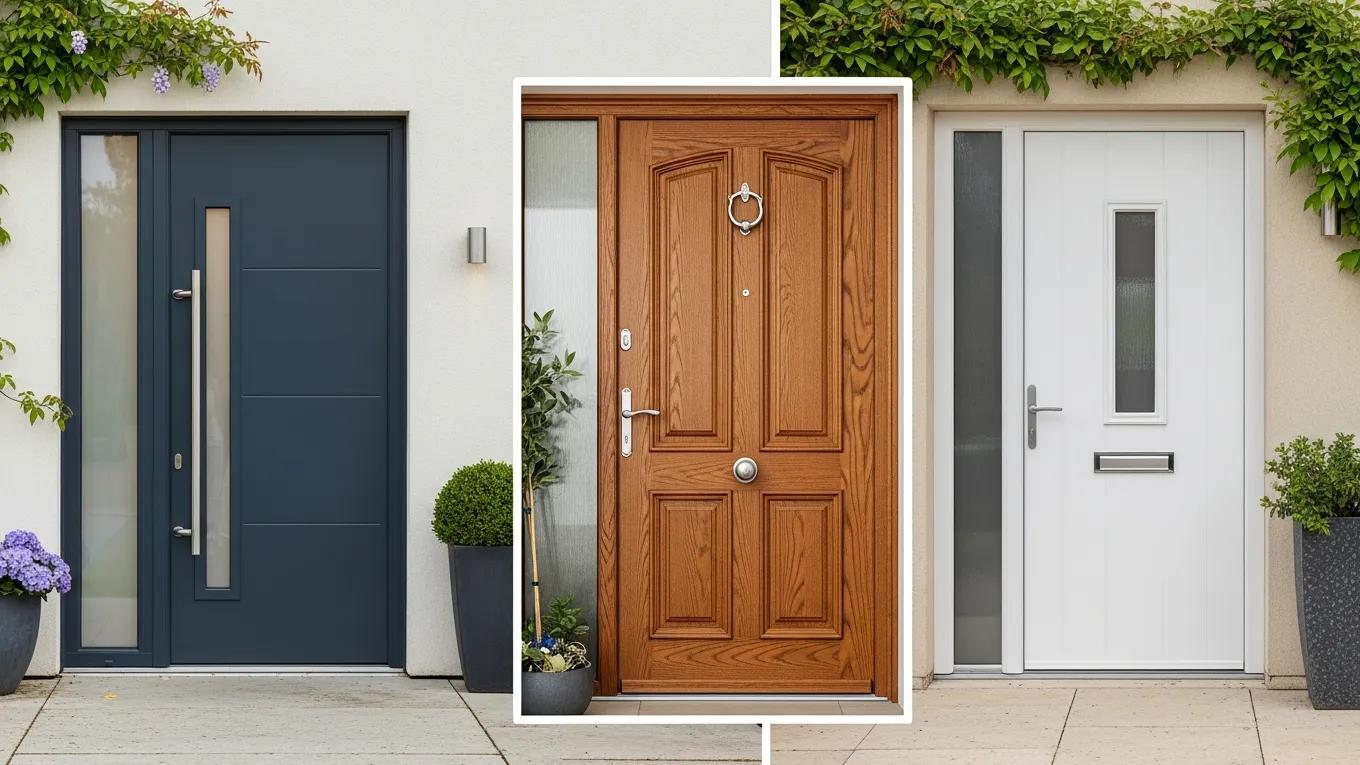
    • Traditional Styles : Classic profiles, raised panels, and detailed moldings work well on period or historically inspired homes.
    • Modern Styles : Clean lines, minimal hardware, and smooth finishes create a contemporary, streamlined entrance.
    • Craftsman Styles : Emphasizing handcrafted details and natural materials, these doors pair nicely with bungalow and artisan architecture.

    Within each category, details like glass, trim, and hardware can be customized to achieve the exact look you want.

    Materials

    Your material choice affects appearance, maintenance needs, and longevity. Consider how each material aligns with your performance expectations and upkeep plan.

    • Wood : Offers warm, natural character and a range of finish options. Wood requires regular care to prevent warping and weather damage.
    • Fiberglass : Replicates wood grain while resisting dents, rot, and harsh weather. Fiberglass is energy efficient and low maintenance.
    • Steel : Provides strong security and durability. Steel doors can be insulated for energy performance and suit modern or industrial looks.

    Pick the material that best balances your aesthetic goals with long‑term maintenance and performance.

    Installation Tips

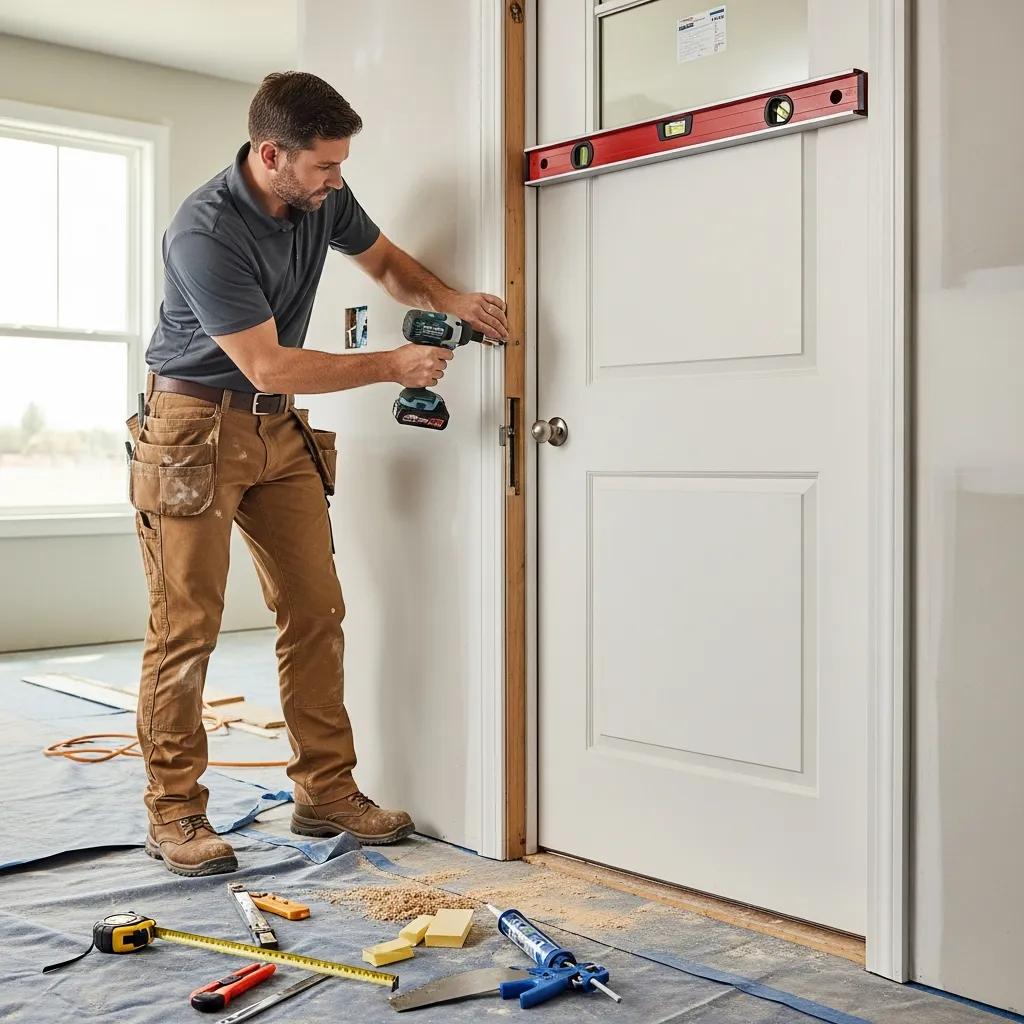
    Correct installation makes the difference between a door that performs and one that causes problems. Follow these practical steps.

    • Hire Professionals : Experienced installers ensure accurate fit, proper sealing, and reliable operation. Contact First Light Windows and Doors for expert installation services.
    • Preparation : Verify the opening is square and clear of obstructions before the install to avoid delays and alignment issues.
    • Weatherproofing : Proper flashing, sealants, and insulation at installation preserve energy performance and prevent drafts.

    Following these steps helps secure a precise fit and long‑lasting operation.

    Benefits of Custom Exterior Doors

    Custom exterior doors offer more than a visual upgrade—they can raise a home’s marketability and deliver energy savings when chosen with thermal performance in mind.

    • Increased Home Value : A thoughtfully designed front door improves curb appeal and attracts buyers.
    • Enhanced Curb Appeal : A distinctive door creates a welcoming focal point for guests and passersby.
    • Energy Savings : Many modern custom doors include insulation and tight seals that reduce heating and cooling costs.

    For homeowners in Beverly, MA, First Light Windows and Doors specializes in custom door design and installation, balancing beauty and performance.

    How Do Custom Doors Enhance Home Aesthetics and Value?

    A custom door creates a signature entry that reflects your design choices and can change how a property is perceived. The right door improves curb appeal and can boost resale value by making a strong first impression.

    What Energy Efficiency Advantages Do Modern Doors Offer?

    Modern custom doors use improved insulation, multi‑point seals, and tighter construction to stabilise indoor temperatures and reduce heating and cooling demand—translating to lower utility bills and greater occupant comfort.

    Which Door Materials Are Best for Custom Designs?

    Choose materials based on desired aesthetics, maintenance commitment, and durability. Fiberglass, wood, and steel are common choices, each with clear performance differences.

    • Fiberglass Doors : Durable, low maintenance, and highly resistant to dents and moisture. Fiberglass can convincingly mimic wood while delivering superior insulation.
    • Wood Doors : Offer timeless beauty and rich finishes but need regular maintenance to protect against moisture and pests.
    • Steel Doors : Strong and secure, steel doors are well suited to modern homes and can be insulated to improve thermal performance.

    Match the material to your priorities—appearance, upkeep, or thermal performance—to find the best fit.

    What Are the Features of Wooden Front Doors?

    • Customizability : A wide range of wood species, stains, and profiles lets you craft a unique look.
    • Insulation : Solid wood offers good thermal mass and can help regulate indoor temperatures.
    • Aesthetic Appeal : Natural grain and texture add warmth and character to any entryway.

    Keep the maintenance needs of wood in mind to preserve its appearance and lifespan.

    Why Choose Fiberglass or Steel Doors for Durability?

    Fiberglass and steel are top choices when long life and low maintenance are priorities. Both resist common forms of environmental damage and require less upkeep than wood.

    • Fiberglass Doors : Resist warping, cracking, and fading across a wide range of climates, and provide strong insulation.
    • Steel Doors : Offer robust security and weather resistance; add insulation for improved energy performance.

    Either option delivers dependable long‑term performance for homeowners seeking low‑maintenance solutions.

    How to Choose the Right Door Style for Your Home?

    Select a door that suits the home’s architectural character, meets functional needs, and complements exterior finishes. These factors guide a consistent and practical choice.

    • Architectural Compatibility : Match the door’s style to your home—traditional, modern, or transitional—to maintain visual harmony.
    • Functionality : Think about security, insulation, and how the door will be used (front entry, patio, or side door). For patio doors, consider residential sliding door replacement options.
    • Color and Finish : Pick colors and finishes that coordinate with siding, trim, and landscaping for a polished exterior.

    Considering these elements helps you choose a door that performs well and looks like it belongs.

    What Are Popular Modern Door Styles and Their Characteristics?

    Modern doors favor simplicity and natural light. Typical options include smooth panel doors, large glass panels, and sliding systems that blur indoor‑outdoor boundaries.

    • Flat Panel Doors : Smooth, unadorned surfaces create a minimalist look.
    • Glass Panel Doors : Large glass areas brighten interiors while keeping a modern profile.
    • Sliding Doors : Great for patios, sliding systems provide easy access and uninterrupted views. Learn more about sliding door replacement.

    These styles support contemporary lifestyles and increase daylight inside the home.

    How Do Traditional and Craftsman Designs Compare?

    Traditional and Craftsman doors differ in detailing and material emphasis, each suiting different homeowner tastes and building types.

    • Traditional Designs : Feature classic details like raised panels and decorative hardware—ideal for timeless or period homes.
    • Craftsman Designs : Highlight handcrafted details, exposed joinery, and natural wood finishes for a warm, artisanal feel.

    Choose the style that best reflects your home’s character and your personal aesthetic.

    What Does the Custom Door Installation Process Involve?

    Installation determines how well a door performs. The typical process follows consultation, precise measurement and design, professional installation, and a final inspection.

    • Initial Consultation : Discuss needs, style preferences, and performance goals with an installer to identify the best options. Reach out via contact us to start.
    • Measurement and Design : Exact measurements and tailored design work ensure the door fits and functions as intended.
    • Installation : Installers follow manufacturer guidelines for alignment, sealing, and insulation.
    • Final Inspection : A thorough check confirms smooth operation and proper sealing.

    Following this sequence helps guarantee a successful install and long‑term reliability.

    How Can You Maintain and Care for Custom Doors?

    Regular maintenance keeps doors looking and working their best. Key tasks include scheduled inspections, material‑appropriate cleaning, and lubricating moving parts.

    • Regular Inspections : Look for cracks, warping, or hardware wear and address issues quickly.
    • Cleaning : Use recommended cleaners for the door material; wood benefits from occasional polishing.
    • Lubrication : Keep hinges and locks lubricated for smooth operation.

    Consistent care preserves both function and appearance.

    What Are Best Practices for Door Maintenance and Longevity?

    To protect your investment, perform seasonal checks, apply protective finishes when needed, and repair damage promptly to avoid bigger problems.

    • Seasonal Maintenance : Inspect doors during seasonal changes to catch weather‑related issues early.
    • Protective Coatings : Apply sealants or finishes to wood doors to guard against moisture and UV damage.
    • Prompt Repairs : Fix chips, gaps, or hardware issues right away to prevent further deterioration.

    These steps help keep doors structurally sound and visually appealing for years.

    How to Address Common Door Wear and Repair Needs?

    Many common problems have straightforward fixes: touch up surfaces, adjust hinges for alignment, or replace worn weather stripping to restore performance.

    • Scratches and Dents : Small blemishes can be touched up; deeper damage may require professional patching.
    • Misalignment : Adjusting hinges or strike plates usually corrects closing problems.
    • Weather Stripping : Replacing worn strips restores thermal performance and reduces drafts.

    Timely repairs help avoid bigger, costlier problems down the road.

    What Are the Cost and Financing Options for Custom Doors?

    Price varies with material, design detail, and installation complexity. Understanding those drivers helps you budget effectively.

    • Material Choice : Different materials carry different price points—fiberglass often costs more than basic steel but can offer better insulation.
    • Design Complexity : Intricate custom work and specialty finishes increase the overall cost.
    • Installation Costs : Professional installation adds to the total but ensures a correct fit and long‑term performance.

    Homeowners should explore financing options available through companies like First Light Windows and Doors to make projects more manageable.

    How Much Does Custom Door Installation Typically Cost?

    Typical costs depend on material and labour. Knowing the breakdown helps with realistic budgeting.

    • Material Costs : Fiberglass doors often start near $1,000, while high‑end wood doors can exceed $3,000.
    • Labor Costs : Professional installation commonly adds $300 to $800, depending on complexity.
    • Customization Fees : Extra detailing and bespoke features can increase the final price.

    Understanding these elements lets homeowners plan and allocate funds more accurately.

    What Financing Solutions Are Available for Homeowners?

    Common financing choices include home improvement loans, credit cards for smaller projects, and manufacturer or dealer financing programs.

    • Home Improvement Loans : Local banks and credit unions offer loans that let you spread the cost over time.
    • Credit Cards : Cards can cover smaller projects quickly, but watch interest rates.
    • Manufacturer Financing : Some suppliers, including First Light Windows and Doors, may offer financing plans or work with lenders to make projects more affordable.

    Comparing these options helps you choose the best payment plan for your project.

    Frequently Asked Questions

    What are the most common mistakes homeowners make when choosing custom doors?

    Common missteps include ignoring architectural fit, overlooking functional needs like insulation and security, and underestimating maintenance for certain materials. Addressing these early leads to smarter, longer‑lasting choices.

    How can custom doors improve home security?

    Security improves through stronger materials, reinforced frames, and advanced locking systems. Steel construction and multi‑point locks make forced entry much harder, and precise installation removes vulnerable gaps.

    What are the environmental benefits of choosing energy-efficient custom doors?

    Energy‑efficient doors reduce heating and cooling demand by improving insulation and sealing, which lowers utility bills and cuts a home’s carbon footprint.

    How do I ensure the longevity of my custom doors?

    Longevity comes from regular care: seasonal inspections, appropriate cleaning, protective coatings where needed, hardware lubrication, and prompt repairs.

    What should I consider when selecting a door color and finish?

    Pick colors and finishes that complement your siding, trim, and landscaping. Consider maintenance—darker colors may show dirt more quickly—and choose a finish that suits your chosen style and upkeep routine.

    Are there any specific building codes or regulations for custom door installations?

    Codes and regulations vary by location and may cover energy performance, fire safety, and accessibility. Always check local requirements or consult a qualified installer to ensure compliance.

    Conclusion

    Custom doors are a practical way to lift a home’s appearance, performance, and value. By selecting the right materials, styles, and professional installation, homeowners can enjoy improved curb appeal, better energy efficiency, and lasting performance. Explore custom door solutions to create an entrance that suits your home and lifestyle.

  • Explore Top Exterior Door Styles for Home Upgrades

    Explore Top Exterior Door Styles for Home Upgrades

    Explore Top Exterior Door Styles for Home Upgrades

    Explore Top Exterior Door Styles for Home Upgrades: A Comprehensive Guide for Homeowners

    Upgrading exterior doors improves a home’s appearance and functional performance. Homeowners may select from multiple styles and materials to match architectural character while enhancing insulation and security. This guide examines leading exterior door styles, details material advantages, outlines current design trends, and summarises essential installation considerations. Understanding these elements enables informed choices that increase curb appeal and long-term property value. Coverage includes popular materials, design features, installation steps, energy performance, and local considerations for Beverly, MA. For professional exterior door replacement services, visit First Light Windows and Doors.

    Key Takeaways

    • Exterior door upgrades enhance home aesthetics, energy efficiency, and security for homeowners.
    • Fiberglass doors offer durability, low maintenance, and superior insulation for energy savings.
    • Steel doors provide high security with low maintenance but require rust prevention cleaning.
    • Wood doors deliver customizable aesthetics but need regular painting or staining for upkeep.
    • Modern door designs feature large glass panels, sleek hardware, and energy-efficient insulated glass.
    • Custom exterior doors allow personalized styles with unique materials, colors, and decorative elements.
    • Professional installation ensures proper fitting, maximizing door performance and longevity in Beverly, MA. Learn more about professional installation at First Light Windows and Doors About Us.
    • Energy-efficient doors with high energy ratings reduce heating costs and improve home comfort.
    • Smart locks and impact-resistant technologies enhance security and convenience for exterior doors.

    What Are the Most Popular Exterior Door Materials for Home Upgrades?

    When considering exterior door upgrades, the choice of material is crucial. The most popular materials include fiberglass, steel, and wood, each offering unique benefits and drawbacks. Understanding these materials can help homeowners select the best option for their needs. For more information on door materials and options, check out residential exterior door replacement services.

    MaterialBenefitsMaintenance Requirements
    FiberglassDurable, energy-efficient, low maintenanceOccasional cleaning, no painting needed
    SteelHigh security, low maintenanceRegular cleaning to prevent rust
    WoodAesthetic appeal, customizableRegular painting or staining

    Selecting the appropriate material enhances security, thermal performance, and visual appeal. For example, fiberglass doors combine durability with effective insulation, making them a practical option for homeowners seeking reduced energy costs. Explore fiberglass door options at First Light Windows and Doors.

    Benefits of Fiberglass Entry Doors for Durability and Energy Efficiency

    Close-up of a fiberglass entry door highlighting its durability and energy efficiency features

    Fiberglass entry doors deliver durable performance and improved energy efficiency. They resist warping and cracking in adverse weather better than wood and provide strong insulation that can lower heating and cooling expenses. Their low maintenance profile eliminates the need for regular painting or staining. For expert fiberglass door installation, visit First Light Windows and Doors.

    Advantages of Steel Exterior Doors in Security and Maintenance

    Steel exterior door emphasizing security features and modern design in a home entrance

    Steel exterior doors offer high security through robust construction that resists forced entry. They require minimal maintenance—periodic cleaning and touch-up to prevent corrosion—and are frequently offered at lower installed costs than comparable wood or fiberglass models. For steel door options and installation, see First Light Windows and Doors.

    How Do Modern Exterior Door Designs Enhance Home Aesthetics?

    Modern exterior door designs play a crucial role in enhancing a home’s curb appeal. With a focus on clean lines, bold colors, and innovative materials, contemporary doors can transform the look of any home. Homeowners can choose from a variety of styles that reflect their personal taste while also complementing the architectural features of their home. Discover modern door design ideas and options at First Light Windows and Doors.

    Key Features of Contemporary Front Door Designs

    Contemporary front door designs often incorporate features such as large glass panels, sleek hardware, and unique color options. These elements not only enhance the door’s aesthetic appeal but also allow for increased natural light, creating a welcoming entryway. Energy-efficient designs are also prevalent, with many modern doors featuring insulated glass to improve thermal performance. For energy-efficient door options, visit First Light Windows and Doors.

    Incorporating Custom Exterior Doors for Personalized Style

    Custom exterior doors offer homeowners the opportunity to express their unique style. With various design options available, including different materials, colors, and finishes, homeowners can create a door that perfectly matches their vision. The customization process allows for personal touches, such as unique hardware or decorative glass, ensuring that the door is not only functional but also a statement piece. Learn more about custom door options at First Light Windows and Doors.

    What Is the Installation Process and Cost for Exterior Doors in Beverly MA?

    Understanding the installation process and associated costs is essential for homeowners considering exterior door upgrades. The installation typically involves several steps, including measuring the door frame, removing the old door, and fitting the new door securely. For professional installation services, visit First Light Windows and Doors Contact Us.

    Professional Installation Services Offered by First Light Windows and Doors

    First Light Windows and Doors specializes in professional installation of a wide range of exterior door styles. The company’s certified installers ensure correct fitting and sealing to maximize performance and service life. Proper installation enhances both security and thermal efficiency. Schedule your installation consultation at First Light Windows and Doors Contact Us.

    Transparent Cost Guide for Door Installation and Upgrades

    The cost of installing exterior doors can vary based on several factors, including the type of door, materials used, and labor costs. On average, homeowners can expect to pay between $800 and $1,500 for door installation, depending on the complexity of the project. It’s essential to budget for both the door and installation to ensure a smooth upgrade process. For detailed pricing and options, visit First Light Windows and Doors.

    How Do Energy Efficiency and Security Features Impact Exterior Door Selection?

    Energy efficiency and security are two critical factors that influence exterior door selection. Homeowners must consider how these features align with their needs and preferences when choosing a new door. Explore energy-efficient window and door options at First Light Windows and Doors Residential Windows Replacement.

    Understanding Energy Ratings and Their Benefits for Homeowners

    Energy ratings provide valuable information about a door’s thermal performance. High energy ratings indicate better insulation properties, which can lead to lower energy bills and increased comfort within the home. Homeowners should look for doors with ENERGY STAR certification to ensure they are making an energy-efficient choice.

    Beyond the door’s inherent energy rating, even brief moments of an exterior door being open can significantly impact a home’s heating consumption.

    Exterior Door Opening Impact on Home Heating & Energy Efficiency

    In this paper, the influence of exterior door opening on heating consumption in residential houses with high energy efficiency (passive houses) was investigated. The results show that the heating consumption of the passive house increases by 5.6% (from 2421.7 to 2557.6 kWh/a) in just 2 min of exterior door opening during the day. If the period of door opening is extended up to 16 min per day, the heating consumption of the passive house can increase up to 41.7%.

    Influence of exterior door opening on the heating consumption of a passive residential house, A Nešović, 2020

    Smart Lock Integration and Impact-Resistant Door Technologies

    Modern exterior doors often come equipped with smart lock technology, enhancing security and convenience. These locks allow homeowners to control access remotely and monitor entry points. Additionally, impact-resistant door technologies provide an extra layer of security, protecting against forced entry and severe weather conditions. For doors with advanced security features, visit First Light Windows and Doors.

    What Local Considerations Should Beverly MA Homeowners Know When Choosing Exterior Doors?

    Homeowners in Beverly, MA, should consider local climate and building regulations when selecting exterior doors. These factors can significantly impact the performance and longevity of the doors.

    Climate and Weather Factors Affecting Door Material Choice

    The climate in Beverly, MA, can be harsh, with cold winters and humid summers. Homeowners should choose materials that can withstand these conditions. For instance, fiberglass doors are ideal for their insulation properties, while steel doors offer durability against the elements. Learn more about suitable door materials for local climates at First Light Windows and Doors.

    Local Building Codes and Regulations for Exterior Door Upgrades

    Understanding local building codes is essential for homeowners planning to upgrade their exterior doors. Compliance with these regulations ensures that the installation meets safety standards and contributes to the overall integrity of the home. Consulting with local contractors can provide valuable insights into the specific requirements for exterior door installations in Beverly, MA. Contact local experts at First Light Windows and Doors Contact Us for guidance.

    For more information or to schedule a consultation, contact First Light Windows and Doors today.

    Frequently Asked Questions

    What factors should I consider when choosing an exterior door style?

    When selecting an exterior door style, consider factors such as material, design, energy efficiency, and security features. The material impacts durability and maintenance; for instance, fiberglass is low-maintenance and energy-efficient, while wood offers aesthetic appeal but requires upkeep. Additionally, the door’s design should complement your home’s architecture. Energy-efficient doors can lower heating costs, and security features like smart locks enhance safety. Assessing these factors will help you choose a door that meets your needs and enhances your home’s value. For style inspiration and options, visit First Light Windows and Doors.

    How can I improve the energy efficiency of my exterior doors?

    To enhance the energy efficiency of your exterior doors, consider installing doors with high energy ratings, such as those certified by ENERGY STAR. Look for features like insulated glass and weather stripping to minimize air leaks. Additionally, ensure proper installation to prevent gaps that can lead to energy loss. Regular maintenance, such as checking seals and cleaning the door, can also help maintain its efficiency. Upgrading to energy-efficient doors can significantly reduce heating and cooling costs over time. Explore energy-efficient door options at First Light Windows and Doors.

    What are the benefits of custom exterior doors?

    Custom exterior doors offer numerous benefits, including the ability to tailor the design to match your home’s unique style. Homeowners can choose from various materials, colors, and finishes, allowing for a personalized touch. Custom doors can also incorporate specific features, such as decorative glass or unique hardware, enhancing both aesthetics and functionality. Additionally, custom doors can be designed to meet specific energy efficiency and security needs, ensuring that they not only look great but also perform well in your home. Learn more about custom door options at First Light Windows and Doors.

    How do I maintain my exterior doors for longevity?

    Maintaining your exterior doors is essential for ensuring their longevity and performance. For fiberglass doors, regular cleaning with mild soap and water is sufficient, as they do not require painting. Steel doors should be cleaned periodically to prevent rust, and any scratches should be touched up with paint. Wood doors need regular painting or staining to protect against the elements. Additionally, inspect seals and weather stripping regularly, and address any issues promptly to prevent further damage and maintain energy efficiency. For maintenance tips and services, visit First Light Windows and Doors Contact Us.

    What are the latest trends in exterior door designs?

    Current trends in exterior door designs emphasize modern aesthetics, featuring clean lines, bold colors, and large glass panels that allow natural light to enter. Many homeowners are opting for doors that blend functionality with style, such as those with integrated smart lock technology for enhanced security. Additionally, eco-friendly materials and energy-efficient designs are gaining popularity, reflecting a growing awareness of sustainability. Customization options are also trending, allowing homeowners to create unique doors that reflect their personal style and complement their home’s architecture. Discover the latest door design trends at First Light Windows and Doors.

    Are there specific installation requirements for exterior doors in Beverly, MA?

    Yes, homeowners in Beverly, MA, should be aware of local building codes and regulations when installing exterior doors. These codes ensure that installations meet safety standards and contribute to the structural integrity of the home. It’s essential to consult with local contractors who are familiar with these regulations to ensure compliance. Additionally, considering the local climate is crucial; doors should be chosen for their ability to withstand cold winters and humid summers, which can affect material selection and installation methods. Contact local experts at First Light Windows and Doors Contact Us for assistance.

    Conclusion

    Upgrading your exterior doors not only enhances your home’s aesthetic appeal but also improves energy efficiency and security. By choosing the right materials and designs, such as fiberglass or steel, homeowners can enjoy long-lasting benefits and reduced maintenance. Professional installation ensures optimal performance, making your investment worthwhile. Discover our range of premium exterior doors and elevate your home today by visiting First Light Windows and Doors.

  • What You Need to Know About Window and Door Maintenance

    What You Need to Know About Window and Door Maintenance

    What You Need to Know About Window and Door Maintenance

    Window & Door Maintenance: Essential Tips Every Homeowner Should Know

    Keeping your windows and doors well maintained preserves their lifespan and keeps your home comfortable and energy-efficient. Regular upkeep also protects appearance and helps avoid expensive repairs. Below you’ll find straightforward, practical guidance on how often to maintain them, safe cleaning methods, recommended products, and inspection steps so you can protect your investment and improve home comfort.

    Key Takeaways

    • Routine maintenance lengthens the life of windows and doors and improves home energy efficiency.
    • Clean windows and doors at least twice a year to prevent grime buildup and keep them looking their best.
    • Check hardware and seals every six months to catch wear early and avoid bigger repairs.
    • Use mild, non‑abrasive cleaners and soft cloths to protect surfaces from scratches and damage.
    • Lubricate hinges and locks once a year with a silicone spray to keep them operating smoothly and resist rust.
    • Weatherproofing—using weatherstripping and caulk—cuts drafts and lowers heating and cooling costs.
    • Replace worn seals and weatherstripping every few years to maintain peak energy performance.
    • Follow seasonal tasks: clean in spring, lubricate in summer, check seals in fall, and inspect insulation in winter.
    • Call a professional when you see visible damage, persistent drafts, or a sudden rise in energy bills.

    Maintenance Frequency

    Set a regular schedule of cleaning, inspections, and lubrication to prevent premature wear and keep everything working reliably. Frequency depends on climate, materials, and how often openings are used—adjust as needed.

    • Cleaning Schedule : Clean windows and doors at least twice a year to remove dirt, pollen, and other buildup.
    • Inspection Frequency : Check hardware and seals every six months to spot wear or damage early.
    • Lubrication Needs : Lubricate hinges and locks once a year to ensure smooth operation.

    Sticking to these intervals will help extend the service life of your windows and doors.

    Cleaning Techniques

    Use cleaning methods that match the material to protect both function and finish.

    • Recommended Cleaning Products : Choose gentle, non‑abrasive cleaners made for your window and door materials.
    • Safe Cleaning Methods : Use microfiber cloths and soft brushes to avoid scratches; rinse and dry frames to prevent water damage.
    • Frequency of Cleaning : Regular cleaning improves appearance and prevents buildup that can lead to problems.

    Following these approaches keeps windows and doors looking good and working well.

    Recommended Products

    Picking the right products makes maintenance easier and more effective. Here are reliable options for routine care.

    Product TypeRecommended ProductPurpose
    Cleaning SolutionGentle Glass CleanerClears glass without streaking
    LubricantSilicone SprayLubricates hinges and locks and helps prevent rust
    WeatherstrippingFoam WeatherstrippingSeals gaps to improve energy efficiency

    First Light Windows and Doors offers professional installation and quality products to support regular maintenance.

    Inspection Guidelines

    Regular inspections help you find small issues before they grow. Watch for common signs of wear and follow a consistent check routine.

    • Signs of Wear : Look for cracks, gaps, or moisture around seals and frames.
    • Inspection Frequency : Inspect at least twice a year—ideally when seasons change.
    • Common Issues to Look For : Test hardware for smooth operation; note sticking locks, squeaky hinges, or misaligned panels.

    Routine checks let you preserve integrity and fix problems while they’re still manageable.

    How Often Should You Perform Window and Door Maintenance?

    A clear maintenance plan helps avoid costly repairs and keeps energy performance steady.

    What Is the Recommended Cleaning Frequency for Windows and Doors?

    Clean windows and doors at least twice a year. Increase frequency in dusty or high‑pollen areas and during seasons when buildup is more likely.

    When Should You Inspect Hardware and Seals for Wear?

    Inspect hardware and seals every six months for rust, corrosion, or damage, and address problems promptly to prevent further deterioration.

    What Are the Best Cleaning Techniques for Windows and Doors?

    Use methods that protect finishes and maintain functionality.

    How to Clean Different Window Materials Safely and Effectively

    Match the cleaner to the material: use a gentle glass cleaner for panes; wipe wood frames with a damp cloth and dry immediately to avoid moisture damage.

    What Are the Recommended Products for Door Surface Cleaning?

    Clean doors with a mild detergent and water, avoiding harsh chemicals that can strip finishes. Apply a protective polish occasionally to keep surfaces looking fresh.

    How Do You Lubricate and Repair Window and Door Hardware?

    Proper lubrication and timely minor repairs keep hardware operating smoothly and extend its life.

    What Is the Proper Way to Lubricate Door Hinges and Locks?

    Use a silicone spray or graphite lubricant on moving parts, wipe away any excess, and repeat annually to prevent sticking and corrosion.

    How Can You Identify and Fix Common Hardware Issues?

    Watch for sticking locks, squeaky hinges, and misaligned doors. Many minor problems can be fixed by tightening screws or adjusting alignment; if the issue persists, seek professional help.

    What Are Effective Weatherproofing Methods for Doors and Windows?

    Weatherproofing helps maintain comfort and lower energy bills.

    • Types of Weatherproofing : Common options include weatherstripping, caulking, and storm windows.
    • Benefits of Weatherproofing : Proper weatherproofing reduces drafts and can cut heating and cooling costs.
    • Common Materials Used : Foam, rubber, and vinyl are widely used for weatherstripping.

    How Does Weatherstripping Prevent Air Leaks and Improve Energy Efficiency?

    Weatherstripping creates a continuous seal that prevents drafts and air leakage, improving comfort and reducing HVAC use.

    Understanding the role of weatherstripping highlights how small fixes contribute to overall energy savings.

    Home Weatherstripping & Caulking Guide

    Install weatherstripping where it’s missing and replace it when it’s worn. Together, weatherstripping and caulk close openings that otherwise allow significant air movement.

    How to weatherstrip and caulk your home., 1981

    When Should You Replace Window Seals and Door Weatherstripping?

    Timely replacement keeps energy performance strong.

    • Signs of Wear : Replace seals that show cracks, tears, or gaps.
    • Replacement Frequency : Weatherstripping typically needs replacement every few years, depending on exposure and wear.
    • Impact on Energy Efficiency : New seals can noticeably improve your home’s insulation and lower energy costs.

    How Should You Schedule Seasonal Maintenance for Windows and Doors?

    Seasonal checks help windows and doors perform reliably year‑round.

    What Maintenance Tasks Are Essential for Each Season?

    • Spring : Clean windows and check for winter damage.
    • Summer : Lubricate hinges and locks for smooth operation.
    • Fall : Inspect weatherstripping and seals before cold weather arrives.
    • Winter : Watch for ice buildup and confirm insulation is effective.

    How Does Local Beverly MA Climate Affect Maintenance Needs?

    In Beverly, MA, winter ice and snow can stress seals and hardware; inspect and clear accumulation promptly to avoid damage.

    When Is It Necessary to Call Professionals for Window and Door Maintenance?

    Many maintenance tasks are homeowner‑friendly, but hire a pro for visible damage or persistent performance problems.

    What Are Signs That Require Expert Repair or Replacement?

    Visible damage, ongoing drafts, or a sudden jump in energy bills are signs to call a qualified technician. Contact First Light Windows and Doors when repairs go beyond DIY.

    How Can First Light Windows and Doors Support Your Maintenance Needs?

    First Light Windows and Doors provides expert inspections, repairs, and replacement services to keep your home performing at its best. Learn more about our company background and services like residential sliding door replacement and exterior door replacement.

    Frequently Asked Questions

    What are the benefits of regular window and door maintenance?

    Regular maintenance boosts energy efficiency, preserves appearance, and extends service life. Routine cleaning, inspection, and lubrication reduce the chance of costly repairs and help keep insulation and comfort levels steady.

    How can I tell if my window seals need replacing?

    Look for visible cracks, tears, gaps, drafts, or higher energy bills. Condensation between double‑pane glass is a clear sign of seal failure. Regular seasonal checks help you catch these issues early.

    What should I do if I notice a draft around my doors?

    Check weatherstripping and seals and replace them if worn. Inspect the frame for gaps or misalignment. If the draft continues, consult a professional to evaluate fit and insulation—or reach out to First Light Windows and Doors for help.

    Are there specific cleaning products I should avoid for windows and doors?

    Avoid harsh chemicals, abrasive cleaners, solvents, and ammonia‑based products; they can harm wood, vinyl, seals, and coatings. Use gentle, material‑appropriate cleaners and test on a small area first.

    How can I improve the energy efficiency of my windows and doors?

    Keep weatherstripping and seals in good condition and replace them when worn. Consider storm windows or insulating film for extra protection. Regular maintenance and, when appropriate, upgrading to energy‑efficient models will lower energy costs. Explore window replacement options for greater efficiency.

    What seasonal maintenance tasks should I prioritize for my windows and doors?

    Spring: clean and check for winter damage. Summer: lubricate hinges and locks. Fall: inspect weatherstripping and seals. Winter: monitor for ice buildup and verify insulation. Keeping to this schedule helps maintain performance year‑round.

    Conclusion

    Regular maintenance improves energy efficiency and extends the life of your windows and doors. Thoughtful cleaning, timely inspections, and proper weatherproofing help prevent costly repairs and keep your home comfortable. Take proactive steps to preserve performance, and contact our team for professional assistance. For expert help, visit First Light Windows and Doors Contact Page.

  • Which Door Insulates Better? A Deep Dive Into Fiberglass and Steel Doors

    Which Door Insulates Better? A Deep Dive Into Fiberglass and Steel Doors

    Which Door Insulates Better? A Deep Dive Into Fiberglass and Steel Doors

    Luxurious fiberglass entry door with realistic mahogany wood grain texture, thick insulated door edge visible in cross-section detail, professional weatherstripping seal highlighted, winter scene with snow visible through door glass sidelight, warm interior lighting contrasting with cold exterior, sharp focus on insulation layers, professional architectural photography, crystal clear details, natural daylight, no text, no people whatsoever

    Which Door Insulates Better? Fiberglass vs. Steel — Energy Efficiency and Durability Explained

    Choosing a door means weighing insulation, energy performance and long-term durability. Homeowners often narrow the decision to fiberglass or steel because each material brings clear advantages and trade-offs. Below we explain how they compare for thermal performance, what the common ratings mean, how installation affects real-world results, and the practical questions homeowners ask — so you can pick the right door for your home.

    Key Takeaways

    • Fiberglass doors generally provide better insulation and higher R-values than many steel doors.
    • Steel doors’ efficiency depends largely on the insulation type, thickness and construction quality.
    • Correct installation and tight seals are essential to achieve a door’s rated performance and prevent drafts.
    • Fiberglass resists dents, scratches and moisture, and requires minimal upkeep for long life.
    • Steel doors offer strong security but need rust prevention and finish maintenance in humid or coastal areas.
    • R-value and U-factor are the standard measures for thermal resistance and heat transfer — use both when comparing doors.
    • Well-insulated doors reduce HVAC runtime and can lower heating and cooling costs over time.
    • Fiberglass may cost more upfront but often delivers greater energy savings over the door’s lifespan.
    • Your best choice balances insulation, durability, security and the routine maintenance you’re willing to do.

    Comparison of Fiberglass and Steel Doors

    Focus on how each material affects heat flow, comfort and upkeep. Fiberglass typically slows heat transfer more effectively; steel’s performance varies widely with insulation and build quality. The sections below break down those differences so you can choose based on what matters most to you.

    Insulation Properties

    Fiberglass doors usually have a solid, insulated core that delivers consistent thermal resistance, so they often post higher R-values. Steel doors can be insulated, but results depend on the core material, thickness and how the door is assembled. Always compare the insulation specs rather than assuming one material is always superior.

    Energy Efficiency

    Reducing heat transfer is key to lowering energy use. Because fiberglass commonly limits heat flow better, it helps stabilize indoor temperatures and may cut heating and cooling needs. That said, a well-insulated, properly installed steel door can offer comparable efficiency. Look at U-factor and real-world installation quality when estimating energy impact.

    Durability

    Durability and maintenance matter for long-term performance. Fiberglass resists dents, won’t warp from moisture, and typically needs only simple cleaning — traits that support a long service life. Steel doors deliver strong impact resistance and security benefits but require periodic care, including paint touch-ups and rust control, to stay attractive and functional.

    What Are Door Insulation Ratings and Why Do They Matter?

    R-value and U-factor give objective ways to compare a door’s thermal behavior. These ratings provide a baseline for expected energy performance and help you match products to your climate and efficiency goals.

    How Do R-Value and U-Factor Measure Door Insulation?

    R-value measures resistance to heat flow — higher is better for keeping heat in or out. U-factor measures the rate of heat transfer — lower is better. Use both numbers together: R-value indicates resistance, while U-factor reflects overall heat transfer. They let you compare doors fairly.

    What Impact Does Door Insulation Have on Home Energy Efficiency?

    Good door insulation reduces HVAC workload by limiting heat gain or loss and cutting air infiltration. That stabilises indoor temperatures, can extend HVAC life, and typically lowers energy costs — especially in climates with wide seasonal temperature swings.

    How Do Fiberglass Doors Perform in Insulation and Energy Efficiency?

    Fiberglass doors are often built with insulation cores and materials designed to limit heat transfer. That makes them a solid choice for homeowners focused on thermal performance and year-round comfort.

    What Are the Insulation Properties and R-Values of Fiberglass Doors?

    Because many fiberglass doors include dense core insulation and thermally efficient construction, they typically report higher R-values than comparable steel doors. Higher R-values reduce drafts and heat loss, which can lower heating and cooling bills depending on your climate and installation quality.

    What Benefits Do Fiberglass Doors Offer for Durability and Maintenance?

    Fiberglass combines strong insulation with low maintenance: it resists dents, won’t warp from moisture, and usually needs only occasional cleaning and minor touch-ups. That durability lowers routine upkeep and helps the door perform reliably for decades.

    How Do Steel Doors Compare in Insulation and Energy Efficiency?

    Steel doors can be energy-efficient, but thermal performance varies more by model. The deciding factors are the type and thickness of insulation, the presence of thermal breaks, and overall manufacturing quality.

    What Are the Insulation Ratings and Thermal Performance of Steel Doors?

    Insulated steel doors can reach good U-factors and R-values when built with quality cores and thermal breaks. Ratings differ across manufacturers, so choose steel models with verified insulation data if efficiency is important to you.

    How Do Steel Doors Perform in Security and Longevity?

    Steel doors are known for security and resistance to forced entry. With regular maintenance to manage corrosion — especially near the coast — they can provide long service life and dependable protection for homeowners who prioritize security.

    What Are the Key Differences Between Fiberglass and Steel Doors?

    Match a door to your priorities: thermal performance, upkeep, appearance and security. Fiberglass usually leads on insulation and low maintenance, while steel offers superior strength and security when properly cared for.

    How Do Fiberglass and Steel Doors Compare in R-Value and Energy Savings?

    On average, fiberglass doors report higher R-values and therefore tend to deliver greater long-term energy savings. That benefit is most noticeable when doors are professionally installed and sealed to prevent air leaks.

    What Are the Cost and Maintenance Considerations for Each Door Type?

    Fiberglass doors often cost more up front but usually require less maintenance, which can lower lifetime ownership costs. Steel doors may be less expensive initially but can require repainting and rust control over time. Consider both purchase price and expected upkeep when deciding.

    How Does Professional Installation Affect Door Insulation Performance?

    Installation quality is critical. Even a high-rated door will underperform if it’s out of square, poorly shimmed or missing proper weatherstripping. Professional installation ensures tight seams, correct adjustments and proper flashing so the door delivers its rated efficiency.

    What Installation Services Does First Light Windows and Doorsoffer in Beverly MA?

    First Light Windows and Doors installs fiberglass and steel doors throughout Beverly, MA and the surrounding communities. Our technicians focus on precise fit, professional sealing and following manufacturer specifications to maximize energy performance and longevity. We also provide residential sliding door replacement and residential window replacement services to complement your home improvement projects.

    Why Is Proper Installation Critical for Maximizing Door Energy Efficiency?

    Correct installation removes gaps and thermal bypasses that negate a door’s insulation. Tight seals, accurate alignment and proper flashing reduce air leakage, keep conditioned air inside, and help your HVAC run less often.

    What Are Common Questions About Fiberglass and Steel Door Insulation?

    Homeowners want clear answers about insulation, cost and comfort. Below are the practical points that matter most when choosing between fiberglass and steel.

    Which Door Material Insulates Best According to Industry Standards?

    Industry standards and typical product specs usually show fiberglass outperforming steel because fiberglass doors often have higher R-values and more continuous thermal construction. For energy-focused installs, fiberglass is commonly recommended.

    How Does Door Insulation Affect Energy Bills and Comfort?

    Insulated doors reduce heat flow and limit drafts, which cuts HVAC run time and evens out indoor temperatures. That leads to more consistent comfort and lower energy bills, especially in climates with extreme cold or heat.

    To discuss options or schedule an installation estimate, contact First Light Windows and Doors today.

    Frequently Asked Questions

    What factors should I consider when choosing between fiberglass and steel doors?

    Consider insulation performance, durability, maintenance needs, security and cost. Fiberglass typically offers better insulation and lower upkeep; steel provides strong security but needs more maintenance to prevent corrosion. Factor in your local climate and how much maintenance you’re willing to do.

    How can I improve the energy efficiency of my existing doors?

    Check for air leaks and add quality weatherstripping or caulk where needed. A storm door adds thermal resistance, and insulation kits or foam panels help poorly insulated doors. Regular maintenance of finishes and seals also preserves thermal performance.

    What is the lifespan of fiberglass and steel doors?

    Fiberglass doors commonly last 20–30 years depending on construction and care. Steel doors typically last 15–30 years, with longevity tied to corrosion control and routine maintenance like repainting and sealing.

    Are there any environmental benefits to choosing fiberglass or steel doors?

    Both materials have environmental pros. Fiberglass can include recycled content and reduces operational energy through better insulation. Steel requires more energy to manufacture but is highly recyclable at end of life. Choosing insulated doors reduces home energy use and emissions over time.

    How do I maintain my fiberglass and steel doors?

    Fiberglass doors need simple care: clean with mild soap and water and address surface damage quickly to avoid problems. Steel doors should be inspected for rust, repainted or resealed as needed, and hardware lubricated. Regular checks keep both types performing well.

    What are the best practices for installing fiberglass and steel doors?

    Hire a professional installer when possible. Ensure the frame is square and level, use quality weatherstripping and sealants, and follow the manufacturer’s installation steps to keep warranties valid. Proper installation is the best way to secure energy performance and long-term function.

    Conclusion

    The right door improves comfort and reduces energy use. Fiberglass doors generally deliver better insulation and lower maintenance, while steel doors provide strong security when properly cared for. Balance insulation, durability, upkeep and security needs, and use professional installation to capture the full energy benefits. Review high-quality models to find the best fit for your home and climate.

  • Top 5 Common Issues During Window or Door Installation and How to Avoid Them

    Top 5 Common Issues During Window or Door Installation and How to Avoid Them

    Top 5 Common Issues During Window or Door Installation and How to Avoid Them

    Proper installation of windows and doors is a central element of home improvement that affects energy efficiency, security, and appearance. Many homeowners experience installation errors that result in costly repairs and dissatisfaction. This article identifies the five most common installation problems and outlines practical measures to avoid them. By recognising these challenges, homeowners can achieve a more reliable installation and extend the service life of their products. The discussion covers typical window issues, door installation faults, hardware errors, sealing methods, and the role of timing and cost in the installation process.

    Key Takeaways

    • Accurate measurements and level installation prevent frame misalignment, avoiding air and water leaks in windows and doors.
    • Proper flashing and high-quality sealants are essential to prevent water leakage and protect home structures.
    • Using weatherstripping and caulking improves door and window sealing, enhancing energy efficiency and indoor comfort.
    • Door frame warping and fitting errors cause operational issues and should be avoided with quality materials and correct installation.
    • Precise alignment of locks and handles ensures proper hardware functionality and maintains security.
    • Following manufacturer guidelines for flashing and sealing techniques prevents water intrusion and prolongs installation durability.
    • Timely installation is critical for maintaining warranty coverage and ensuring long-term window and door performance.
    • Professional installation and regular maintenance are necessary to uphold warranty validity and installation quality.

    What Are the Most Frequent Window Installation Issues Homeowners Face?

    Window installation can present several challenges that reduce performance and durability. Typical problems include frame misalignment, water ingress, and inadequate sealing. These faults permit air and water penetration, decrease energy efficiency, and cause operational difficulties. Homeowners should understand these issues to secure a successful installation. For expert help, visit our contact page.

    IssueImpactPrevention
    Frame MisalignmentCauses air and water leaks, operational problemsEnsure accurate measurements and level installation
    Water LeakageLeads to mold growth and structural damageUse proper flashing and sealants
    Poor SealingReduces energy efficiency and comfortApply high-quality weatherstripping and caulking

    Addressing these common installation issues enables homeowners to improve window performance and extend service life. Learn more about our window replacement services.

    How Does Frame Misalignment Affect Window Performance?

    Frame misalignment arises when the frame is not correctly positioned within the opening, creating gaps that allow air and water to pass. This condition can cause operational faults, such as difficulty opening or closing the window, and reduce energy efficiency by permitting conditioned air to escape. Preventing misalignment requires precise measurements and ensuring the frame is level and square during installation. For professional installation, see our about us page.

    What Causes Water Leakage After Window Installation?

    Water ingress commonly results from inadequate sealing, inaccurate measurements, or incorrect flashing techniques. When seals are faulty, water can enter the building fabric and produce mould and structural deterioration. To prevent leakage, ensure seals are applied correctly and flashing is fitted according to manufacturer instructions. Regular inspections help detect potential issues early. Our trim services also help maintain proper sealing.

    How Can Door Installation Mistakes Impact Sealing and Weatherproofing?

    Errors in door installation can materially compromise a home’s sealing and weatherproofing. Frequent faults include misaligned frames, incorrect measurements, and insufficient sealing, which may produce drafts, water ingress, and energy loss. Recognising these mistakes is important to secure an installation that supports comfort and efficiency. Explore our exterior door replacement options for quality solutions.

    What Are Common Door Frame Warping and Fitting Errors?

    Warping and fitting faults in door frames may result from improper installation techniques or environmental exposure. A distorted frame can prevent the door from closing correctly, creating gaps that admit air and moisture. To avoid these problems, specify high-quality materials and ensure correct frame installation. Routine maintenance and adjustments will help retain optimal performance. Contact us via our contact page for maintenance support.

    How to Prevent Door Sealing Failures and Energy Loss?

    Preventing door sealing failures requires attention to detail during installation. Select durable materials, measure accurately, and follow established installation practices. Applying weatherstripping and caulking creates a continuous seal that reduces energy loss and improves comfort. Regular inspections and maintenance will identify and address potential sealing issues before they worsen. Our sliding door replacement services also focus on optimal sealing.

    Which Hardware Installation Errors Lead to Malfunctions and How to Fix Them?

    Errors in hardware installation can produce malfunctions that undermine the function and security of windows and doors. Common problems include misaligned locks and handles, which impede operation and may increase security risk. Understanding these errors and their remedies helps homeowners maintain secure, functional installations. For hardware installation assistance, visit our contact page.

    Why Is Precise Alignment Critical for Door and Window Hardware?

    Accurate alignment of hardware is essential for reliable operation of doors and windows. Misalignment causes difficulty when locking or unlocking and accelerates wear on components. To achieve correct alignment, follow manufacturer instructions and use suitable tools during installation. Periodic maintenance will help preserve smooth operation. Learn more about our professional installation on the about us page.

    What Are Best Practices for Installing Locks and Handles?

    When fitting locks and handles, adhere to manufacturer guidelines and use quality components. Verify alignment and secure fastenings to ensure proper function. Periodic maintenance—such as lubricating moving parts and inspecting for wear—will extend the service life of hardware.

    What Are Proper Flashing and Sealing Techniques to Avoid Water Intrusion?

    Correct flashing and sealing techniques are fundamental to preventing water ingress during window and door installation. Inadequate flashing permits leaks that can compromise the building fabric. Homeowners should understand these methods to protect their investment. Our interior and exterior trim services complement proper sealing techniques.

    How Does Improper Flashing Cause Window and Door Leaks?

    Incorrect flashing creates pathways for water to enter, resulting in leaks and potential damage. Typical mistakes include omitted flashing, incorrect placement, and insufficient sealing. To prevent these failures, install flashing per manufacturer instructions and conduct regular inspections to detect problems early. For expert flashing installation, contact us through our contact page.

    What Materials and Methods Ensure Effective Sealing?

    Select high-quality sealants and flashing materials appropriate for the specific installation. Ensure surfaces are clean before application and apply sealants evenly according to product guidance. Regular inspection and maintenance will help preserve seal integrity over time.

    How Do Installation Timing and Costs Affect Quality and Warranty Validity?

    Scheduling and cost decisions can influence workmanship quality and the validity of warranties. Homeowners should evaluate these factors when planning installation projects to ensure optimal outcomes and compliance with warranty conditions. For professional advice, visit our about us page.

    Why Is Timely Installation Crucial for Long-Term Performance?

    Timely installation supports long-term performance of windows and doors. Delays may expose components to weather that undermines installation integrity. Additionally, manufacturers commonly require prompt installation to maintain warranty coverage. Homeowners should plan projects to avoid unnecessary delays. Our team can assist with scheduling via the contact page.

    How Does Installation Quality Influence Warranty Coverage?

    Installation quality directly affects warranty coverage. Many manufacturers require professional installation to retain warranty validity. Homeowners should engage qualified professionals and follow recommended practices to protect their investment. Regular maintenance and inspections also help ensure installations remain within warranty guidelines.

    For professional assistance and reliable service, consider reaching out to First Light Windows and Doors for your window and door needs.

    To get in touch with us, visit our contact page for more information.

    Frequently Asked Questions

    What should I consider when choosing windows and doors for my home?

    When selecting windows and doors, consider energy-efficiency ratings, material durability, and aesthetic compatibility with your property. Choose products with strong insulating properties to reduce energy consumption and improve comfort. Account for local climate when selecting materials, and verify warranties and manufacturer reputation to protect long-term value. Explore our window replacement and door replacement services.

    How can I tell if my windows or doors were installed correctly?

    Inspect for gaps around frames that indicate misalignment. Confirm that windows and doors open and close smoothly without sticking or excessive force. After heavy rain, check for signs of water ingress. Examine seals and weatherstripping for visible wear or gaps. If concerns persist, obtain a professional assessment through our contact page.

    What maintenance is required for windows and doors after installation?

    Routine maintenance includes cleaning frames and glazing, inspecting seals and weatherstripping for deterioration, and lubricating hinges and locks. Address cracks, warping, or other damage promptly to prevent escalation. Reapply sealants or protective finishes as required to guard against weathering and maintain appearance. Our trim services can help maintain your installations.

    Are there specific tools needed for window and door installation?

    Essential tools include a level, tape measure, drill, screwdrivers, a caulking gun, and a utility knife. A square assists with accurate angles. Depending on the installation, shims or a pry bar may be required. Having appropriate tools improves installation accuracy and outcome.

    What are the benefits of hiring a professional for installation?

    Engaging a professional for window and door installation delivers expertise, efficiency, and warranty protection. Professionals ensure products are fitted to manufacturer specifications, reduce the risk of costly errors, and optimise long-term performance. Many manufacturers require professional installation to maintain warranty validity. Learn more about our team on the about us page.

    How can I improve the energy efficiency of my existing windows and doors?

    To improve energy efficiency, add weatherstripping or caulking to seal gaps and prevent drafts. Consider window films to reduce heat transfer and enhance insulation. Use thermal curtains or blinds to help regulate indoor temperatures. If units remain inefficient, upgrading to energy-efficient models will provide greater long-term savings. Check out our window replacement and door replacement services.

    Conclusion

    Understanding and addressing common window and door installation problems can materially improve a home’s energy efficiency, security, and comfort. Applying best practices—accurate measurements, correct sealing, and timely installation—helps avoid costly repairs and ensures durable performance. For expert guidance and quality products, consider consulting qualified professionals. Explore our resources and services to make informed decisions for your home improvement projects.

  • Discover the Key Advantages of Double Pane Windows Today

    Discover the Key Advantages of Double Pane Windows Today

    Discover the Key Advantages of Double Pane Windows Today

    Why Double‑Pane Windows Are a Smart Choice for Comfort, Quiet, and Energy Savings

    Double‑pane windows use two glass panels separated by a sealed cavity filled with an insulating gas. That simple construction improves thermal performance and cuts airborne noise, helping homes feel quieter, cozier, and more energy‑efficient. Below we summarize the main benefits, compare double‑pane to single‑pane windows, and explain the installation process offered by First Light Windows and Doors in Beverly, MA. For more details about the company, visit their About Us page.

    Key Takeaways

    • Double‑pane windows have two glass layers separated by an insulating gas pocket to improve thermal insulation and reduce outside noise.
    • They help maintain steady indoor temperatures and reduce drafts and cold spots for greater comfort.
    • Double‑pane units noticeably cut exterior noise, creating a calmer indoor environment.
    • The gas-filled cavity reduces heat transfer, lowering heating and cooling energy use.
    • Although initial costs are higher than single panes, energy savings can produce meaningful long‑term value.
    • Double‑pane windows typically outperform single‑pane units in insulation, durability, and resistance to fogging.
    • Professional installation by First Light Windows and Doors ensures proper sealing and peak performance.
    • Regular cleaning and seal inspections help preserve efficiency and extend window life.

    What Are the Key Benefits of Double-Pane Windows for Homeowners?

    Double‑pane windows deliver clear advantages that often justify the upfront expense for homeowners.

    • Enhanced Comfort: The insulated cavity and tighter seals help keep indoor temperatures steady and cut down on drafts.
    • Noise Reduction: Two glass layers plus the gas barrier damp sound, making rooms quieter and more peaceful.
    • Energy Efficiency: Double‑pane construction reduces heat transfer, which can lower heating and cooling costs.
    • Long‑Term Cost Savings: Higher initial cost is often offset over time through reduced energy bills and less frequent replacements.

    Homeowners in Beverly, MA can rely on First Light Windows and Doors specializes in installing energy‑efficient double‑pane windows with workmanship aimed at long‑term performance and durability. To schedule a consultation, visit their Contact Us page.

    How Do Double-Pane Windows Improve Energy Efficiency and Reduce Costs?

    Illustrated cross-section of a double-pane window showing the insulating gas cavity and reduced heat transfer

    Double‑pane windows boost energy performance by creating a controlled gap between the glass panels. That space is commonly filled with argon or krypton, both of which slow conductive heat flow. The result: less heat loss in winter and less heat gain in summer.

    The type of gas used and the gap width directly affect thermal performance.

    Argon Gas & Low‑E Coatings: Boosting Double‑Glazing Energy Efficiency

    Within an air gap of roughly 9–18 mm, a larger gap and a higher argon fill ratio improve insulation. When a Low‑E coating (emissivity near 0.13) is added, the heat‑transfer rate falls significantly compared with uncoated double glazing, helping meet common building energy standards.

    Effect of Argon Filling Ratio on Heat Transfer Coefficient of Double‑Glazing, 2017

    Better energy performance usually means lower utility bills and can let homeowners recoup the initial investment in a matter of years. In many regions, utility rebates and incentives for energy‑efficient upgrades further reduce upfront costs.

    Several studies document measurable energy and economic gains from switching to double‑glazed windows.

    Double‑Glazed vs. Single‑Glazed: Energy Efficiency & Savings

    Double‑glazed windows maintain interior temperatures more effectively than single‑glazed units, reducing heating and cooling loads. The referenced study quantifies how replacing single‑glazed windows with double‑glazed units lowers energy consumption and estimates the resulting cost savings.

    Comparative study of single‑glazed and double‑glazed windows in terms of energy efficiency and economic expenses, 2017

    In What Ways Do Double-Pane Windows Enhance Noise Reduction and Home Comfort?

    Double‑pane windows provide notable sound attenuation. The combined effect of two glass layers and the insulating gas creates a barrier that weakens outside noise, which is particularly helpful for homes near busy streets or in noisy neighborhoods.

    Lower exterior noise improves concentration, sleep, and overall comfort — benefits that matter for families and people who work from home. Learn more about how these windows can improve your living space on the Residential Windows Replacement page.

    How Do Double-Pane Windows Compare to Single-Pane Windows in Performance?

    Single‑pane windows offer minimal insulation and are more prone to drafts and heat loss, which usually increases energy use and reduces comfort.

    By contrast, double‑pane windows deliver substantially better thermal insulation and sound reduction. They also tend to be more durable and less likely to fog between panes. For homeowners focused on comfort and efficiency, upgrading to double‑pane units is often a smart long‑term choice.

    What Are the Differences in Thermal Insulation and Noise Reduction?

    Thermal performance comes from the gas or air cavity between the panes, which acts as a buffer against heat transfer and eases the load on heating and cooling systems.

    Acoustically, the two layers of glass plus the gas gap reduce sound transmission, making double‑pane windows an effective option for quieter interiors.

    Are Double-Pane Windows Worth the Investment Compared to Alternatives?

    Although double‑pane windows cost more upfront, their energy savings, improved comfort, and noise reduction often make them a cost‑effective upgrade over time.

    Their sturdy construction typically reduces maintenance and replacement needs, improving lifetime value. When evaluating options, homeowners should weigh upfront cost against long‑term savings and comfort improvements. For more information on window options and benefits, visit First Light Windows and Doors About Us.

    What Is the Installation Process for Double-Pane Windows by First Light Windows and Doors?

    First Light Windows and Doors follows an organized installation process designed to be efficient and thorough. A typical workflow includes:

    • Consultation: A team member evaluates your home, reviews needs, and helps you choose the right window options.
    • Measurement: Precise measurements ensure the new units fit correctly and perform as intended.
    • Installation: The old windows are removed and the new double‑pane windows are installed with attention to sealing and insulation details.
    • Final Inspection: A comprehensive check confirms proper operation, airtight seals, and finish quality.

    Professional installation ensures correct sealing and alignment so homeowners get the full energy, comfort, and acoustic benefits of their new windows. To book an installation or request a quote, visit the Contact Us page.

    How Can Homeowners Maintain Double-Pane Windows for Longevity and Performance?

    Routine maintenance keeps windows performing well and extends their service life. Recommended steps include the items below.

    • Regular Cleaning: Wipe glass with a mild cleaner and soft cloth to remove dirt without damaging coatings.
    • Inspect Seals: Check perimeter seals and frames periodically for wear, gaps, or damage.
    • Address Fogging: If condensation appears between panes, it usually indicates a seal failure and should be evaluated by a professional.

    Consistent care helps maintain energy‑saving and noise‑reducing properties for years to come.

    Frequently Asked Questions

    What types of gas are used in double-pane windows, and how do they enhance performance?

    Argon and krypton are the most common fills. Both are denser than air and slow conductive heat flow between panes. Argon offers a strong balance of cost and thermal benefit and is widely used; krypton provides higher insulation in narrower gaps but at a higher cost. Using these gases improves overall energy efficiency and helps keep indoor temperatures stable.

    How do double-pane windows affect home resale value?

    Double‑pane windows can boost a home’s appeal to buyers who value energy efficiency and comfort. Reduced utility costs, modern finishes, and improved comfort are often selling points that make a property more marketable.

    What are the common signs that double-pane windows need repair or replacement?

    Warning signs include condensation or fogging between panes (a likely seal failure), drafts or noticeable temperature swings near the window, difficulty operating sashes, and visible glass or frame damage. Addressing these issues promptly preserves efficiency and comfort.

    Can double-pane windows help with UV protection?

    Many double‑pane windows include Low‑E coatings that reflect some ultraviolet rays while still letting in visible light. This helps reduce fading of furniture, flooring, and artwork, though it does not block all UV exposure.

    What is the average lifespan of double-pane windows?

    Typical service life ranges from roughly 15 to 30 years, depending on product quality, installation, and maintenance. Higher‑quality, professionally installed systems usually last longer, though seals and frames may need attention before the glass itself requires replacement.

    Are there any energy efficiency rebates available for installing double-pane windows?

    Many utilities and government programs offer rebates or incentives for energy‑efficient window upgrades. Availability and amounts vary by location, so homeowners should check with local utility providers and energy‑efficiency programs to find current incentives that can offset costs.

    Conclusion

    Double‑pane windows deliver clear benefits: better comfort, lower energy use, and reduced outside noise. When combined with potential rebates and professional installation, they can be a cost‑effective upgrade. Contact First Light Windows and Doors to evaluate options and choose the right solution for your home.

  • Fiberglass vs. Steel Doors: Evaluating Insulating Properties for Your Home

    Fiberglass vs. Steel Doors: Evaluating Insulating Properties for Your Home

    Fiberglass vs. Steel Doors: Evaluating Insulating Properties for Your Home

    Fiberglass vs. Steel Doors: Which Insulates Better for an Energy-Smart Home?

    Choosing the right door material makes a real difference to your home’s comfort and energy bills. Fiberglass and steel doors each bring different insulating qualities that affect heat loss, draft control, and long‑term costs. This article walks through thermal resistance, typical R-values, and the practical pros and cons of each material — plus why professional installation matters. By the end you’ll be better able to pick the door that fits your priorities.

    Key Takeaways

    • Fiberglass doors often deliver stronger insulation, with R-values commonly between 5 and 7, improving overall energy efficiency.
    • Steel doors usually have moderate insulation, with R-values around 2 to 5, which can balance upfront cost and savings.
    • Both door types use insulated cores to slow heat transfer and boost indoor comfort.
    • Fiberglass resists warping, cracking, and fading, so it stays looking and performing well with minimal upkeep.
    • Steel doors are very durable and weather‑resistant but typically need more routine seal and paint maintenance to stay protected.
    • Good installation is key for either material — proper sealing prevents drafts and makes the insulation work as intended.
    • Higher R-values help stabilize indoor temperatures and can lower energy bills over time.
    • Consider initial cost, expected energy savings, and maintenance needs when choosing a door material.
    • Simple care — cleaning, checking seals, and oiling moving parts — keeps insulation performance at its best.

    Fiberglass Doors

    Fiberglass doors are prized for their insulating performance, making them a go‑to for homeowners focused on efficiency and low maintenance. Built around an insulated core, these doors limit heat transfer and help keep indoor temperatures steady. That can mean lower heating and cooling costs plus a more comfortable home year‑round. Learn more about fiberglass door replacement options.

    What Are the Key Insulating Benefits of Fiberglass Doors?

    Close-up of a fiberglass door cross-section showing the insulation core and thermal barrier

    Fiberglass doors offer several practical insulating benefits that many homeowners appreciate:

    • Energy efficiency: Their construction limits heat transfer so your HVAC system doesn’t have to work as hard.
    • Lower operating costs: Better insulation can translate to noticeable savings on utility bills over time.
    • Durability with low upkeep: Fiberglass stands up to warping, cracking, and fading, keeping its shape and finish with minimal maintenance.

    How Does Fiberglass Material Enhance Thermal Resistance?

    The insulating strength of fiberglass doors comes from two things: the material itself, which has low thermal conductivity, and a dense insulation core that acts as a thermal barrier. Together they slow the flow of heat, keeping cold air out in winter and hot air out in summer — which helps your home stay comfortable without overworking your heating or cooling system.

    What Are the Typical R-Values for Fiberglass Doors?

    R-value measures a material’s resistance to heat flow. Fiberglass entry doors commonly fall between R‑5 and R‑7, which is strong compared with many other door materials. Keep in mind that R-values vary by model and construction, so check specifications when shopping to match performance to your climate and goals.

    Longstanding research has documented fiberglass insulation’s thermal properties and how R-values relate to material thickness and density.

    Fiberglass Insulation R‑Value Technical Summary

    A 1977 study evaluated full‑thickness thermal performance of mineral‑fiber batt insulations, including fiberglass and rock wool. The work measured density, thickness, and R‑value across samples available at the time, establishing mean R‑values for nominal batt thicknesses (for example, label R‑11 and R‑19 fiberglass batts). The experimental results provided baseline R‑value estimates for low‑density mineral‑fiber building insulations. (AO Desjarlais, 1977)

    Steel Doors

    Steel doors are a solid choice for homeowners who want strength and security along with reasonable insulating performance. Modern steel doors usually include an insulated core to help reduce heat transfer, and they’ve improved significantly in thermal design over the years. Explore steel door replacement services for your home.

    How Do Steel Doors Compare in Energy Efficiency and Insulation?

    Steel doors can provide good energy performance, with many models rated between R‑2 and R‑5 depending on core type and construction. While they may not reach the top R‑values you’ll see with fiberglass, steel doors can be a cost‑effective choice that still cuts drafts and boosts comfort — especially when paired with proper weatherstripping and installation.

    What Thermal Performance Characteristics Define Steel Doors?

    Residential steel door shown to highlight a solid insulated core and thermal features

    The thermal performance of a steel door depends on the core material and how the door is built. Solid‑core or foam‑filled steel doors insulate much better than hollow options. Equally important are seals, thresholds, and weatherstripping — these prevent leaks that undermine even the best core insulation.

    How Do Steel Doors Maintain Durability While Providing Insulation?

    Steel doors are prized for durability and resistance to impact and severe weather. The insulation inside doesn’t weaken the structure; it complements the door’s strength. To keep a steel door performing well, regular checks of seals and finish are advisable, and periodic repainting in harsher climates helps prevent corrosion and prolongs service life.

    Summary

    Both fiberglass and steel doors can improve a home’s energy performance, but they do so in different ways. Fiberglass generally offers higher thermal resistance and lower maintenance, while steel delivers rugged durability and a lower upfront price point. Balance R‑values, expected savings, and upkeep needs against your budget and local climate to decide which fits your project.

    What Are the Comparative Insulation Ratings and Long-Term Savings of Fiberglass vs. Steel Doors?

    Compare R‑values and lifecycle costs to understand long‑term savings. Fiberglass’s higher R‑values often mean better year‑over‑year energy savings, while steel can be more economical initially. Consider the expected payback from lower energy bills versus the initial purchase and installation costs to make the best choice for your home.

    How Do R-Values Influence Energy Savings Between Door Types?

    R‑value is a key indicator of insulating performance: higher R‑values help maintain steady indoor temperatures and reduce HVAC runtime. When energy savings are a priority, prioritize doors with higher R‑values and ensure the surrounding frame and seals are done correctly — the whole assembly matters more than the door alone.

    What Are the Cost Implications and Maintenance Requirements?

    Upfront and ongoing costs differ between materials. Fiberglass usually costs more to buy but often saves more on energy and requires less maintenance. Steel tends to be cheaper initially but may need more attention to seals and finishes over time. Weigh immediate budget constraints against long‑term energy and maintenance considerations.

    How Does Professional Installation Affect Door Insulation Performance in Beverly MA?

    Installation quality has a major impact on how well a door insulates. Proper alignment, tight seals, and correctly installed thresholds stop drafts and prevent moisture issues. In Beverly, MA, where seasonal temperature swings matter, professional installation ensures the door performs as specified and protects your investment.

    Why Is Expert Installation Critical for Maximizing Energy Efficiency?

    Even the best door won’t perform if it’s poorly installed. Gaps, misalignment, or inadequate weatherproofing let air bypass the door’s insulation and erode expected energy savings. Hiring an experienced installer ensures the door and frame work together to deliver the efficiency you paid for. Contact First Light Windows and Doors for expert service.

    What Local Services Does First Light Windows and Doors Provide?

    First Light Windows and Doors offers fiberglass and steel entry doors with professional installation tailored to Beverly, MA homeowners. Our team focuses on correct fit, reliable sealing, and workmanship that maximizes energy performance and longevity. Visit First Light Windows and Doors to learn more about our products and services, including residential sliding door replacement.

    What Are Common Questions About Fiberglass and Steel Door Insulation?

    Homeowners commonly ask about R‑value differences, how installation affects performance, and what maintenance looks like. Clear answers on those topics help you choose the right door and keep it working efficiently for years.

    Which Door Material Offers Better Insulation: Fiberglass or Steel?

    On average, fiberglass provides better insulation thanks to higher R‑values and strong thermal resistance. That said, steel doors with quality cores can still be a solid, more affordable choice. The best option depends on your climate, budget, and how long you plan to stay in the home.

    How Should Homeowners Maintain Fiberglass and Steel Doors for Optimal Insulation?

    Regular upkeep keeps both door types performing well. Follow these basic maintenance steps:

    • Regular cleaning: Wipe the door surface to remove dirt and debris that can hide wear.
    • Inspect seals: Check weatherstripping and thresholds and replace worn parts to stop drafts.
    • Lubrication: Oil hinges and locks so moving parts work smoothly and don’t stress the frame.

    These simple habits help protect insulation performance and prolong the door’s life.

    To learn more about door installation, contact First Light Windows and Doors for expert guidance and service.

    Frequently Asked Questions

    What Factors Should I Consider When Choosing Between Fiberglass and Steel Doors?

    Think about R‑values, upfront cost, long‑term energy savings, maintenance needs, and appearance. Fiberglass typically offers better insulation and lower upkeep, while steel can be more budget‑friendly and very durable. Also consider local weather patterns and how long you expect the door to last.

    How Do Weather Conditions Affect the Performance of Fiberglass and Steel Doors?

    Weather plays a role: fiberglass handles temperature swings and moisture without warping, while steel is strong in storms but can be prone to rust if finishes and seals are neglected. Proper installation and periodic maintenance keep both door types performing well in varied conditions.

    Can I Improve the Insulation of My Existing Doors?

    Yes. You can add or replace weatherstripping, install a door sweep, use insulated storm doors, or hang thermal curtains to reduce heat loss. For older or badly damaged doors, replacing them with a modern, well‑insulated unit is often the most effective long‑term solution. Explore replacement options at First Light Windows and Doors.

    What Maintenance Practices Are Essential for Steel Doors?

    For steel doors, regularly check seals and weatherstripping, clean the surface, and touch up paint as needed to prevent corrosion. Lubricate hinges and locks and address any dents or finish damage promptly to preserve both appearance and insulating performance.

    Are There Any Environmental Benefits to Choosing Fiberglass or Steel Doors?

    Both materials can support greener homes. Fiberglass doors often include recycled content and reduce energy use through better insulation. Steel is highly recyclable at end of life. Upgrading to a more efficient door reduces energy demand and can lower your home’s carbon footprint.

    How Do I Know If My Door Installation Was Done Correctly?

    Check for smooth operation, tight alignment, and no visible gaps around the frame. Feel for drafts with your hand or a candle and inspect weatherstripping for proper contact. If the door sticks, rattles, or shows gaps, schedule a professional assessment to correct the installation by contacting First Light Windows and Doors.

    Conclusion

    Choosing between fiberglass and steel affects your home’s insulation, maintenance needs, and costs. Fiberglass tends to deliver higher R‑values and low upkeep, while steel offers durability and a lower entry price. Consider R‑value, installation quality, and long‑term goals when making your decision. For help selecting and installing the right door for your Beverly, MA home, reach out to First Light Windows and Doors — we’ll guide you to the best fit for comfort, performance, and value.

  • What Impacts Your Window and Door Installation Budget?

    What Impacts Your Window and Door Installation Budget?

    What Impacts Your Window and Door Installation Budget?

    Understanding How Material Choices Impact Your Window and Door Installation Expenses: Key Cost Factors and Benefits

    When planning window and door installations, material selection is a primary determinant of total cost. Materials differ in purchase price and affect installation complexity, durability, and long-term value. This article examines the principal cost factors for common window and door materials and explains how those choices influence your budget. Many homeowners underestimate these implications and encounter unexpected expenses. By reviewing the benefits, typical costs, and installation considerations for each material, readers will be able to make informed, budget-aware decisions. Topics include material effects on installation costs, material-specific benefits, and potential hidden expenses. For more insights, visit the First Light Windows and Doors blog.

    Key Takeaways

    • Material choice significantly influences window and door installation costs, affecting both product price and labor requirements.
    • Vinyl windows offer cost-effective, low-maintenance options, while wood provides aesthetic appeal but higher expenses.
    • Fiberglass windows balance durability and energy efficiency, often requiring specialized installation skills.
    • Door materials vary in cost and installation complexity, with wood being the most expensive and steel the most affordable.
    • Labor rates, permit fees, and disposal costs are important hidden expenses that impact overall installation budgets.
    • Customization, seasonal pricing, and additional materials often increase installation costs beyond initial estimates.
    • Energy-efficient materials reduce long-term utility costs by improving insulation and lowering energy consumption.
    • Understanding energy ratings like ENERGY STAR, U-Factor, and Solar Heat Gain Coefficient aids in selecting efficient materials.
    • Complex installations and skilled labor requirements can raise expenses, making thorough planning essential for budgeting.

    Key Cost Factors

    Several key factors affect window and door installation costs. Understanding them enables accurate budgeting and reduces the risk of unforeseen expenses.

    • Material Type: The choice of material directly impacts the overall cost. For instance, premium materials like wood tend to be more expensive than vinyl or fiberglass options.
    • Size and Complexity: Larger windows or doors and those with intricate designs require more labor and materials, increasing installation costs.
    • Labor Costs: Labor rates can vary significantly based on geographic location and the complexity of the installation. Skilled labor may command higher rates, especially for custom installations.

    Considering these factors helps homeowners anticipate costs and select materials that meet both aesthetic and financial requirements.

    First Light Windows and Doors provides premium window and door products and professional installation services in Beverly, MA. Their experience supports homeowners in choosing materials that satisfy design objectives while respecting budget constraints.

    Benefits of Different Materials

    Material selection affects cost and contributes measurable value to the home. The following table compares common options and their primary advantages.

    MaterialCost RangeBenefits
    Vinyl$300 – $800Cost-effective, low maintenance, energy-efficient
    Wood$500 – $2,000Aesthetic appeal, excellent insulation properties
    Fiberglass$600 – $1,500Durable, resistant to warping, energy-efficient

    Vinyl windows are selected for affordability and minimal maintenance, making them appropriate for budget-sensitive projects. Wood windows demand a higher investment but deliver traditional aesthetics and strong insulating performance. Fiberglass windows offer a durable, energy-efficient compromise suited to long-term investment strategies. Learn more about these materials at First Light Windows and Doors.

    Influence on Overall Installation Costs

    Material choice influences both product and labor expenses. New installations typically cost more than replacements owing to additional framing and structural work. Homeowners should balance higher initial expenditures against potential savings from improved energy performance and reduced maintenance over time. For detailed service options, visit our services page.

    Which Window Materials Most Affect Installation Costs?

    Among common options, vinyl tends to minimize installation costs, wood raises expenses because of installation and upkeep requirements, and fiberglass provides a middle ground of durability and cost-effectiveness.

    How Do Wood, Vinyl, and Fiberglass Windows Compare in Price and Durability?

    Each material presents trade-offs between price and longevity; the following list summarises their principal strengths and limitations.

    • Vinyl: The most economical option, vinyl windows are resistant to fading and require minimal upkeep.
    • Wood: While offering high aesthetic value, wood windows require regular maintenance to prevent rot and warping.
    • Fiberglass: Known for their durability, fiberglass windows can withstand extreme weather conditions and are less prone to damage.

    What Are the Installation Complexities Associated with Different Window Materials?

    Installation difficulty varies by material. Vinyl typically requires standard installation techniques. Wood demands precise carpentry and careful handling to preserve finish and prevent moisture damage. Fiberglass installations may require specialized tools and familiarity with composite materials. For expert installation, contact First Light Windows and Doors.

    How Do Door Material Choices Influence Installation Pricing?

    Door material selection affects both product cost and installation pricing. Wood doors generally present the highest material and labor costs. Fiberglass offers durability with moderate cost, while steel typically represents the most economical option for security-focused installations.

    What Are the Cost Differences Between Fiberglass, Steel, and Wood Doors?

    Door costs differ by material and finish; the subsequent list provides typical price ranges.

    • Wood Doors: Range from $500 to $2,000, depending on the quality and design.
    • Fiberglass Doors: Typically cost between $300 and $1,500, offering a balance of durability and aesthetics.
    • Steel Doors: Generally range from $400 to $1,200, providing a cost-effective solution with good security features.

    How Does Door Material Affect Labor and Installation Time?

    Material choice also affects installation time and labor intensity. Heavier wood doors often require additional handling and protection. Fiberglass doors are simpler to fit, and steel doors commonly permit faster installation with fewer adjustments. Explore door options and installation services at First Light Windows and Doors.

    What Labor and Hidden Costs Should Homeowners Expect During Installation?

    Homeowners should account for labor and ancillary costs that may arise during installation, such as the items listed below.

    • Labor Rates: Vary by region and can significantly impact the overall cost.
    • Permit Fees: Depending on local regulations, permits may be required, adding to expenses.
    • Disposal Fees: Removing old windows and doors can incur additional costs.

    Recognizing these potential expenses allows for more accurate budgets and reduces the likelihood of cost overruns during a project. For guidance on managing installation costs, visit the First Light Windows and Doors blog.

    Which Installation Cost Factors Are Often Overlooked?

    Several cost factors are frequently overlooked during the planning stages of window and door installations:

    • Additional Materials: Homeowners may need extra materials for framing or insulation, which can increase costs.
    • Customization: Custom sizes or features can lead to higher expenses.
    • Seasonal Pricing: Prices may fluctuate based on the time of year, with peak seasons often seeing increased costs.

    How Do Labor Rates and Project Complexity Impact Overall Expenses?

    Labor rates and project complexity are major cost drivers. Skilled installers command higher fees, particularly for custom work. Complex framing or bespoke designs increase both labor hours and material requirements, so detailed planning is essential. Learn more about our expert installation services at First Light Windows and Doors.

    How Does Energy Efficiency of Materials Affect Long-Term Installation Value?

    Energy efficiency should factor into material selection. High-performance windows and doors can lower utility bills through improved insulation, producing long-term value that offsets higher upfront costs. Discover energy-efficient options at First Light Windows and Doors.

    What Energy Ratings Should You Consider When Choosing Window and Door Materials?

    When assessing efficiency, consider recognised metrics and certifications that quantify thermal performance and solar heat transmission.

    • ENERGY STAR Ratings: Indicate products that meet strict energy efficiency guidelines.
    • U-Factor: Measures the rate of heat transfer; lower values indicate better insulation.
    • Solar Heat Gain Coefficient: Measures how much solar heat is transmitted through the window; lower values are preferable in hot climates.

    How Can Energy-Efficient Materials Reduce Future Utility Costs?

    Energy-efficient materials reduce heat transfer and limit air leakage, which lowers heating and cooling demands. Although initial costs may be higher, improved insulation and reduced energy consumption typically translate into measurable savings over the lifetime of the product. For more on energy efficiency, visit the First Light Windows and Doors blog.

    What Customization and Upgrade Options Influence Installation Costs?

    Customisation and upgrades have a clear cost impact. Homeowners should evaluate these common factors when estimating total project cost.

    • Custom Sizes: Non-standard sizes can increase material and labor costs.
    • Upgraded Security Features: Enhanced locking mechanisms or reinforced frames can add to expenses.
    • Specialty Styles: Unique designs may require additional labor and materials, impacting the overall budget.

    Understanding upgrade costs enables homeowners to prioritise features that deliver the greatest aesthetic or performance benefit within their budget. Explore customization options at First Light Windows and Doors.

    To explore premium window and door options, visit First Light Windows and Doors for detailed information on their product range and services.

    Homeowners in Beverly, MA can consult First Light Windows and Doors for expert guidance in selecting materials that match design goals and budgetary constraints.

    Selecting the appropriate materials influences cost and can enhance a home’s value through improved performance and appearance.

    Frequently Asked Questions

    What factors should I consider when choosing window and door materials?

    When choosing window and door materials, evaluate durability, maintenance, energy performance, and visual appeal. Each option presents trade-offs: wood offers traditional aesthetics but requires regular upkeep; vinyl is low-maintenance and economical. Consider local climate, projected lifecycle costs, and your budget when determining the best fit. For detailed advice, visit the First Light Windows and Doors blog.

    How can I ensure that my window and door installation is energy efficient?

    To ensure energy efficiency, specify products with recognised certifications such as ENERGY STAR and review metrics like U-Factor and Solar Heat Gain Coefficient. Equally important is professional installation, which preserves the rated performance. Retain experienced contractors who understand sealing, insulation, and proper installation techniques. Contact First Light Windows and Doors for expert installation services.

    What are the common mistakes homeowners make during window and door installations?

    Typical errors include underestimating total project costs, omitting permit and disposal fees, and failing to account for long-term energy savings. Incorrect measurements and inadequate material research for local climate conditions also cause costly rework. Detailed planning and consultation with professionals reduce these risks. Learn more at the First Light Windows and Doors blog.

    How do seasonal changes affect window and door installation costs?

    Seasonal demand and material availability can affect pricing. Peak seasons often see higher contractor and material costs, while off-peak periods may offer lower rates. Weather can delay work or necessitate extra precautions, which should be reflected in scheduling and budget. For scheduling and pricing details, visit First Light Windows and Doors services.

    What are the benefits of hiring a professional for installation versus DIY?

    A professional installer provides code-compliant work, specialist tools, and proven techniques, reducing the likelihood of defects. Professionals offer warranties and quality assurance that are difficult to replicate with DIY efforts. Although initial labor costs are higher, they can prevent expensive corrective work in the future. Contact First Light Windows and Doors for professional installation.

    What should I expect during the installation process?

    Expect a site assessment, precise measurements, and removal of existing units. Installation typically includes any required framing adjustments, sealing, and insulation to optimise thermal performance. Duration ranges from a few hours per unit to several days for larger projects. The contractor should complete final cleanup and a post-installation inspection. For more information, visit First Light Windows and Doors services.

    Conclusion

    Understanding how material selection affects installation costs enables homeowners to make choices that improve value and efficiency. By weighing durability, energy performance, and lifecycle costs, you can select materials aligned with your budget and design objectives. Review available options and seek expert advice to ensure the best outcome. For professional guidance, visit First Light Windows and Doors.

  • Top Window Installation Services Near You

    Top Window Installation Services Near You

    Top Window Installation Services Near You

    Premier Local Window Installations

    Picking the right window installation team makes your home more comfortable, more energy efficient, and more attractive from the street. This guide walks through the benefits of energy-efficient windows, how they save energy, trusted brands serving Beverly, MA, what to expect during installation, cost and financing options, warranty details, and simple maintenance tips to protect your investment.

    What Are the Benefits of Choosing Energy-Efficient Window Installation Services?

    Energy-efficient windows reduce heat transfer, improve indoor comfort, and can increase your home’s resale value.

    • Lower Energy Bills : Better windows cut heating and cooling losses, which usually lowers yearly utility costs.
    • Enhanced Comfort : Improved insulation and tighter seals reduce drafts and temperature swings.
    • Increased Home Value : New windows are a visible upgrade that often returns a large portion of the cost at resale.

    If you want experienced installers who prioritize quality and customer care, First Light Windows and Doors offers local teams focused on workmanship and a smooth experience.

    How Do Energy-Efficient Windows Reduce Home Energy Costs?

    High-performance windows use improved glazing, special coatings, insulated frames, and gas fills to slow heat flow and lower HVAC demand.

    • Reduced Heat Transfer : Less heat loss in winter and less heat gain in summer.
    • Improved Insulation : Multi-pane units and Low-E coatings boost overall thermal resistance.
    • Lower Utility Bills : Slower heat transfer typically leads to noticeable savings on energy bills.

    Life-cycle studies back up the long-term energy and environmental advantages of higher-performance windows.

    Residential Window LCA: Energy Savings & Environmental Impact

    The research results show that in the case of all impact categories, the greater environmental losses related to the improvement of the thermal insulation parameters of the windows at the production stage are fully compensated at the stage of their useful life, regardless of the type of fuel used to heat the buildings. Double-glazed PVC windows should be phased out of production due to significant environmental footprint associated with their operation.

    Life cycle assessment (LCA) and energy assessment of the production and use of windows in residential buildings, M Malinowski, 2023

    Which Window Brands Offer the Best Energy Efficiency in Beverly MA?

    Several manufacturers are known for strong energy performance. Consider these commonly available brands:

    • Andersen : Recognized for energy-efficient, customizable windows.
    • Pella : Wide range of styles and materials, including wood and fiberglass.
    • Marvin : Well-built lines with thoughtful design and durability.

    Each brand offers product lines that fit different architectural styles and budgets.

    How Does the Professional Window Installation Process Work?

    Correct installation is essential for windows to deliver their rated performance. Common stages include:

    • Initial Consultation : Discuss your goals, timeline, and budget.
    • Site Visit and Finalization : Confirm measurements, site conditions, and code requirements.
    • Installation : Remove the old units, fit the new windows, and properly seal and insulate the openings.

    Knowing these stages helps you plan access and set clear expectations.

    What Are the Key Steps in Residential Window Installation?

    Installations follow careful, repeatable steps to ensure a secure fit and long service life:

    • Removal of Old Units : Take out existing windows carefully to protect the surrounding structure.
    • Installation of New Units : Level and secure the new windows for correct operation.
    • Sealing and Finishing Touches : Apply flashing, sealants, and trim to prevent air and water intrusion.

    Following correct methods maximizes efficiency and extends the lifespan of your windows.

    Recent research highlights that proper installation is critical to achieving rated window performance in well-insulated building envelopes.

    Energy-Efficient Window Installation Methods for Homes

    A window installation method is proposed to address the issues likely to occur with installation methods currently being used in the field.

    Importance of Window Installation in Residential Building Envelopes Having Continuous External Insulation in Order to Realize Energy Efficiency, M Bhandari, 2024

    How Long Does Vinyl Window Installation Typically Take?

    Timing depends on the installation type: full-frame replacements take longer, while pocket or retrofit installs are quicker.

    • Full-frame installations : Often a day or more per window, depending on complexity.
    • Pocket and retrofit installations : Frequently completed in a few hours per window.

    Plan your schedule and access around the expected method to keep disruption to a minimum.

    What Are the Costs and Financing Options for Window Replacement Services?

    Replacement costs vary with window style, installation difficulty, and materials. Discuss specifics during a consultation to get an accurate estimate.

    For a personalized quote, contact First Light Windows and Doors and we’ll walk through options that match your needs and budget.

    How Is the Cost of Window Installation Calculated?

    Costs reflect several factors:

    • Type of Window : Style and features affect price.
    • Installation Complexity : Structural changes or hard-to-reach locations increase labor time.
    • Material Choices : Frame materials and glazing options influence overall cost.

    Knowing these items helps you set a realistic budget and choose where to invest.

    What Financing Plans Are Available for Homeowners?

    Ask about financing during your estimate. Common options include:

    • Flexible Payment Plans : Spread payments over time to ease upfront costs.
    • Low-Interest Loans : Helpful for larger renovations.

    Financing can reduce initial strain and let you choose higher-quality products when it makes sense.

    What Warranty and Maintenance Services Are Offered by Professional Window Installers?

    Installers usually provide workmanship guarantees and help you understand manufacturer warranties.

    • 2-Year Labor Guarantee : First Light Windows and Doors offers a 2-year labor guarantee on installations.
    • Robust Product Warranties : Manufacturer warranties cover defects and product performance.

    These protections give added peace of mind after the job is done.

    What Warranty Coverage Comes with Window Installation?

    First Light Windows and Doors includes a 2-Year Labor Guarantee that covers installation workmanship for two years from the installation date to support homeowner confidence.

    How Should Homeowners Maintain Their New Windows for Longevity?

    Routine maintenance keeps windows performing well for years. Recommended tasks:

    • Regular Cleaning : Keep glass, frames, and tracks free of dirt and debris.
    • Inspect Seals and Weatherstripping : Replace worn or damaged seals to prevent drafts and leaks.
    • Conduct Seasonal Inspections : Check operation and condition at season changes.

    Simple, consistent care helps maximize long-term performance.

    Frequently Asked Questions

    What types of windows are considered energy-efficient?

    Energy-efficient windows usually have double- or triple-pane glass, Low-E coatings, and inert gas fills (argon or krypton). Insulated frame materials like vinyl or fiberglass also boost performance. Look for ENERGY STAR certification when possible.

    How can I determine if my current windows are energy-efficient?

    Check NFRC or manufacturer performance labels, confirm multi-pane glass and Low-E coatings, and look for drafts or condensation between panes—common signs of declining efficiency.

    What should I consider when choosing a window installation service?

    Compare installer experience, customer reviews, warranty terms, and how they approach installation details. Ask about materials, methods, and post-installation support, and get multiple quotes for comparison.

    Are there any tax credits or incentives for installing energy-efficient windows?

    Incentives may be available through federal or state programs for qualifying products. Check official resources or consult a tax professional for current eligibility and requirements.

    What are the common signs that my windows need to be replaced?

    Watch for drafts, condensation between panes, difficulty operating, visible damage, or rising energy bills. If you see several of these signs, have a professional evaluate replacement options.

    How can I improve the energy efficiency of my existing windows without replacement?

    Improve performance by adding weatherstripping or caulk, installing solar-control window film, and using thermal curtains or shades. Regular cleaning and seal inspections also help.

    Conclusion

    Upgrading to energy-efficient windows improves comfort, lowers energy use, and can boost property value. Choose reputable products and qualified installers to ensure lasting performance. Contact First Light Windows and Doors for personalized advice and a detailed estimate.

  • How to Select the Best Door for Your Entryway

    How to Select the Best Door for Your Entryway

    How to Select the Best Door for Your Entryway

    Choose Your Perfect Entry Door

    A well-chosen entry door improves curb appeal, boosts security, and reduces energy use. This guide highlights the main factors—durability, thermal performance, and security—so homeowners can select a door that fits their home and budget. It also summarizes common materials, key ratings, and installation considerations.

    Key Takeaways

    • Right door improves appearance, safety, and efficiency.
    • Fiberglass: durable, low maintenance, energy efficient.
    • Steel: strong, impact resistant, highly secure.
    • Wood: attractive and customizable but needs upkeep.
    • Check ENERGY STAR and U‑Factor for thermal performance.
    • Smart locks add remote access and monitoring.
    • Professional installation ensures fit, seal, and security.
    • Costs vary by material, labour, and warranty.

    Which Front Door Materials Offer the Best Durability and Style?

    Material choice determines longevity and appearance. Fiberglass, steel, and wood are the primary options, each with clear trade-offs in maintenance, insulation, and look.

    1. Fiberglass Doors: Durable, resistant to warping, and good insulators; they can mimic wood finishes with minimal upkeep.
    2. Steel Doors: Offer strong security and impact resistance; they can be finished to suit many exteriors.
    3. Wood Doors: Provide classic beauty and customization but require regular sealing and maintenance.

    Compare durability, maintenance needs, and aesthetic goals to choose the right material. For questions or consultations, you may contact us.

    Selecting building materials for sustainable design often requires a structured, multi‑criteria evaluation to balance performance and environmental impact.

    Building Material Selection Model for Sustainable Design

    This paper proposes a building material selection model based on relevant assessment criteria. The model provides guidance to building designers in selecting sustainable building materials.

    Multi-criteria evaluation model for the selection of sustainable materials for building projects, PO Akadiri, 2013

    What Are the Benefits and Drawbacks of Wood, Fiberglass, and Steel Doors?

    Each material has distinct pros and cons that affect appearance, upkeep, and life‑cycle costs.

    • Wood Doors: Benefits: Rich appearance, highly customizable.Drawbacks: Requires sealing, repainting, and routine care to avoid warping.
    • Fiberglass Doors: Benefits: Low maintenance, good insulation, dent resistant.Drawbacks: Higher initial cost; fewer bespoke options than wood.
    • Steel Doors: Benefits: Excellent strength and security, good when insulated.Drawbacks: May rust without care; less natural appearance than wood.

    Match these attributes to your priorities—appearance, maintenance ability, and security—to select a suitable material.

    How Do Door Materials Affect Energy Efficiency and Security?

    Material affects thermal performance and resistance to forced entry. Fiberglass and insulated steel typically offer the best balance of insulation and durability; wood can perform well if carefully sealed.

    For security, reinforced steel with a strong frame often offers the highest forced‑entry resistance. Fiberglass and wood doors reach good security levels when paired with quality locks and reinforced framing.

    How Can Energy Efficiency Ratings Influence Your Entry Door Choice?

    Ratings provide an objective way to compare doors. Certified products and published U‑Factor values help estimate potential energy savings and comfort improvements.

    These standards are part of broader efforts to improve residential energy performance and lower carbon emissions.

    Residential Energy Efficiency Standards for New Homes

    Increasing the energy and carbon efficiency of homes has been at the forefront of international climate change mitigation policy. In Australia, recent policy action led to the introduction of minimum energy efficiency standards for new homes within the Building Code of Australia in 2003, with subsequent stringency increases in 2006 and 2010. Although not yet reflecting international best regulatory practice, these standards represent substantial progress in addressing the energy and carbon emission impact of new homes, yet there are a number of energy policy challenges that highlight the need for further change.

    Residential energy efficiency standards in Australia: where to next?, 1965

    Look for ENERGY STAR certification and a low U‑Factor to ensure better insulation and lower long‑term utility costs.

    What Do ENERGY STAR and U-Factor Ratings Mean for Homeowners?

    ENERGY STAR and U‑Factor are standard metrics for thermal performance. ENERGY STAR indicates a product meets specific efficiency guidelines; U‑Factor measures heat transfer (lower is better).

    • ENERGY STAR Ratings: Confirm that a door meets established efficiency standards.
    • U‑Factor Ratings: Show how well the door resists heat flow; aim for a lower value for colder climates.

    Using these ratings makes it easier to choose doors that improve comfort and reduce operating costs.

    How Do Energy-Efficient Doors Contribute to Long-Term Savings?

    Energy-efficient doors reduce heat loss and gain, lowering annual heating and cooling costs. Over years of use, improved thermal performance can help offset purchase and installation expenses.

    Many manufacturers back energy-efficient doors with warranties that help secure long‑term value and performance.

    What Security Features Should You Look for in Front Doors?

    Prioritise construction and hardware that resist intrusion: multi‑point locks, reinforced frames, and proper installation are key.

    1. Advanced Locking Mechanisms: Deadbolts and multi‑point locks improve resistance to forced entry.
    2. Reinforced Materials: Reinforced frames and cores increase strength.
    3. Quality Installation: Professional fitting prevents gaps and weak points.

    These elements combine to strengthen security while maintaining aesthetic appeal.

    Which Lock Types and Reinforcements Enhance Door Security?

    Locks and frame reinforcements significantly affect a door’s resistance to tampering and forced entry.

    • Deadbolts: Provide greater protection than standard latch locks.
    • Smart Locks: Offer convenience, remote access, and monitoring when installed securely.
    • Reinforced Frames: Reduce the risk of the frame failing under attack.

    Combine robust locks with reinforced framing for the best practical security gains.

    How Do Smart Locks and Modern Technologies Improve Safety?

    Smart locks add remote access, alerts, and integration with home security systems, improving access control and situational awareness.

    • Remote Access: Lock/unlock from a smartphone for convenience and oversight.
    • Monitoring Features: Alerts and logs show entries and exits.
    • Security Integration: Works with alarms and cameras for a unified system.

    When installed and configured correctly, these technologies increase control without compromising core physical security.

    Recent studies show smart locks introduce advanced digital authentication and remote management capabilities that change residential access control.

    Smart Locks: Enhancing Home Security & Convenience

    The integration of smart locks into the fabric of smart homes represents a groundbreaking advancement, reshaping the dynamics of security and convenience. These intelligent locks have surpassed traditional mechanisms, ushering in an era where digital authentication and advanced features redefine how individuals secure and engage with their living spaces. Smart locks empower homeowners with unparalleled control and accessibility, eliminating the need for physical keys and introducing heightened security through encryption and biometric identification.

    The usage of smart locks in smart home, R Wolniak, 2024

    What Are the Typical Costs and Steps Involved in Entry Door Installation?

    Costs depend on material, style, and complexity; typical total ranges are roughly $500–$2,500. Simpler replacements are at the low end; custom doors and structural work raise cost.

    A standard installation sequence ensures a proper fit and finish:

    1. Measurement: Accurate sizing for the new unit.
    2. Removal of Old Door: Existing door and frame are removed as needed.
    3. Installation of New Door: Proper leveling, anchoring, and sealing.
    4. Finishing Touches: Weather stripping, trim, and adjustments.

    Knowing these steps helps plan budgets and timelines.

    How Is Professional Installation Conducted for Optimal Performance?

    Certified installers assess the opening, prepare the frame, install the door precisely, and inspect function and sealing to avoid air leakage and security gaps.

    1. Assessment: Inspect entryway and recommend options.
    2. Preparation: Repair or prep frame as needed.
    3. Installation: Fit, level, and fasten the door.
    4. Final Inspection: Verify operation, seals, and hardware.

    Professional installation reduces the chance of performance or security problems over time.

    What Factors Influence Installation Pricing and Warranty Options?

    Price is shaped by material choice, installation complexity, and the warranty terms offered. Custom sizes and finishes increase labour and material costs.

    • Material Choice: Wood, steel, and fiberglass differ in unit cost.
    • Labor Costs: Complexity, carpentry, and frame work affect labour.
    • Warranty Options: Longer or broader warranties add value but may cost more.

    Understanding these variables helps homeowners compare quotes and choose an installer that offers clear value. For reliable and professional door installation , consider experienced providers.

    Frequently Asked Questions

    What is the average lifespan of different door materials?

    Lifespan depends on material and care. Fiberglass and steel doors commonly last two to three decades with proper maintenance; wood doors typically last 15–20 years unless diligently maintained.

    How can I improve the energy efficiency of my existing door?

    Seal gaps with weather stripping, add door sweeps, use a storm door for an extra layer, and renew finishes to protect and improve insulation.

    What are the best practices for maintaining a wooden door?

    Inspect and clean regularly, repair cracks or flaking finish promptly, and reapply paint or sealant every few years. Service hardware and lubricate hinges as needed.

    Are there eco-friendly options for entry doors?

    Look for reclaimed or certified sustainable wood, fiberglass with recycled content, and low‑VOC finishes. High‑performance doors also reduce lifetime energy use.

    What should I consider when choosing a door color?

    Pick a color that complements your home’s exterior and local context. Consider heat absorption in warm climates and any HOA guidelines before finalising.

    How do I choose the right door style for my home?

    Match the door style to your home’s architecture and functional needs—traditional homes suit panel or French doors; contemporary homes often favour minimalist designs. Consider how trim and windows interact with the door.

    Conclusion

    A thoughtful entry door choice balances appearance, insulation, and security. Evaluate materials, ratings, and installation quality to find a durable, attractive solution that suits your home and budget. Contact professionals to review options and schedule installation.