Author: firstlight

  • Explore Window Options for a Contemporary Look

    Explore Window Options for a Contemporary Look

    Explore Window Options for a Contemporary Look

    Modern Energy-Efficient Windows

    Selecting the right windows is key to contemporary style and reduced energy use. This guide outlines efficient window types, the role of energy ratings, savings-maximizing options, and how custom frames affect design.

    Careful selection of a building’s fenestration system significantly affects energy performance, occupant comfort, and interior ambiance.

    Fenestration Systems: Energy, Comfort & Aesthetics

    The selection of a fenestration system for a building is critical, as it impacts energy performance, occupant comfort, and ambiance of a space. Complex Fenestration Systems (CFS) address these criteria using a wide variety of novel technologies but are difficult to define or be characterized.

    Component modeling methodology for predicting thermal performance of nonresidential fenestration systems, MS Bhandari, 2004

    What Are the Best Energy-Efficient Windows for Modern Homes?

    A few window types balance modern aesthetics with strong thermal performance.

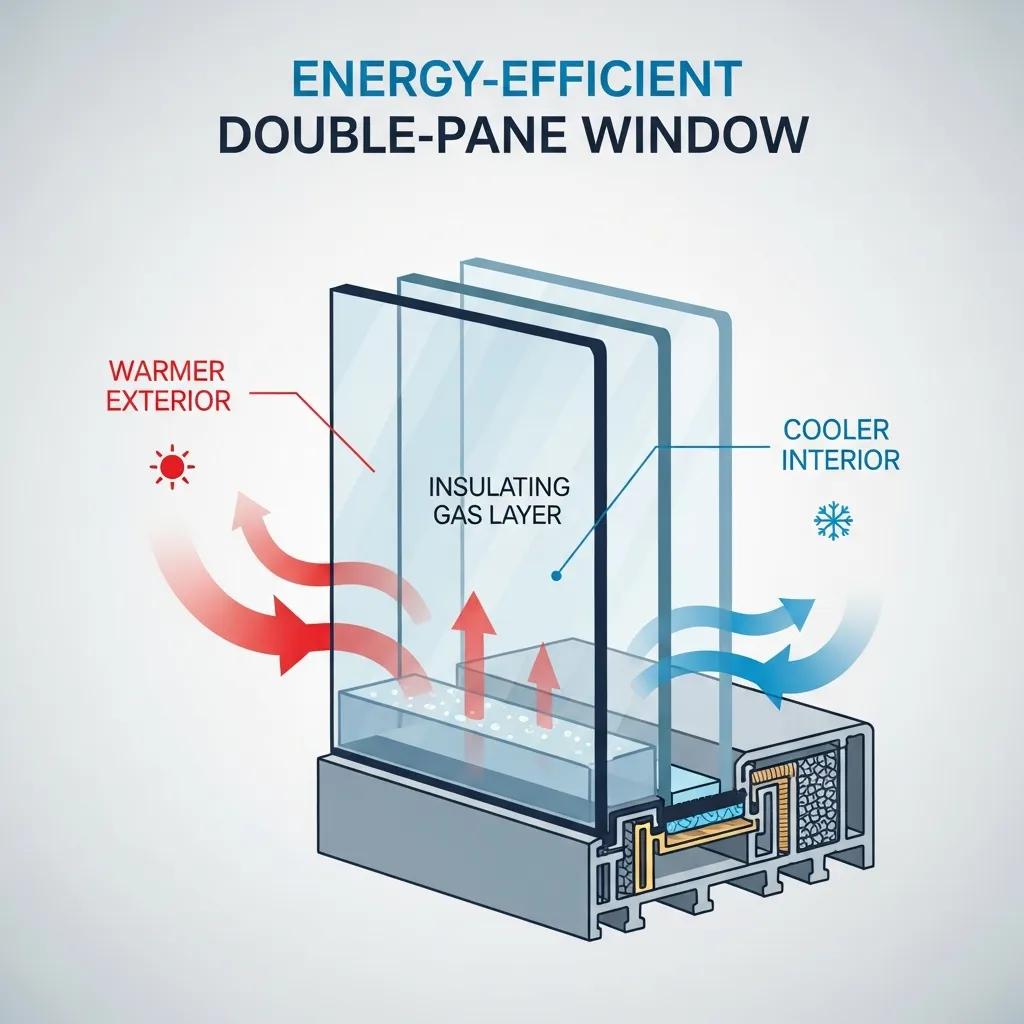
    1. Double-Pane Windows : Two glass layers create an insulating cavity that reduces heat transfer and stabilizes indoor temperatures.
    2. Low-E Glass Windows : Low-emissivity coatings reflect heat while admitting light, improving year-round comfort.
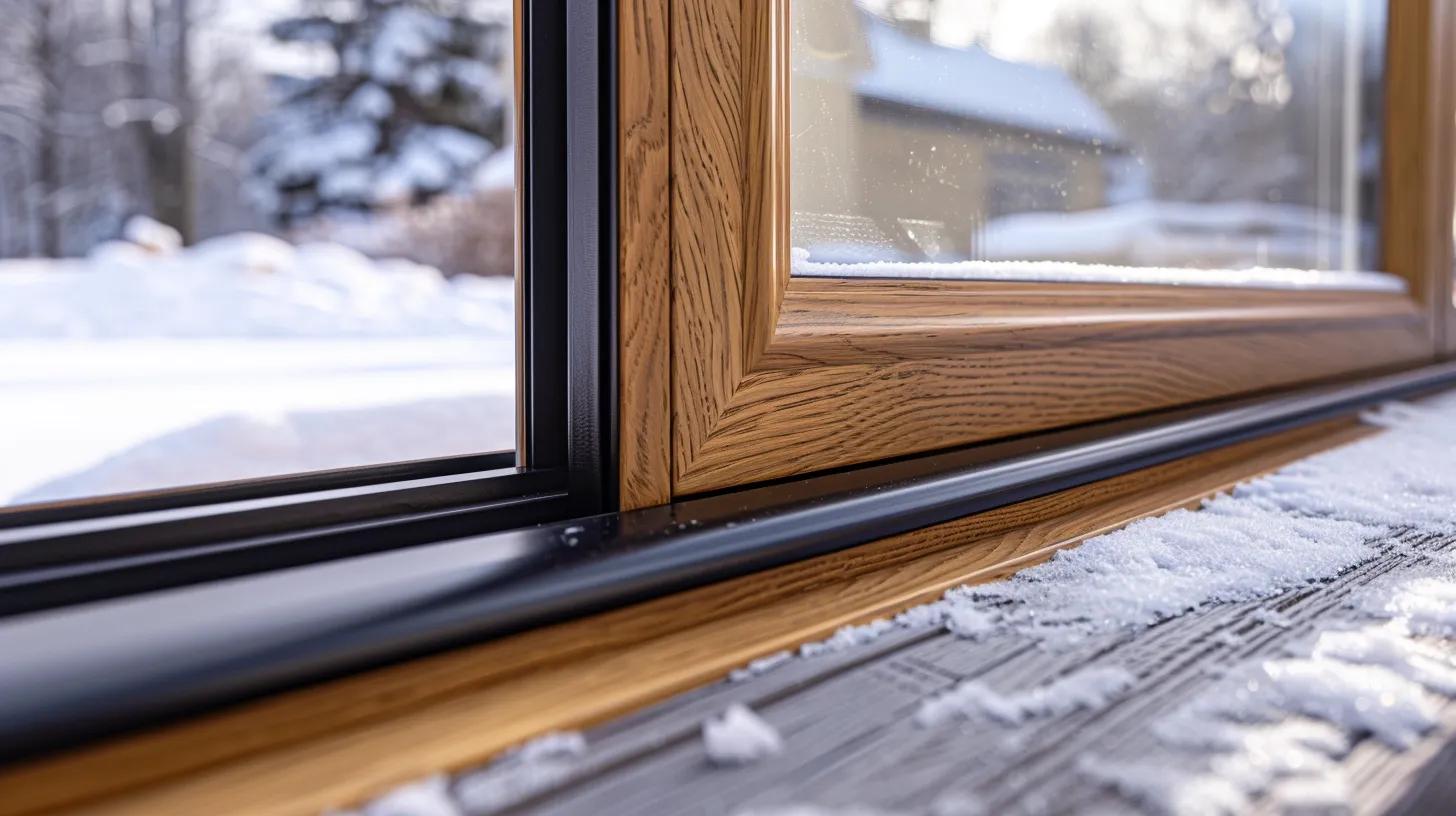
    3. Vinyl Windows : Durable and low-maintenance, vinyl windows offer good insulation and come in many contemporary styles.

    Combining these types can deliver both energy savings and a modern appearance.

    How Do Energy Ratings Impact Window Performance?

    Energy ratings from organizations such as the National Fenestration Rating Council (NFRC) summarize thermal and solar performance. Key metrics include U-factor (insulation) and Solar Heat Gain Coefficient (SHGC).

    Using ratings helps match window performance to climate and goals: lower U-factors for insulation, and SHGC chosen for seasonal solar control.

    Which Window Types Offer Optimal Energy Savings?

    Certain constructions deliver the best savings in demanding climates:

    1. Triple-Pane Windows : Extra glass and cavities increase insulation in cold or extreme conditions.
    2. Gas-Filled Windows : Argon or krypton fills reduce conduction between panes.
    3. Low-E Coated Windows : Coatings reduce unwanted heat gain or loss while keeping daylight.

    Choose combinations (e.g., triple-pane with gas fill and Low-E) to maximize efficiency where needed.

    How Can Custom Modern Window Frames Enhance Contemporary Designs?

    Custom frames let you coordinate materials, finishes, and proportions to support contemporary architecture and larger glass areas.

    They enable wider sightlines, increased daylight, and finishes that integrate with interiors and exteriors.

    What Materials Are Ideal for Custom Window Frames?

    Common frame materials combine durability and appearance:

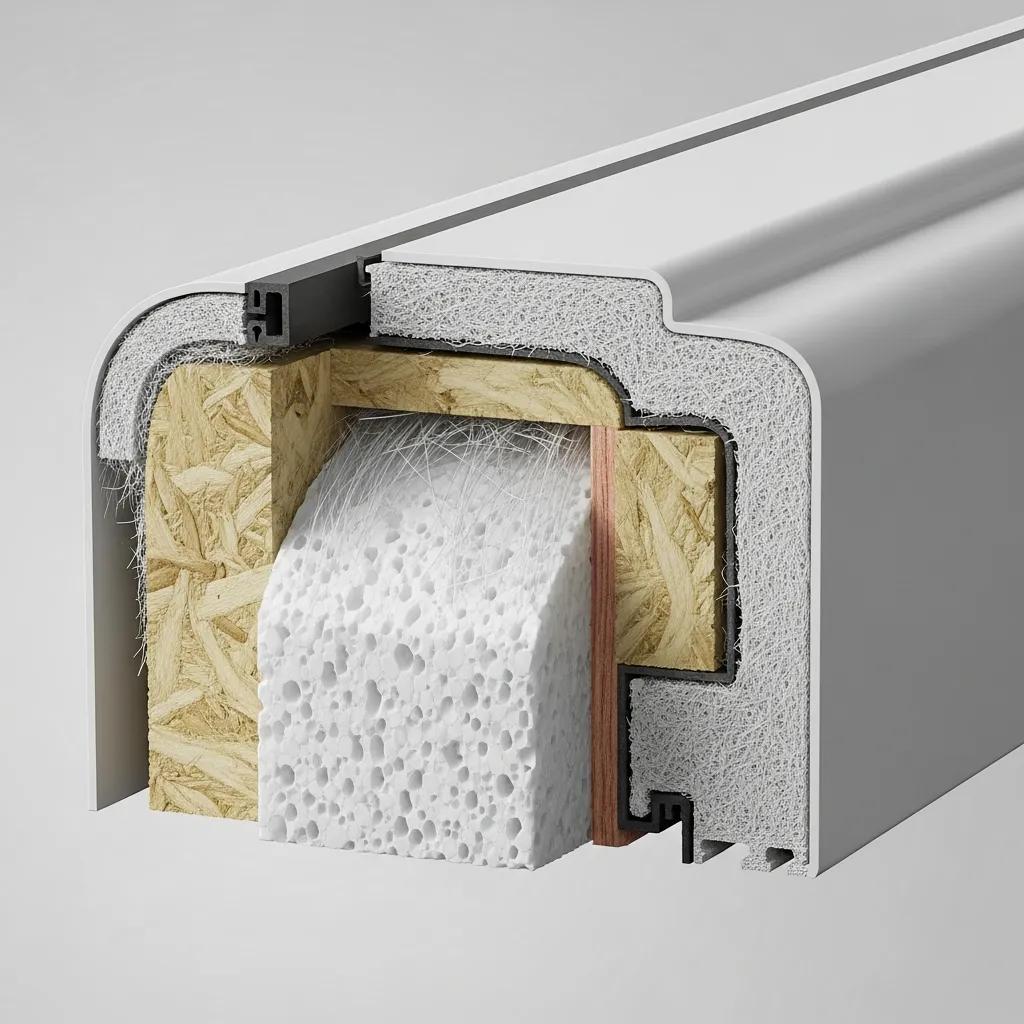
    1. Fiberglass : Strong, thermally stable, and paintable.
    2. Vinyl : Low maintenance with good insulation.
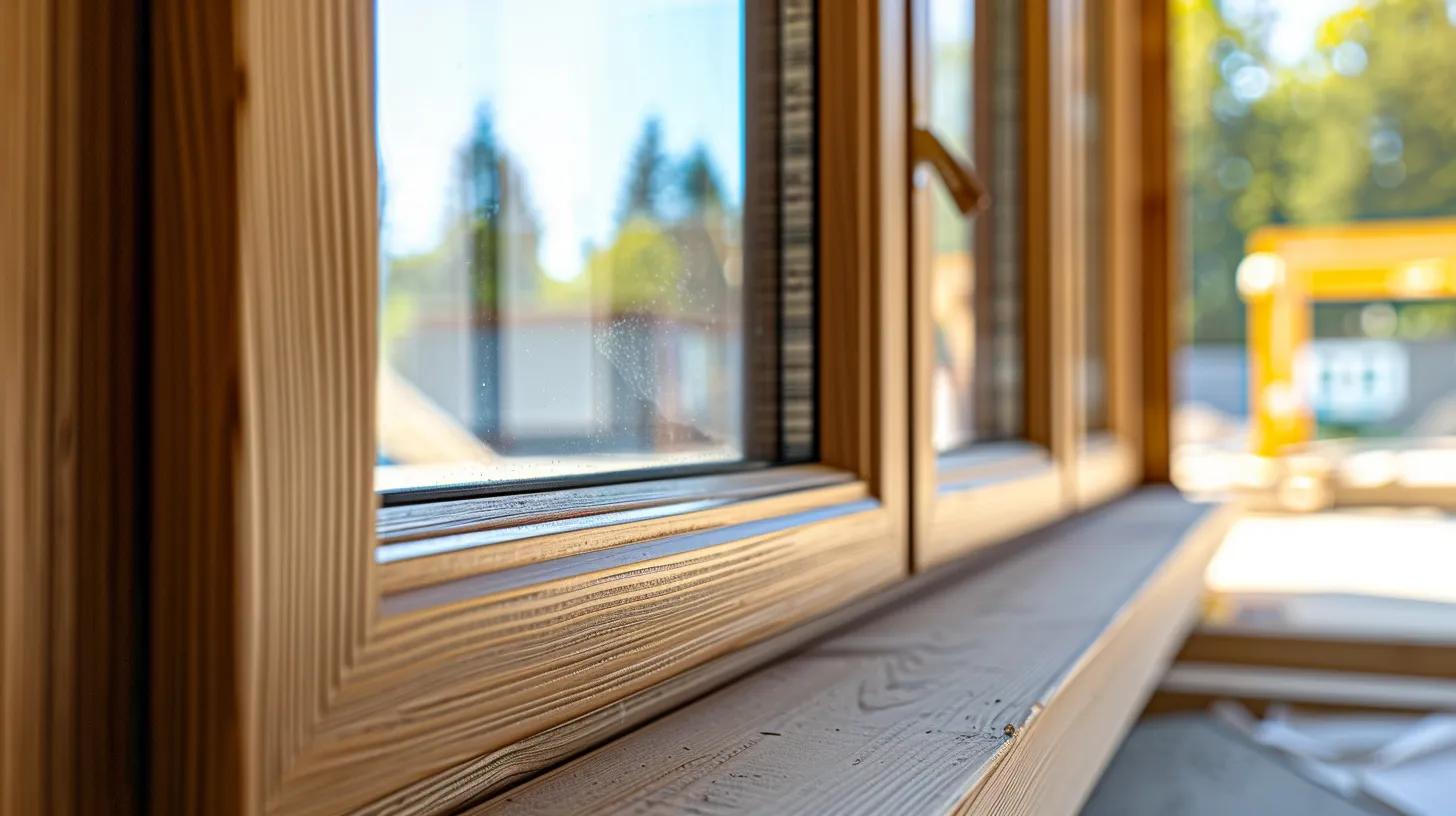
    3. Wood : Classic appearance; requires upkeep.

    Select the material that matches climate, maintenance tolerance, and design goals.

    How Does Customization Improve Style and Functionality?

    Custom options — from integrated blinds to specialty coatings — let you tailor light control and thermal performance while preserving style.

    Thoughtful specification ensures windows meet both aesthetic and operational requirements.

    What Are the Leading Contemporary Window Materials Available?

    Materials influence durability, finish, and thermal behavior. Common choices include:

    1. Aluminum : Slim profiles and color options; add thermal breaks for performance.
    2. Composite : Combines strengths of different materials for durability and look.
    3. Vinyl : Cost-effective and energy-efficient for many projects.

    Match material to design intent and insulation needs.

    Vinyl vs. Wood vs. Fiberglass: Which Material Suits Your Home?

    Choose based on budget, appearance, and upkeep: vinyl for low cost, wood for classic finishes, fiberglass for durability and thermal stability.

    • Vinyl : Affordable, low maintenance.
    • Wood : Warm aesthetic; periodic maintenance required.
    • Fiberglass : Durable and energy-efficient.

    Prioritize the factors most important for your climate and design.

    How Do Sustainable Materials Contribute to Modern Window Design?

    Recycled or responsibly sourced materials reduce embodied carbon and can be paired with efficient glazing to lower lifecycle impact.

    Selecting sustainable materials and durable designs supports long-term performance and reduced environmental footprint.

    Which Stylish Window Treatment Ideas Complement Modern Windows?

    Treatments refine appearance and light control. Consider:

    1. Sheer Curtains : Soft light and privacy.
    2. Roller Shades : Clean lines and modern simplicity.
    3. Plantation Shutters : Adjustable light control with a classic touch.

    Choose treatments that enhance both form and function.

    What Window Treatments Enhance Energy Efficiency?

    Insulating treatments reduce heat transfer and improve comfort:

    1. Thermal Curtains : Add insulation across the window opening.
    2. Cellular Shades : Honeycomb pockets trap air for insulation.
    3. Window Films : Reflect heat and UV to lower cooling demand.

    Use treatments strategically by season and exposure for measurable savings.

    How to Choose Treatments That Match Contemporary Aesthetics?

    Balance minimal lines, material quality, and color to complement modern architecture:

    1. Minimalistic Designs : Clean silhouettes support modern decor.
    2. Bold Colors : Use sparingly to create contrast.
    3. Sustainable Materials : Align treatments with environmental goals.

    Focusing on these elements ensures treatments feel cohesive and purposeful.

    To explore options and discuss specific requirements, please contact us for a consultation.

    Frequently Asked Questions

    What are the benefits of energy-efficient windows beyond energy savings?

    They stabilize indoor temperatures, reduce noise, protect interiors from UV fading, and can increase property value.

    How do I know if my current windows are energy-efficient?

    Check NFRC labels for U-factor, SHGC and VT, and inspect for drafts or inter-pane condensation as signs of poor performance.

    What is the lifespan of energy-efficient windows?

    Lifespan depends on material and installation: vinyl and fiberglass often last decades; wood typically needs more upkeep.

    Are there any tax credits or incentives for installing energy-efficient windows?

    Incentives vary by country, state, and utility. Verify local programs or consult a tax professional for eligibility.

    How can I maintain my energy-efficient windows for optimal performance?

    Clean glass and frames, check seals and weatherstripping, and address condensation or drafts promptly to preserve efficiency.

    What are the most common mistakes homeowners make when choosing windows?

    Common errors are prioritizing style over ratings, ignoring climate needs, and selecting the lowest-cost option without considering performance.

    Conclusion

    Energy-efficient windows improve appearance, comfort, and operating costs. Use energy ratings and targeted materials or coatings to match performance to climate and design. Review product options and consult with a professional to select windows that deliver both style and efficiency.

  • What Are the Best Window Styles for Modern Homes

    What Are the Best Window Styles for Modern Homes

    What Are the Best Window Styles for Modern Homes

    Top Window Styles for Modern Homes

    Top Window Styles for Modern Homes

    Choosing the right window style affects a home’s look, daylighting, ventilation, and energy performance. This guide summarizes popular modern window types, key materials and glazing options, installation steps, and current design trends to help homeowners make informed selections.

    Key Takeaways

    • Casement, sliding, and picture windows suit modern designs with clean lines.
    • Casement windows are versatile and often energy-efficient.
    • Awning windows ventilate during light rain and suit many climates.
    • Picture windows maximize light and frame views.
    • Double-pane, triple-pane, and Low-E glass reduce heat transfer.
    • Vinyl, wood, and aluminum differ in insulation, upkeep, and appearance.
    • Minimalist frames and smart glazing boost aesthetics and function.
    • Sustainable materials, coatings, and smart tech are growing trends.
    • Local installers provide code knowledge and tailored service.

    Which Window Styles Best Complement Modern Home Designs?

    Modern residential design favors simple forms and functional glazing. Common choices include:

    1. Casement Windows: Open outward for strong ventilation and unobstructed sightlines.
    2. Sliding Windows: Space-efficient, contemporary look, easy to operate.
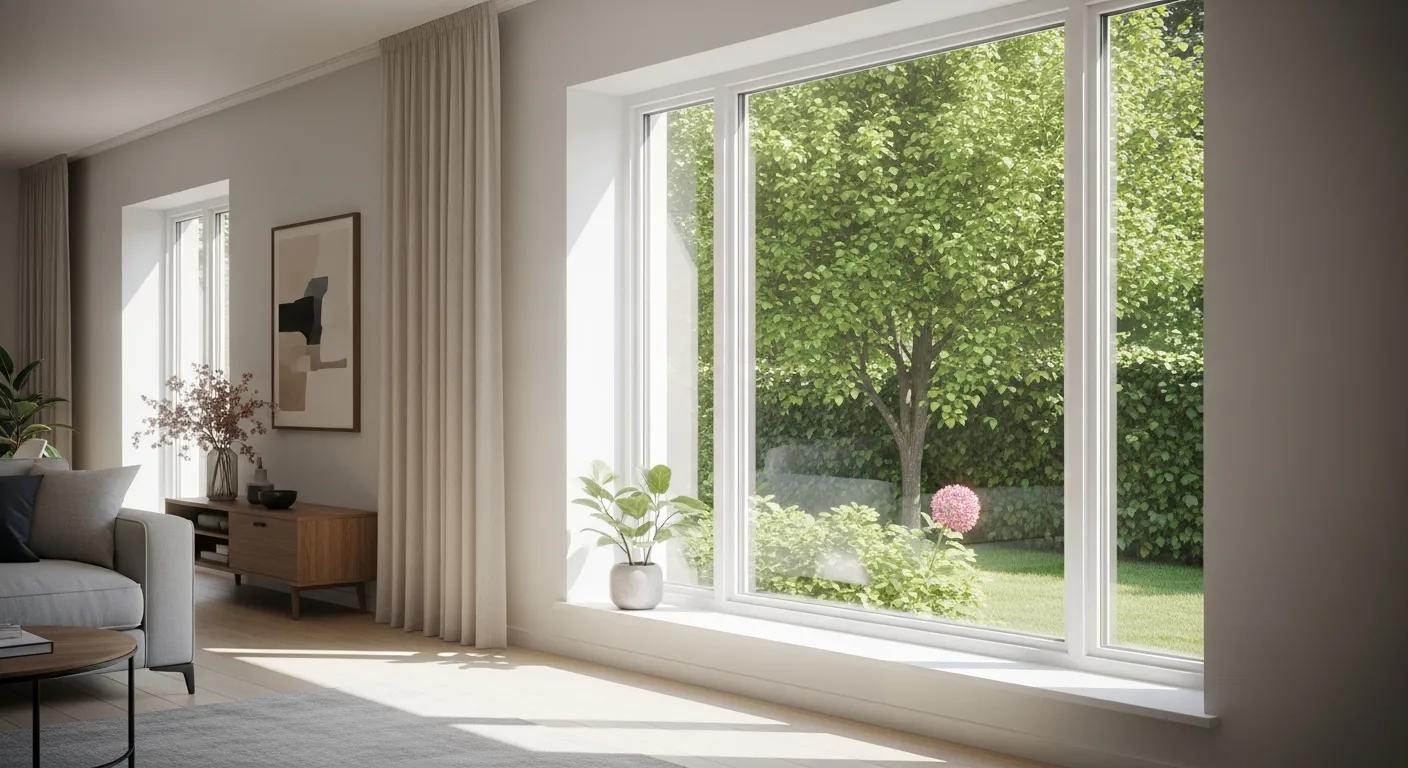
    3. Picture Windows: Fixed units that maximize daylight and views.

    These styles deliver the clean profiles and daylight priorities typical of contemporary architecture.

    What Are the Characteristics of Casement, Awning, and Picture Windows?

    Each type suits different needs in modern homes:

    • Casement Windows: Side- or top-hinged, tight seals, good ventilation control.
    • Awning Windows: Top-hinged; allow airflow while shedding light rain.
    • Picture Windows: Non-operable, large glass areas for framing views and admitting light.

    Choose based on ventilation needs, view priorities, and placement.

    How Do Contemporary Window Shapes Enhance Modern Architecture?

    Window geometry contributes to daylighting, aesthetics, and architectural expression:

    • Increasing Natural Light: Larger glass areas brighten interiors and connect indoors to outdoors.
    • Aesthetic Appeal: Geometric or asymmetrical openings create focal points.
    • Versatility in Design: Custom shapes adapt to minimalist, industrial, and other styles.

    Thoughtful shapes improve ambience while supporting design intent.

    What Are the Top Energy-Efficient Window Options for Modern Homes?

    Energy-conscious homeowners typically choose from:

    1. Double-Pane Windows: Two glass layers with a gap for improved insulation over single-pane.
    2. Triple-Pane Windows: Extra insulation for cold or extreme climates.
    3. Low-E Glass Windows: Coatings that limit heat transfer while admitting visible light.

    These glazing choices reduce heating and cooling loads and improve comfort.

    Further research explains how low-emissivity glass reduces energy consumption and optimizes solar heat gain.

    Low-E Glass for Optimal Solar Heat Gain & Energy Savings

    This study examined the solar heat gain coefficient of aluminum-doped ZnO (AZO) low-emissivity (low-e) glass. Silver-based low-e coatings provide strong solar shading, which can be disadvantageous in winter when passive solar heat gain is beneficial. Coatings that transmit near-infrared radiation, such as transparent conductive oxides, can permit useful solar heat entry under cold conditions.

    Solar heat gain coefficient and heat transmission coefficient of Al-doped ZnO thin-film coated low-emissivity glass, 2020

    How Do Vinyl, Wood, and Aluminum Window Materials Compare in Energy Efficiency?

    Common frame materials offer different balances of insulation, maintenance, and aesthetics:

    • Vinyl Windows: Low-maintenance, good insulating value, cost-effective.
    • Wood Windows: Attractive, naturally insulating, require periodic upkeep.
    • Aluminum Windows: Durable and slim-profile; thermal breaks improve performance.

    Selection depends on climate, maintenance tolerance, and desired appearance.

    What Are the Benefits of High Energy Rating Glass Types Like Low-E and Triple Pane?

    High‑rating glazing improves comfort and reduces operating costs:

    • Reduced Heat Transfer: Low-E coatings limit unwanted solar or conductive heat flow.
    • Improved Insulation: Triple-pane glazing increases R-value for colder climates.
    • Lower Energy Bills: Better glazing lowers heating and cooling demand over time.

    Specifying upgraded glazing helps long-term efficiency and occupant comfort.

    How Should Homeowners Approach Window Installation for Modern Homes?

    When planning window installation, follow a simple process:

    1. Understanding Local Permits: Confirm codes and obtain permits before work begins.
    2. Choosing the Right Windows: Match style, material, and energy ratings to needs and budget.
    3. Selecting a Qualified Installer: Hire experienced professionals familiar with modern systems.

    These steps help ensure compliance, performance, and a proper fit.

    What Are the Key Steps in Professional Window Installation?

    A standard professional installation includes:

    1. Removal of Old Units: Careful removal to protect surrounding structure.
    2. Installation of New Units: Proper leveling and secure fitting in the prepared opening.
    3. Sealing and Finishing Touches: Weatherproofing, trim, and caulking to preserve the thermal envelope.

    Proper sequencing preserves performance and prevents leaks or drafts.

    Why Choose Local Installation Services in Beverly MA for Modern Windows?

    Local providers offer practical advantages:

    • Local Expertise: Knowledge of climate issues and regional code requirements.
    • Tailored Solutions: Custom recommendations suited to local homes.
    • Quality Installation: Local reputation encourages reliable workmanship.

    Working with nearby installers typically improves response time and accountability.

    What Are the Latest Trends in Modern Window Styles for 2023-2026?

    Designers and manufacturers emphasize:

    • Minimalist Frames: Slim sightlines to maximize glass area.
    • Smart Windows: Electrically switchable tint or automated shading for comfort and efficiency.
    • Sustainable Materials: Recyclable components and low-impact manufacturing.

    These trends balance form, function, and environmental concerns.

    How Are Minimalist Frame Designs and Smart Windows Shaping Modern Homes?

    Key impacts include:

    • Enhancing Aesthetics: Cleaner views and contemporary character.
    • Improving Functionality: Automated tinting and integrated controls improve comfort.
    • Promoting Sustainability: Energy-saving glazing and materials reduce lifecycle impact.

    Combined, these approaches raise both visual and operational performance.

    What Sustainability Features Are Emerging in Contemporary Window Designs?

    Notable sustainable features include:

    • Recyclable Materials: Frames and components designed for reuse or recycling.
    • Energy-Efficient Coatings: Low-E and spectrally selective coatings that cut energy transfer.
    • Smart Technology Integration: Sensors and controls that adapt glazing to conditions.

    These options support lower embodied and operational carbon footprints.

    For expert assistance, contact us to explore tailored solutions for your modern home.

    Frequently Asked Questions

    What factors should I consider when choosing window styles for my modern home?

    Consider architectural style, energy performance, ventilation needs, maintenance, and lifecycle cost when selecting window styles and materials.

    How can I improve the energy efficiency of my existing windows?

    Seal gaps with weatherstripping or caulk, add window film or thermal shades, and consider upgrading single-pane units to double- or triple-pane glazing if within budget.

    What are the advantages of smart windows in modern homes?

    Smart windows can reduce HVAC load, control glare and privacy, and integrate with home automation for scheduled or sensor-driven operation.

    Are there specific maintenance tips for different window materials?

    Clean vinyl with mild soap, repaint or reseal wood as needed, and wash aluminum regularly; inspect seals and weatherstripping annually.

    How do I know if I need to replace my windows?

    Replace units that are difficult to operate, drafty, cracked, or show condensation between panes, or if energy costs suggest poor performance; get a professional assessment for borderline cases.

    What are the benefits of hiring a local installer for window installation?

    Local installers provide code compliance, climate-appropriate recommendations, faster support, and accountability tied to community reputation.

    Conclusion

    Selecting modern window styles involves balancing look, daylight, ventilation, and energy performance. Choose suitable glazing, materials, and a qualified local installer to achieve comfort, efficiency, and the desired aesthetic for your home.

  • Why Choosing Local Door Installation Experts Matters

    Why Choosing Local Door Installation Experts Matters

    Why Choosing Local Door Installation Experts Matters

    The Value of Local Door Experts

    Selecting qualified professionals affects the quality and lifespan of home improvements. Local door installation experts bring hands-on experience and regional knowledge that improve outcomes. This article summarizes the benefits of hiring local specialists in Beverly, MA, common homeowner concerns, typical costs, and practical selection criteria.

    What Are the Key Benefits of Hiring Local Door Installation Experts?

    Hiring local installers delivers concrete advantages that reduce risk and improve results.

    1. Local Knowledge and Expertise : Installers know regional building codes and ensure compliant, safe work.
    2. Personalized Service and Attention : Local firms often offer tailored service and focus on customer satisfaction.
    3. Trust and Reliability : Community reputation motivates consistent, dependable workmanship.

    Those benefits typically produce more reliable, longer-lasting installations.

    How Does Local Expertise Enhance Installation Quality?

    Local expertise helps meet codes and adapt choices to Beverly, MA climate conditions, improving durability and reducing maintenance.

    Installers recommend materials and methods suited to local weather and construction norms so doors perform reliably and remain easier to service.

    What Value Do Professional Door Installation Services Provide?

    Professional services deliver technical skill, quality control, and outcomes that DIY work often cannot match.

    1. Expertise and Quality Assurance : Experienced teams ensure correct fit, alignment, and finish.
    2. Enhanced Security Features : Proper installation preserves lock and reinforcement performance.
    3. Improved Aesthetics and Energy Efficiency : A well-installed door improves curb appeal and reduces drafts and utility costs.

    Together these factors protect value and functionality over time.

    How to Select Trusted Door Installation Companies in Beverly MA?

    Compare providers using clear criteria and verify they match your project needs.

    1. Check Credentials and Experience : Confirm licensing and a proven installation track record.
    2. Read Customer Reviews : Use testimonials and reviews to assess service quality.
    3. Request Estimates and Evaluate Communication : Obtain multiple quotes and judge responsiveness and clarity.

    These steps help you find a local installer aligned with your expectations.

    Which Certifications and Licenses Should You Look For?

    Verify essential credentials before hiring to reduce risk.

    1. Ensure the Contractor is Licensed : A valid license signals required qualifications.
    2. Verify Insurance Coverage : Insurance shields you from on-site liabilities.
    3. Look for Warranties on Work : Warranties cover defects and workmanship issues.

    Confirming these items supports a safe, professional installation.

    Why Is Customer Satisfaction Important When Choosing Installers?

    Customer satisfaction reflects reliability and workmanship quality; satisfied clients usually mean fewer callbacks and sustained performance.

    Positive references also indicate installers who stand behind their work and who will address follow-up issues promptly.

    What Are the Typical Door Installation Costs in Beverly MA?

    Typical price ranges help set a realistic budget; final cost depends on materials, features, and installation complexity.

    • Front Door (Fiberglass) : $1,200 – $1,800
    • Patio Door (Vinyl) : $1,200 – $2,000
    • Storm Door (Aluminum) : $200 – $1,000

    Discuss specific options with your installer to get an accurate estimate.

    Which Factors Influence Door Installation Pricing?

    Several variables affect cost and should be discussed early.

    1. Material Choice and Labor Rates : Higher-end materials and skilled labor raise prices.
    2. Job Complexity and Extra Services : Framing, trim, or removal of old units increase time and cost.
    3. Security Features and Custom Sizes : Reinforcements, specialty locks, and custom dimensions add expense.

    Reviewing these factors enables better comparisons between bids.

    How to Assess Cost Versus Long-Term Value?

    Balance upfront cost against expected durability, energy savings, and resale value.

    1. Return on Investment (ROI) Considerations : Consider how upgrades affect home value and operating costs.
    2. Energy Efficiency Analysis : Energy-efficient doors can lower heating and cooling bills over time.
    3. Warranty Evaluation : Strong warranties reduce long-term repair risk.

    Focus on total lifecycle value rather than lowest initial price.

    What to Expect During a Professional Door Installation Process?

    A typical installation follows predictable stages that keep the project on schedule.

    1. Initial Consultation and Site Visit : Assess needs, measurements, and site conditions.
    2. Product Ordering and Installation : Materials are ordered and installed per specifications.
    3. Final Inspection and Customer Feedback : Inspect the finished work and confirm satisfaction.

    Clear communication at each stage helps avoid surprises.

    What Are the Step-by-Step Installation Procedures?

    Installations proceed in stages to ensure proper fit and sealing.

    1. Preparation and Removal of Old Units : Protect the site, remove the existing door, and prep the opening.
    2. Installationof New Units and Sealing : Fit, secure, and seal the door to prevent drafts.
    3. Final Inspection and Project Completion : Verify alignment, function, and finish before sign-off.

    Following these steps yields a durable, well-sealed installation.

    How Do Warranty and Post-Installation Services Protect Homeowners?

    Warranties and local post-installation support reduce risk and simplify repairs.

    1. Coverage for Defects and Labor Guarantees : Warranties commonly cover materials and workmanship.
    2. Transferability of Warranties : Some warranties add resale value by transferring to new owners.
    3. Local Support for Warranty Claims : A local installer makes claim handling and follow-up easier.

    These protections help preserve your investment over time.

    For further information or to schedule a consultation, please contact us today.

    When selecting door installation experts , evaluate documented expertise, credentials, and proof of quality.

    Choosing established professionals, such as Firstlight Windows and Doors , can improve project outcomes.

    Frequently Asked Questions

    What types of doors can local installation experts handle?

    Local installers handle entry, patio, storm, and interior doors in wood, fiberglass, vinyl, and aluminum, using the appropriate tools and methods for each material while ensuring code compliance.

    How long does a typical door installation take?

    A standard replacement often takes a few hours to one day; projects needing custom framing or structural work will take longer—ask your installer for a site-specific timeline.

    Are there any maintenance tips for newly installed doors?

    Inspect seals and weatherstripping, clean surfaces with recommended products, lubricate hinges and locks periodically, and monitor frames for moisture or damage.

    What should I do if my door installation has issues after completion?

    Contact the installer first—most reputable firms provide warranties and post-installation support. Document problems with photos and notes to aid diagnosis and resolution.

    Can I install a door myself, or should I hire a professional?

    Simple doors may be a DIY task for skilled homeowners, but professionals ensure proper fit, code compliance, and long-term performance; for most projects, hiring a pro is advisable.

    What are the benefits of energy-efficient doors?

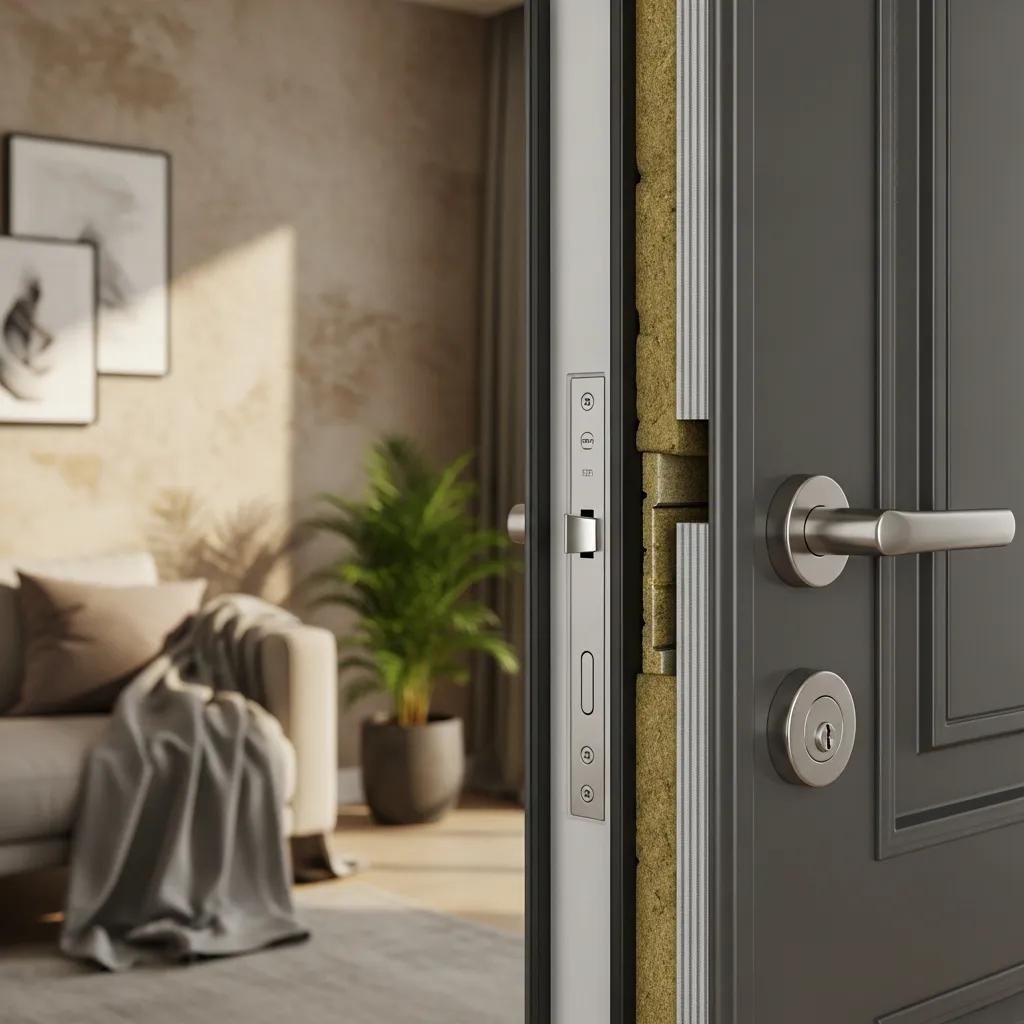
    Energy-efficient doors improve insulation, reduce energy use, and enhance indoor comfort; features like insulated frames and low-E glass boost performance.

    How can I ensure my door installation meets local building codes?

    Hire a licensed local installer, discuss permitting up front, and confirm the contractor will obtain required permits to ensure compliance.

    Conclusion

    Hiring local door installation experts provides regional insight, personalized service, and better long-term performance. By vetting credentials, warranties, and customer feedback, homeowners can select professionals who deliver reliable, code-compliant installations and strong post-installation support.

  • Choose the Best Window Installation Options for Your Home

    Choose the Best Window Installation Options for Your Home

    What Drives Window and Door Installation Costs — A Practical Guide for Homeowners

    Knowing what affects the price of window and door installation helps you plan, compare quotes, and avoid surprises. This guide walks you through the main cost drivers, so you can budget with confidence. We cover what influences window prices, how door replacement costs break down, typical window-replacement ranges, what impacts exterior-door pricing, and overall costs for replacing both windows and doors.

    In This Article

    What Are the Main Factors Influencing Window Installation Costs?

    Several things change the final price of window installation. The biggest are the window type, the size, and the material. Each affects the product cost and how long installation takes, so they’re worth weighing before you buy.

    How Do Window Types Affect Installation Prices?

    Different types of windows displayed in a home setting illustrating design and complexity

    Window styles bring different installation challenges. Double-hung windows, for example, often take more time to fit and seal than simple sliding units. Specialty styles like bay or bow windows usually cost more because they need custom framing and extra structural support. Picking the right style can lower both product and labor costs.

    What Role Does Window Size and Material Play in Cost?

    Size and material are key. Bigger windows use more materials and often need more labor, so they cost more. Material matters too: vinyl is usually the most budget-friendly, wood can be pricier and needs more care, and fiberglass sits between those options. Think about long-term maintenance and energy performance when you choose.

    After you’ve considered these factors, it helps to work with local companies. Local installers understand regional codes and can make the process smoother from permits to final inspection.

    How Is Door Replacement Cost Broken Down?

    Door replacement costs generally include three main pieces: the price of the door itself, labor, and any extra materials or repairs needed to finish the job. Each piece varies depending on door type and installation complexity.

    Which Door Materials Impact Replacement Expenses?

    Material has a big effect on price and longevity. Wood doors offer a classic look and good insulation but usually cost more. Fiberglass is durable and more affordable, while steel is tough and often the least expensive option. Match material to your budget and the performance you expect over time.

    How Does Door Style Influence Installation Pricing?

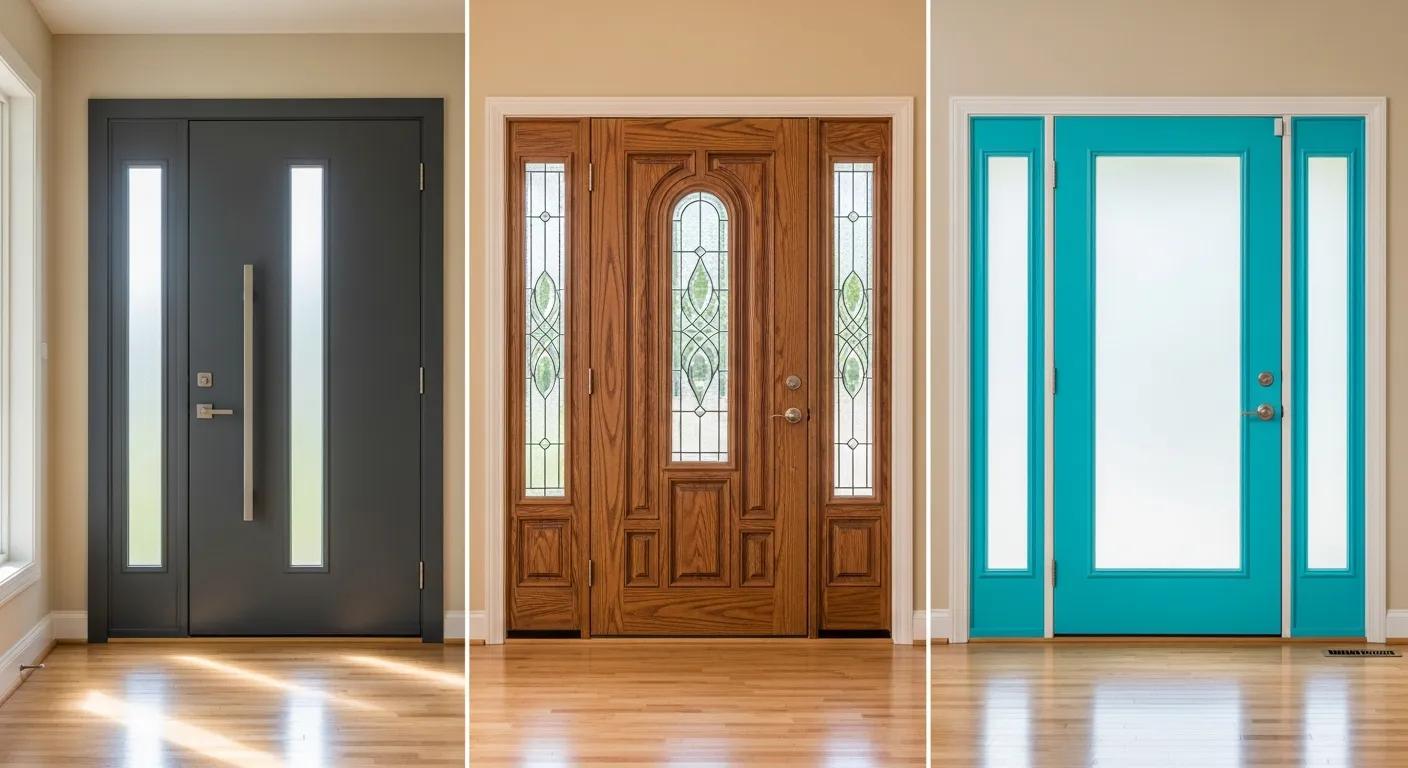
    The door’s style matters too. Simple panel doors are usually quicker and cheaper to install. More complex setups—like French doors, sliding patio doors, or doors with sidelights—need additional hardware, precise alignment, and sometimes extra framing, which raises costs.

    What Is the Average Cost of Window Replacement?

    Window replacement prices vary, but most homeowners pay between $300 and $1,200 per window, including materials and labor. The final number depends on window type, materials, and how complicated the install is.

    How Do Labor and Location Affect Average Prices?

    Labor rates change by region. Urban areas typically have higher hourly rates than rural ones. Local building codes, required permits, and inspection fees also add to the cost. Check local rates and rules when you get quotes.

    What Additional Costs Should Be Considered?

    Don’t forget extras: permit fees, disposal of old windows, and any repair work to surrounding walls or trim. Those items can add a few hundred dollars per opening, so include them in your budget to avoid surprises.

    Which Factors Affect Exterior Door Installation Prices?

    Exterior door costs depend on the door type, material, and how involved the installation is. Security features, hardware choices, and any needed structural changes will also affect the total price.

    How Does Door Security and Hardware Influence Cost?

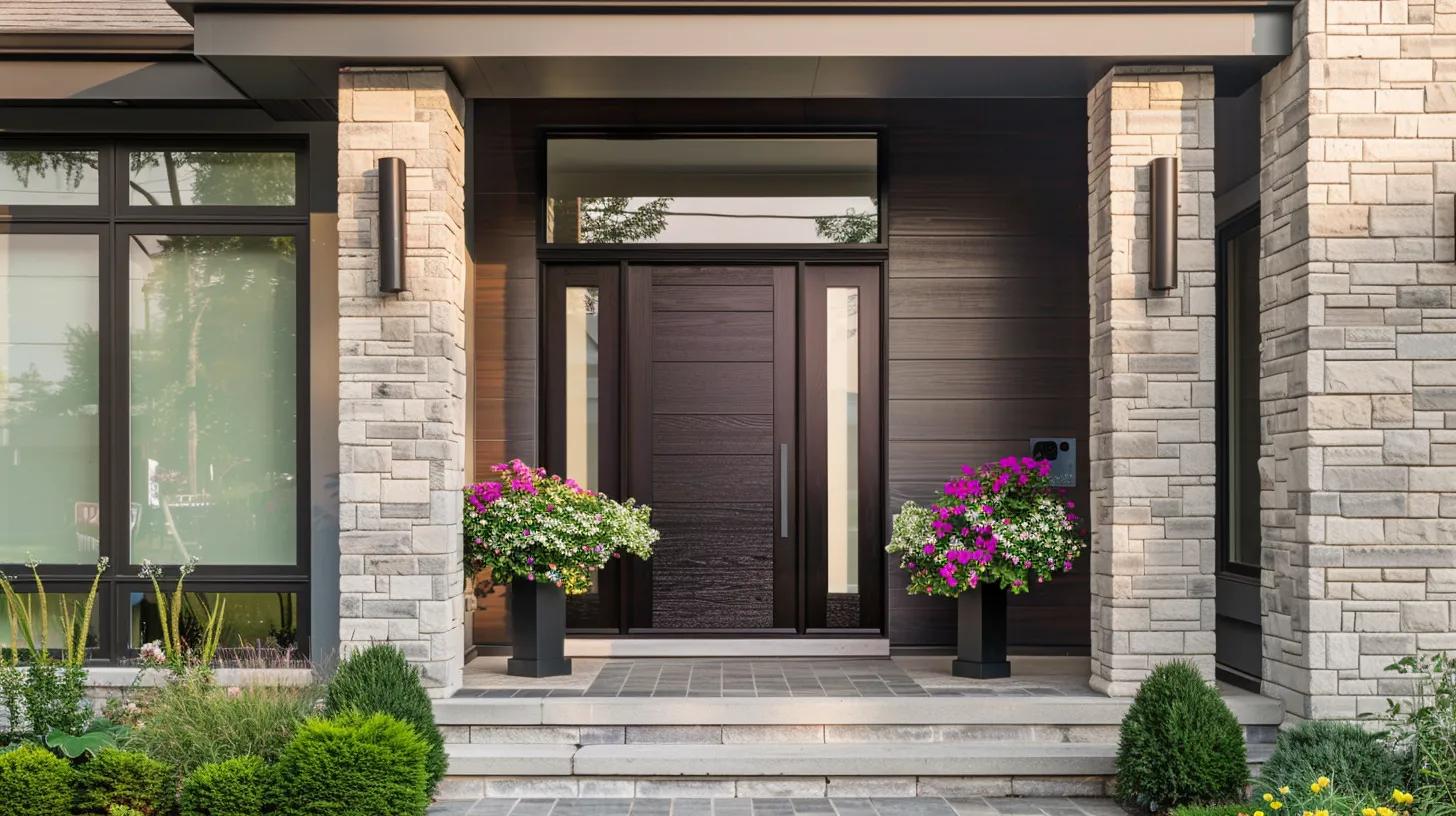
    Upgraded locks, reinforced frames, and specialty hardware increase cost but improve safety and durability. If security is a priority, plan for higher upfront costs that can pay off in protection and peace of mind.

    What Impact Does Door Size and Customization Have?

    Custom or oversized doors usually mean more labor and materials, and therefore higher costs. Sticking to standard sizes keeps pricing lower. If you need a custom solution, factor those extra costs into your plan.

    How Much Does Window and Door Installation Typically Cost?

    A full window-and-door project can range widely. Expect about $5,000 to $15,000 for a complete installation, depending on how many openings you replace, the products you choose, and the amount of structural work required.

    What Are the Cost Differences Between New Installation and Replacement?

    New installations often require framing, flashing, and additional structural work, which raises the price. Replacements usually fit into existing openings and are typically less expensive. Compare both options to see which makes sense for your home and long-term goals.

    How Can Homeowners Budget for Installation Expenses?

    Create a detailed budget that lists materials, labor, permits, and a contingency for surprises. Get multiple quotes, prioritize must-haves, and set aside about 10–15% extra for unexpected items. A clear plan helps keep projects on track and on budget.

    Window TypeAverage CostInstallation Complexity
    Double-Hung$600Moderate
    Sliding$500Low
    Bay$1,200High

    This table shows typical costs for common window types and how complexity affects price. Use it to compare options and set realistic expectations when you request quotes.

    Door MaterialAverage CostDurability Rating
    Wood$1,200High
    Fiberglass$900Medium
    Steel$700High

    Compare materials by cost and durability to choose what fits your budget and performance needs. The right choice balances initial price with long-term value.

    Take the time to research products and installers before you commit. Understanding cost drivers helps you compare bids and pick the solution that meets your budget, energy goals, and style. Working with local professionals can simplify permitting and ensure the work meets local codes.

    Frequently Asked Questions

    What are the benefits of hiring a professional for window and door installation?

    Hiring a professional means the work gets done right the first time. Pros have the tools and experience to handle tricky installs, avoid common mistakes, and follow local code. Many offer warranties on labor and materials, which adds protection. In short: less stress, better performance, and a cleaner finish.

    How can I choose the right window and door styles for my home?

    Match style to your home’s architecture and your daily needs. Think about energy efficiency, security, and how much maintenance you want. Visit showrooms or ask an installer for samples and photos—seeing options in person makes decisions easier.

    What maintenance is required for windows and doors after installation?

    Basic maintenance keeps everything working longer. Clean glass, check seals, and lubricate moving parts periodically. Inspect weather stripping and hardware on doors, and refinish wood doors when needed. Small, regular upkeep prevents bigger problems later.

    Are there energy-efficient options for windows and doors?

    Yes. Double- or triple-pane glass, Low-E coatings, and insulated door cores all improve energy performance. Look for ENERGY STAR-rated products to compare efficiency. Better products can lower heating and cooling costs over time.

    What should I do if I encounter issues after installation?

    Contact the installer first—most reputable companies stand behind their work. Take photos and note dates and details to share. If the installer can’t resolve the issue, consider a third-party inspection. Addressing problems early prevents further damage.

    How can I ensure my installation project stays within budget?

    Start with clear priorities and a written budget. Get several quotes, ask for itemized bids, and set aside a contingency fund for surprises. Communicate openly with your contractor about cost limits and stick to standard sizes and proven materials when possible.

    Conclusion

    Knowing what drives window and door costs helps you make smarter choices and avoid surprises. Consider material, size, style, and installation complexity as you plan. Partnering with experienced local installers often makes the process smoother and keeps the work compliant with regional codes. Ready to move forward? Start comparing options and get a few local quotes to find the best fit for your home.

  • Understanding Costs: Key Factors in Door Installation

    Understanding Costs: Key Factors in Door Installation

    Understanding Costs: Key Factors in Door Installation

    luxury windows

    What Drives Window and Door Installation Costs — A Practical Guide for Homeowners

    Knowing what affects the price of window and door installation helps you plan, compare quotes, and avoid surprises. This guide walks you through the main cost drivers, so you can budget with confidence. We cover what influences window prices, how door replacement costs break down, typical window-replacement ranges, what impacts exterior-door pricing, and overall costs for replacing both windows and doors.

    In This Article

    What Are the Main Factors Influencing Window Installation Costs?

    Several things change the final price of window installation. The biggest are the window type, the size, and the material. Each affects the product cost and how long installation takes, so they’re worth weighing before you buy.

    How Do Window Types Affect Installation Prices?

    Different types of windows displayed in a home setting illustrating design and complexity

    Window styles bring different installation challenges. Double-hung windows, for example, often take more time to fit and seal than simple sliding units. Specialty styles like bay or bow windows usually cost more because they need custom framing and extra structural support. Picking the right style can lower both product and labor costs.

    What Role Does Window Size and Material Play in Cost?

    Size and material are key. Bigger windows use more materials and often need more labor, so they cost more. Material matters too: vinyl is usually the most budget-friendly, wood can be pricier and needs more care, and fiberglass sits between those options. Think about long-term maintenance and energy performance when you choose.

    After you’ve considered these factors, it helps to work with local companies. Local installers understand regional codes and can make the process smoother from permits to final inspection.

    How Is Door Replacement Cost Broken Down?

    Door replacement costs generally include three main pieces: the price of the door itself, labor, and any extra materials or repairs needed to finish the job. Each piece varies depending on door type and installation complexity.

    Which Door Materials Impact Replacement Expenses?

    Selection of exterior doors made from wood, fiberglass, and steel highlighting durability and aesthetics

    Material has a big effect on price and longevity. Wood doors offer a classic look and good insulation but usually cost more. Fiberglass is durable and more affordable, while steel is tough and often the least expensive option. Match material to your budget and the performance you expect over time.

    How Does Door Style Influence Installation Pricing?

    The door’s style matters too. Simple panel doors are usually quicker and cheaper to install. More complex setups—like French doors, sliding patio doors, or doors with sidelights—need additional hardware, precise alignment, and sometimes extra framing, which raises costs.

    What Is the Average Cost of Window Replacement?

    Window replacement prices vary, but most homeowners pay between $300 and $1,200 per window, including materials and labor. The final number depends on window type, materials, and how complicated the install is.

    How Do Labor and Location Affect Average Prices?

    Labor rates change by region. Urban areas typically have higher hourly rates than rural ones. Local building codes, required permits, and inspection fees also add to the cost. Check local rates and rules when you get quotes.

    What Additional Costs Should Be Considered?

    Don’t forget extras: permit fees, disposal of old windows, and any repair work to surrounding walls or trim. Those items can add a few hundred dollars per opening, so include them in your budget to avoid surprises.

    Which Factors Affect Exterior Door Installation Prices?

    Exterior door costs depend on the door type, material, and how involved the installation is. Security features, hardware choices, and any needed structural changes will also affect the total price.

    How Does Door Security and Hardware Influence Cost?

    Upgraded locks, reinforced frames, and specialty hardware increase cost but improve safety and durability. If security is a priority, plan for higher upfront costs that can pay off in protection and peace of mind.

    What Impact Does Door Size and Customization Have?

    Custom or oversized doors usually mean more labor and materials, and therefore higher costs. Sticking to standard sizes keeps pricing lower. If you need a custom solution, factor those extra costs into your plan.

    How Much Does Window and Door Installation Typically Cost?

    A full window-and-door project can range widely. Expect about $5,000 to $15,000 for a complete installation, depending on how many openings you replace, the products you choose, and the amount of structural work required.

    What Are the Cost Differences Between New Installation and Replacement?

    New installations often require framing, flashing, and additional structural work, which raises the price. Replacements usually fit into existing openings and are typically less expensive. Compare both options to see which makes sense for your home and long-term goals.

    How Can Homeowners Budget for Installation Expenses?

    Create a detailed budget that lists materials, labor, permits, and a contingency for surprises. Get multiple quotes, prioritize must-haves, and set aside about 10–15% extra for unexpected items. A clear plan helps keep projects on track and on budget.

    Window TypeAverage CostInstallation Complexity
    Double-Hung$600Moderate
    Sliding$500Low
    Bay$1,200High

    This table shows typical costs for common window types and how complexity affects price. Use it to compare options and set realistic expectations when you request quotes.

    Door MaterialAverage CostDurability Rating
    Wood$1,200High
    Fiberglass$900Medium
    Steel$700High

    Compare materials by cost and durability to choose what fits your budget and performance needs. The right choice balances initial price with long-term value.

    Take the time to research products and installers before you commit. Understanding cost drivers helps you compare bids and pick the solution that meets your budget, energy goals, and style. Working with local professionals can simplify permitting and ensure the work meets local codes.

    Frequently Asked Questions

    What are the benefits of hiring a professional for window and door installation?

    Hiring a professional means the work gets done right the first time. Pros have the tools and experience to handle tricky installs, avoid common mistakes, and follow local code. Many offer warranties on labor and materials, which adds protection. In short: less stress, better performance, and a cleaner finish.

    How can I choose the right window and door styles for my home?

    Match style to your home’s architecture and your daily needs. Think about energy efficiency, security, and how much maintenance you want. Visit showrooms or ask an installer for samples and photos—seeing options in person makes decisions easier.

    What maintenance is required for windows and doors after installation?

    Basic maintenance keeps everything working longer. Clean glass, check seals, and lubricate moving parts periodically. Inspect weather stripping and hardware on doors, and refinish wood doors when needed. Small, regular upkeep prevents bigger problems later.

    Are there energy-efficient options for windows and doors?

    Yes. Double- or triple-pane glass, Low-E coatings, and insulated door cores all improve energy performance. Look for ENERGY STAR-rated products to compare efficiency. Better products can lower heating and cooling costs over time.

    What should I do if I encounter issues after installation?

    Contact the installer first—most reputable companies stand behind their work. Take photos and note dates and details to share. If the installer can’t resolve the issue, consider a third-party inspection. Addressing problems early prevents further damage.

    How can I ensure my installation project stays within budget?

    Start with clear priorities and a written budget. Get several quotes, ask for itemized bids, and set aside a contingency fund for surprises. Communicate openly with your contractor about cost limits and stick to standard sizes and proven materials when possible.

    Conclusion

    Knowing what drives window and door costs helps you make smarter choices and avoid surprises. Consider material, size, style, and installation complexity as you plan. Partnering with experienced local installers often makes the process smoother and keeps the work compliant with regional codes. Ready to move forward? Start comparing options and get a few local quotes to find the best fit for your home.

  • Explore Top Window Installation Options for Your Home

    Explore Top Window Installation Options for Your Home

    Types of Window Installations — A Practical Guide to Choosing the Right Method

    window installation

    Window installation affects more than looks — it changes comfort, energy bills, and the value of your home. This guide breaks down the common installation methods so you can compare options and pick what’s right for your house. We’ll walk through full-frame and insert installs, explain the difference between new-construction and block-frame approaches, show how window materials change the process, and offer tips to get the best energy performance and plan a realistic budget. By the end, you’ll feel confident choosing the installation method that fits your goals.

    In This Guide:

    Main Types of Window Installation Methods

    Before you get started, it helps to know the two core installation approaches. Full-frame and insert installations each have clear benefits — the right choice depends on the condition of your existing frames and how much renovation you want to do.

    What Is Full-Frame Window Installation and When Should You Choose It?

    Full-frame installation means removing the entire old window and frame and fitting a new unit into the opening. Choose this when the existing frame is damaged, rotted, or you want to change the window size or style. Full-frame work gives installers a chance to inspect and repair the surrounding structure, address hidden issues like rot or mold, and add insulation for better long-term efficiency.

    How Does Insert Window Installation Work and What Are Its Benefits?

    Insert (or retrofit) installation installs a new window into the existing frame without taking the whole frame out. It’s usually faster and less expensive than a full-frame job, so it’s a popular option when the current frame is sound but the sashes or glass need upgrading. Inserts cut labor time and disruption — a good choice if you want improved performance and appearance with minimal renovation.

    How Do New Construction and Block Frame Window Installations Differ?

    What Defines New Construction Window Installation?

    New construction windows are installed during the build process and come with a nailing flange to fasten to the house framing. Because they’re integrated into the structure from the start, they make it easier to ensure proper flashing, insulation, and airtightness — a clean solution for new homes or major additions.

    When Is Block Frame Installation the Best Choice?

    Block frame installation (sometimes called pocket or frame-in-frame) uses the existing frame as the mounting point for a new window. It’s useful when the frame is still straight and sturdy but the window itself needs replacing. This approach saves time and cost compared with full-frame replacements while keeping the original surrounding trim intact.

    Which Window Materials Affect Installation Types and Performance?

    How Do Vinyl, Wood, Fiberglass, and Aluminum Windows Influence Installation?

    Window material affects durability, maintenance, cost, and which installation method makes the most sense. Vinyl is low-maintenance and often used in insert installs. Wood looks great and insulates well but needs upkeep. Fiberglass is strong and energy-efficient, and aluminum is lightweight and corrosion-resistant though usually less insulating. Match the material to your performance goals and the condition of the existing frame.

    What Are the Energy Efficiency Features to Consider in Window Materials?

    Look for efficiency features like Low-E coatings, multiple panes, and inert gas fills (argon or krypton) between panes. These reduce heat transfer and keep indoor temperatures steadier, cutting HVAC costs and improving comfort. Choosing energy-efficient glass and well-sealed frames is one of the easiest ways to lock in long-term savings.

    How Can You Maximize Energy Efficiency Through Window Installation?

    What Role Do Low-E Glass and Argon Gas Play in Energy-Efficient Windows?

    Close-up of an energy-efficient window showing Low-E coating and sealed gas-filled panes

    Low-E glass has a thin coating that reflects unwanted heat while letting light through, helping keep homes cooler in summer and warmer in winter. Argon gas fills the space between panes to slow heat transfer. Used together, these features make a noticeable difference in comfort and energy use.

    How Does Proper Installation Impact Home Energy Savings?

    Even the best windows won’t perform if they’re poorly installed. Gaps, missing flashing, or uneven seals let air and moisture through and erase potential savings. Hire experienced installers who focus on airtight seals, correct flashing, and proper insulation so your windows deliver the efficiency you paid for.

    Cost Factors and Budgeting Tips for Different Window Installations

    Which Factors Influence the Cost of Full-Frame vs. Insert Installations?

    Full-frame installs usually cost more because they involve more labor and materials and often require repairs to the surrounding structure. Insert installs are generally cheaper and quicker but only work when the existing frame is in good shape. Costs also vary with window type, size, and any custom work needed.

    How Can Homeowners Plan and Budget for Window Replacement Projects?

    • Do your homework: Learn the difference between installation methods and window types.
    • Get several estimates: Compare contractors on scope, materials, and warranties.
    • Factor in long-term savings: Better windows can lower energy bills and maintenance costs.
    • Set a realistic budget: Include installation, materials, and possible carpentry or trim repairs.

    Why Choose a Local Window Installation Company Like First Light Windows and Doors?

    What Are the Advantages of Hiring a Licensed, Insured, Family-Owned Local Expert?

    Hiring a licensed, insured, family-run company like First Light Windows and Doors means you’ll work with people who care about their reputation and the community. Local teams know regional building codes and climate challenges, and they tend to provide the personal service and quick follow-up that bigger firms sometimes miss.

    How Does First Light’s 2-Year Labor Guarantee Ensure Quality and Satisfaction?

    First Light backs workmanship with a 2-year labor guarantee, so if an installation issue appears, they’ll return to make it right. That promise gives homeowners confidence that their investment is protected and that the company stands behind its work.

    Installation TypeCost FactorsBenefits
    Full-Frame InstallationHigher labor and material costsFull frame replacement; opportunity to fix hidden damage and improve insulation
    Insert InstallationLower cost; faster installLess invasive; keeps existing frame and trim
    New Construction InstallationCosts vary with home designSeamless integration with new builds; optimized flashing and insulation
    Block Frame InstallationModerate cost; depends on frame conditionPreserves original structure; quicker than full-frame

    This overview should help you weigh the cost and advantages of each installation type so you can make the best choice for your home and budget.

    Picking the right installation method makes a big difference in comfort, curb appeal, and energy bills. When you’re ready, lean on local pros like First Light Windows and Doors to guide the decision and do the work right.

    Ready to Upgrade Your Windows?

    Explore our window upgrade and replacement services to find the perfect fit for your home’s style and energy needs. Have questions or want a free consultation? Contact us today and let our experts help you make the best choice.

    Frequently Asked Questions

    What are the signs that indicate a window needs to be replaced?

    Look for drafts, condensation between panes, difficulty opening or closing, broken seals, and visible frame damage like cracks or rot. If energy bills are rising or the window no longer performs, it’s a good sign you should consider replacement.

    How long does a typical window installation take?

    It depends. Insert installs can take a few hours per window, while full-frame replacements may take a full day or longer per window, especially if repairs are needed. Your contractor can give a clearer timeline based on the project size and condition.

    What maintenance is required for different types of windows?

    Vinyl and fiberglass need minimal care — regular cleaning and occasional lubrication of moving parts. Wood requires painting or staining to protect it from moisture. Aluminum may need checks for corrosion. Proper maintenance extends lifespan and performance.

    Can I install windows myself, or should I hire a professional?

    Some handy homeowners can handle simple insert installs, but professionals are recommended for full-frame work, complex openings, or when airtightness and proper flashing are critical. Pros ensure code compliance and reduce the risk of leaks or heat loss.

    What are the energy efficiency ratings to look for in windows?

    Check the U-factor (lower is better for insulation), SHGC (solar heat gain coefficient — lower helps in hot climates), and Energy Star certification for regional recommendations. These ratings help you compare performance between products.

    What financing options are available for window replacement projects?

    Options include personal loans, home equity financing, and contractor payment plans. Some installers offer promotional financing, and there may be rebates or tax incentives for energy-efficient upgrades. Compare terms to find what fits your budget.

    Conclusion

    Choosing the right window installation method affects comfort, energy use, and how your home looks. Understand your options — full-frame, insert, new construction, or block frame — then work with experienced local installers like First Light Windows and Doors to get a durable, energy-efficient result. Ready to start? Contact us to explore the best solution for your home.

  • Residential Interior and Exterior Trim in Wakefield, MA — Defining Style, Enhancing Value

    Residential Interior and Exterior Trim in Wakefield, MA — Defining Style, Enhancing Value

    Your home’s trim is what ties everything together — the subtle detail that turns a house into a masterpiece. At First Light Windows & Doors, we provide residential interior and exterior trim installations throughout Wakefield, MA, designed to enhance beauty, protect your home, and express your personal style.

    Our interior trim services bring elegance and cohesion to every room with precisely cut baseboards, crown moldings, and window or door casings that complement your home’s architecture. For your exterior trim, we use durable, weather-resistant materials that stand strong against Wakefield’s changing seasons — resisting moisture, fading, and warping while maintaining their refined look year after year.

    Whether you’re modernizing your home’s appearance or restoring its classic charm, we’ll help you choose trim styles that highlight its best features — blending craftsmanship, durability, and design in every detail.

    With First Light Windows & Doors, you get more than trim — you get lasting craftsmanship that improves both appearance and performance.

    Complete your home with the finishing touch it deserves.
    Call First Light Windows & Doors today for a free quote in Wakefield, MA. Let our experts bring definition, durability, and beauty to your home’s design.

  • Residential Interior and Exterior Trim in Salem, MA — Crafting Character, One Detail at a Time

    Residential Interior and Exterior Trim in Salem, MA — Crafting Character, One Detail at a Time

    In a city as rich in history and charm as Salem, your home deserves details that reflect its beauty. At First Light Windows & Doors, we specialize in residential interior and exterior trim installations that bring elegance, protection, and personality to every Salem home.

    Trim work is more than a finishing touch — it’s what ties your home’s design together. Our interior trim services include custom baseboards, crown moldings, and window casings that add depth and sophistication to your living spaces. For the exterior, our durable trim solutions protect your home from harsh New England weather while enhancing curb appeal with clean, architectural lines.

    Each piece is installed with care by experienced craftsmen who understand Salem’s blend of old-world architecture and modern living. Whether you want to preserve your home’s historic character or give it a fresh, updated look, we have the materials and styles to make it happen — from timeless wood to low-maintenance PVC and composite options.

    Every detail tells a story — let yours shine through.
    Call First Light Windows & Doors today for a free quote in Salem, MA. Discover how our trim services can bring beauty and balance to your home inside and out.

  • Residential Interior and Exterior Trim in Peabody, MA — Elevate Your Home with Expert Craftsmanship

    Residential Interior and Exterior Trim in Peabody, MA — Elevate Your Home with Expert Craftsmanship

    When it comes to your home’s design, it’s the little details that make the biggest difference. At First Light Windows & Doors, we specialize in residential interior and exterior trim for homeowners in Peabody, MA, helping transform ordinary spaces into elegant, cohesive designs.

    From sleek interior baseboards and crown moldings to durable exterior window and door trims, our craftsmanship enhances your home’s beauty and protects it from the elements. Every piece of trim we install is cut and fitted with precision, ensuring clean lines and a flawless finish that lasts for years.

    Our exterior trim options are made from weather-resistant materials designed to stand up to Massachusetts’ tough climate — no warping, no rotting, no constant maintenance. Inside your home, our interior trim work adds warmth, depth, and a touch of sophistication that completes every room.

    Whether you’re remodeling a historic Peabody home or adding finishing touches to a new build, we’ll help you find the perfect trim style and material to match your vision.

    Refine your home with details that make a lasting impression.
    Call First Light Windows & Doors today for a free quote in Peabody, MA. Experience the difference quality trim work can make.

  • Residential Interior and Exterior Trim in Beverly, MA — The Finishing Touch That Defines Your Home

    Residential Interior and Exterior Trim in Beverly, MA — The Finishing Touch That Defines Your Home

    The right trim can completely transform how your home looks and feels. At First Light Windows & Doors, we specialize in residential interior and exterior trim installations that add elegance, protection, and character to homes across Beverly, MA.

    Trim work might seem like a small detail, but it’s what gives your home its finished, polished look. From interior crown moldings and baseboards to exterior window and door casings, we provide craftsmanship that enhances every corner of your space — inside and out.

    Our team uses high-quality materials built to withstand New England’s changing weather. For exterior trim, that means durable, low-maintenance products that resist moisture, rot, and fading. For interior trim, it’s all about precision cuts, clean lines, and designs that match your home’s unique personality.

    Whether you’re renovating an older Beverly home or completing a new build, our custom trim solutions create a seamless, cohesive look that elevates your property’s value and curb appeal.

    Details matter — let us bring your home’s character to life.
    Call First Light Windows & Doors today for a free quote in Beverly, MA. Discover how our expert trim work can make your home look and feel complete.