How to Select the Best Door for Your Entryway
Choose Your Perfect Entry Door
A well-chosen entry door improves curb appeal, boosts security, and reduces energy use. This guide highlights the main factors—durability, thermal performance, and security—so homeowners can select a door that fits their home and budget. It also summarizes common materials, key ratings, and installation considerations.
Key Takeaways
- Right door improves appearance, safety, and efficiency.
- Fiberglass: durable, low maintenance, energy efficient.
- Steel: strong, impact resistant, highly secure.
- Wood: attractive and customizable but needs upkeep.
- Check ENERGY STAR and U‑Factor for thermal performance.
- Smart locks add remote access and monitoring.
- Professional installation ensures fit, seal, and security.
- Costs vary by material, labour, and warranty.
Which Front Door Materials Offer the Best Durability and Style?
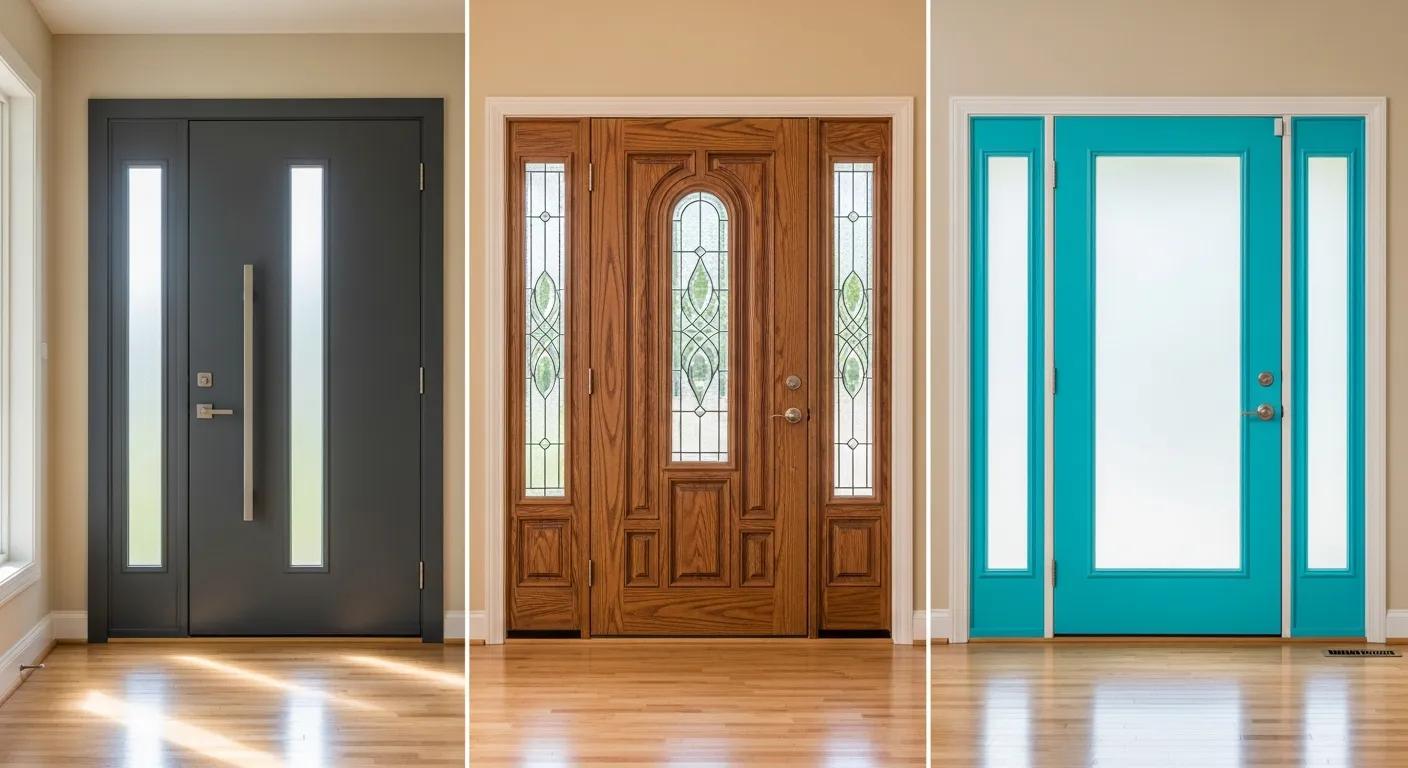
Material choice determines longevity and appearance. Fiberglass, steel, and wood are the primary options, each with clear trade-offs in maintenance, insulation, and look.
- Fiberglass Doors: Durable, resistant to warping, and good insulators; they can mimic wood finishes with minimal upkeep.
- Steel Doors: Offer strong security and impact resistance; they can be finished to suit many exteriors.
- Wood Doors: Provide classic beauty and customization but require regular sealing and maintenance.
Compare durability, maintenance needs, and aesthetic goals to choose the right material. For questions or consultations, you may contact us.
Selecting building materials for sustainable design often requires a structured, multi‑criteria evaluation to balance performance and environmental impact.
Building Material Selection Model for Sustainable Design
This paper proposes a building material selection model based on relevant assessment criteria. The model provides guidance to building designers in selecting sustainable building materials.
Multi-criteria evaluation model for the selection of sustainable materials for building projects, PO Akadiri, 2013
What Are the Benefits and Drawbacks of Wood, Fiberglass, and Steel Doors?
Each material has distinct pros and cons that affect appearance, upkeep, and life‑cycle costs.
- Wood Doors: Benefits: Rich appearance, highly customizable.Drawbacks: Requires sealing, repainting, and routine care to avoid warping.
- Fiberglass Doors: Benefits: Low maintenance, good insulation, dent resistant.Drawbacks: Higher initial cost; fewer bespoke options than wood.
- Steel Doors: Benefits: Excellent strength and security, good when insulated.Drawbacks: May rust without care; less natural appearance than wood.
Match these attributes to your priorities—appearance, maintenance ability, and security—to select a suitable material.
How Do Door Materials Affect Energy Efficiency and Security?
Material affects thermal performance and resistance to forced entry. Fiberglass and insulated steel typically offer the best balance of insulation and durability; wood can perform well if carefully sealed.
For security, reinforced steel with a strong frame often offers the highest forced‑entry resistance. Fiberglass and wood doors reach good security levels when paired with quality locks and reinforced framing.
How Can Energy Efficiency Ratings Influence Your Entry Door Choice?
Ratings provide an objective way to compare doors. Certified products and published U‑Factor values help estimate potential energy savings and comfort improvements.
These standards are part of broader efforts to improve residential energy performance and lower carbon emissions.
Residential Energy Efficiency Standards for New Homes
Increasing the energy and carbon efficiency of homes has been at the forefront of international climate change mitigation policy. In Australia, recent policy action led to the introduction of minimum energy efficiency standards for new homes within the Building Code of Australia in 2003, with subsequent stringency increases in 2006 and 2010. Although not yet reflecting international best regulatory practice, these standards represent substantial progress in addressing the energy and carbon emission impact of new homes, yet there are a number of energy policy challenges that highlight the need for further change.
Residential energy efficiency standards in Australia: where to next?, 1965
Look for ENERGY STAR certification and a low U‑Factor to ensure better insulation and lower long‑term utility costs.
What Do ENERGY STAR and U-Factor Ratings Mean for Homeowners?
ENERGY STAR and U‑Factor are standard metrics for thermal performance. ENERGY STAR indicates a product meets specific efficiency guidelines; U‑Factor measures heat transfer (lower is better).
- ENERGY STAR Ratings: Confirm that a door meets established efficiency standards.
- U‑Factor Ratings: Show how well the door resists heat flow; aim for a lower value for colder climates.
Using these ratings makes it easier to choose doors that improve comfort and reduce operating costs.
How Do Energy-Efficient Doors Contribute to Long-Term Savings?
Energy-efficient doors reduce heat loss and gain, lowering annual heating and cooling costs. Over years of use, improved thermal performance can help offset purchase and installation expenses.
Many manufacturers back energy-efficient doors with warranties that help secure long‑term value and performance.
What Security Features Should You Look for in Front Doors?
Prioritise construction and hardware that resist intrusion: multi‑point locks, reinforced frames, and proper installation are key.
- Advanced Locking Mechanisms: Deadbolts and multi‑point locks improve resistance to forced entry.
- Reinforced Materials: Reinforced frames and cores increase strength.
- Quality Installation: Professional fitting prevents gaps and weak points.
These elements combine to strengthen security while maintaining aesthetic appeal.
Which Lock Types and Reinforcements Enhance Door Security?
Locks and frame reinforcements significantly affect a door’s resistance to tampering and forced entry.
- Deadbolts: Provide greater protection than standard latch locks.
- Smart Locks: Offer convenience, remote access, and monitoring when installed securely.
- Reinforced Frames: Reduce the risk of the frame failing under attack.
Combine robust locks with reinforced framing for the best practical security gains.
How Do Smart Locks and Modern Technologies Improve Safety?
Smart locks add remote access, alerts, and integration with home security systems, improving access control and situational awareness.
- Remote Access: Lock/unlock from a smartphone for convenience and oversight.
- Monitoring Features: Alerts and logs show entries and exits.
- Security Integration: Works with alarms and cameras for a unified system.
When installed and configured correctly, these technologies increase control without compromising core physical security.
Recent studies show smart locks introduce advanced digital authentication and remote management capabilities that change residential access control.
Smart Locks: Enhancing Home Security & Convenience
The integration of smart locks into the fabric of smart homes represents a groundbreaking advancement, reshaping the dynamics of security and convenience. These intelligent locks have surpassed traditional mechanisms, ushering in an era where digital authentication and advanced features redefine how individuals secure and engage with their living spaces. Smart locks empower homeowners with unparalleled control and accessibility, eliminating the need for physical keys and introducing heightened security through encryption and biometric identification.
The usage of smart locks in smart home, R Wolniak, 2024
What Are the Typical Costs and Steps Involved in Entry Door Installation?
Costs depend on material, style, and complexity; typical total ranges are roughly $500–$2,500. Simpler replacements are at the low end; custom doors and structural work raise cost.
A standard installation sequence ensures a proper fit and finish:
- Measurement: Accurate sizing for the new unit.
- Removal of Old Door: Existing door and frame are removed as needed.
- Installation of New Door: Proper leveling, anchoring, and sealing.
- Finishing Touches: Weather stripping, trim, and adjustments.
Knowing these steps helps plan budgets and timelines.
How Is Professional Installation Conducted for Optimal Performance?
Certified installers assess the opening, prepare the frame, install the door precisely, and inspect function and sealing to avoid air leakage and security gaps.
- Assessment: Inspect entryway and recommend options.
- Preparation: Repair or prep frame as needed.
- Installation: Fit, level, and fasten the door.
- Final Inspection: Verify operation, seals, and hardware.
Professional installation reduces the chance of performance or security problems over time.
What Factors Influence Installation Pricing and Warranty Options?
Price is shaped by material choice, installation complexity, and the warranty terms offered. Custom sizes and finishes increase labour and material costs.
- Material Choice: Wood, steel, and fiberglass differ in unit cost.
- Labor Costs: Complexity, carpentry, and frame work affect labour.
- Warranty Options: Longer or broader warranties add value but may cost more.
Understanding these variables helps homeowners compare quotes and choose an installer that offers clear value. For reliable and professional door installation , consider experienced providers.
Frequently Asked Questions
What is the average lifespan of different door materials?
Lifespan depends on material and care. Fiberglass and steel doors commonly last two to three decades with proper maintenance; wood doors typically last 15–20 years unless diligently maintained.
How can I improve the energy efficiency of my existing door?
Seal gaps with weather stripping, add door sweeps, use a storm door for an extra layer, and renew finishes to protect and improve insulation.
What are the best practices for maintaining a wooden door?
Inspect and clean regularly, repair cracks or flaking finish promptly, and reapply paint or sealant every few years. Service hardware and lubricate hinges as needed.
Are there eco-friendly options for entry doors?
Look for reclaimed or certified sustainable wood, fiberglass with recycled content, and low‑VOC finishes. High‑performance doors also reduce lifetime energy use.
What should I consider when choosing a door color?
Pick a color that complements your home’s exterior and local context. Consider heat absorption in warm climates and any HOA guidelines before finalising.
How do I choose the right door style for my home?
Match the door style to your home’s architecture and functional needs—traditional homes suit panel or French doors; contemporary homes often favour minimalist designs. Consider how trim and windows interact with the door.
Conclusion
A thoughtful entry door choice balances appearance, insulation, and security. Evaluate materials, ratings, and installation quality to find a durable, attractive solution that suits your home and budget. Contact professionals to review options and schedule installation.